



The sentiment and general outlook are pessimistic about the availability of funding for civic science work.

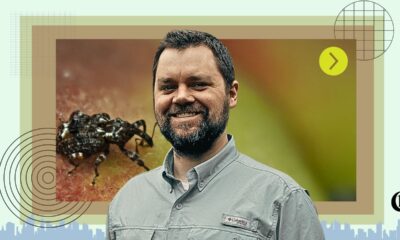

On this “Consider This Next” Halloween special from the CSML Audio Studio, Kacie speaks with Dr. Brett Blaauw, a peach entomologist at the University of Georgia. Blaauw...

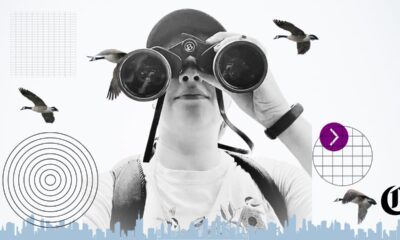

Cliff Cook: "One day, a bird just captures your attention in a way that it has never captured your attention before. And that gets you interested...



In this episode of CivicSciTV’s Local Perspectives Program, I sat down with Manuela Zamora, the executive director of NY Sun Works, a nonprofit that has introduced more...
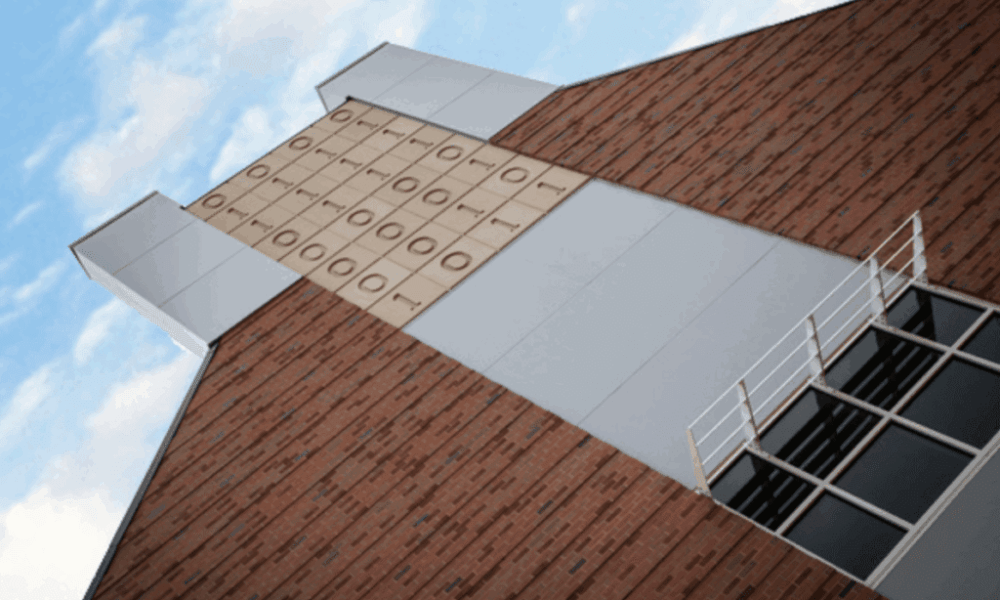

This paper introduces the concept of math trails — guided walks designed to engage students in actively observing and reasoning about mathematical concepts in everyday life.

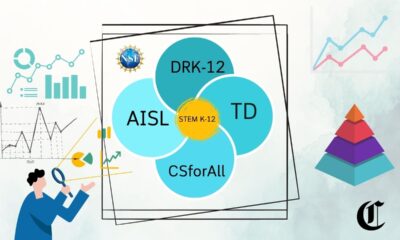

What’s new: The National Science Foundation has archived its long-running Advancing Informal STEM Learning (AISL) program, which was a major source of funding for informal science, science communication, citizen...



On this “Consider This Next” audio program episode, Kacie speaks with Baltimore’s Quandra Gray, founder of What the Sprout, about bridging academic agricultural knowledge with practical...



What would it take for research universities and institutions to treat public engagement as central to research rather than an afterthought? That was the challenge posed...
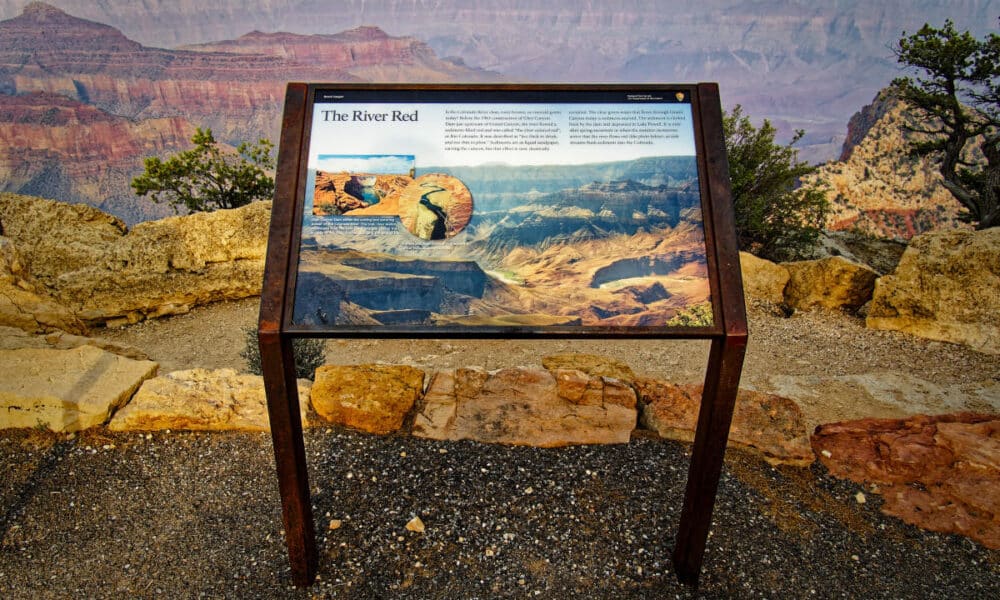

This paper presents the first known study that analyzed the language content of interpretive signs of U.S. national parks. It has identified, among other takeaways, an...



Launched just two years ago, the initiative has gained momentum rapidly.


Designed with WordPress