CSML audio program
A deep dive into participatory science.
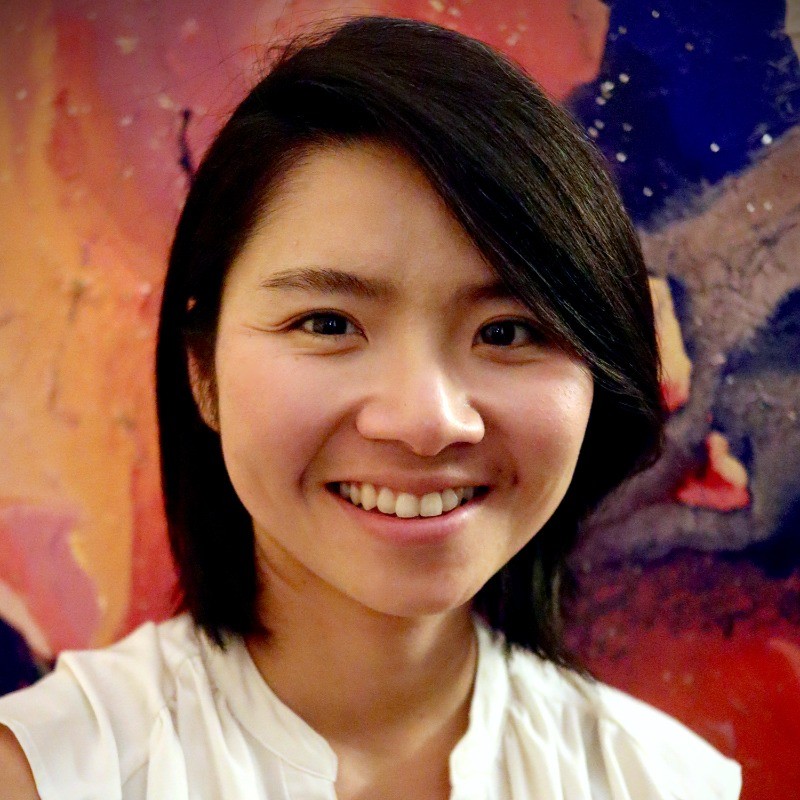
Hosted by Dr. Kristel Tjandra, Science Engaged explores why and how scientists partner with diverse communities across participatory science projects.
01 /
CSML audio program
Hosted by Dr. Kristel Tjandra, Science Engaged explores why and how scientists partner with diverse communities across participatory science projects.
What makes collaboration matter to science and society.
The knowledge, relationships, tools, and action that emerge.
Practical lessons for rigorous and reciprocal partnerships.
โถ
45 views
Jun 10, 2026
โถ
28 views
Apr 17, 2026
โถ
614 views
Apr 4, 2026
โถ
298 views
Mar 18, 2026
โถ
1.7K views
Mar 4, 2026
โถ
1.5K views
Feb 18, 2026
โถ
631 views
Feb 11, 2026
โถ
421 views
Feb 5, 2026
8 Season 1 episodes ยท newest first
first episode released
Source: YouTube Analytics, 2026average episode length
Source: YouTube Analytics, 2026total watch time (from 4,400 views)
Source: YouTube Analytics, Q1 2026The series looks beyond the project description to understand the choices, outcomes, and practices behind community-partnered science.
Why does public participation matter for the science, the community, and the challenge at hand?
What knowledge, relationships, infrastructure, or action can collaboration make possible?
What practices help partnerships remain rigorous, accessible, reciprocal, and sustainable?
Ideas and lessons from scientists and practitioners building participatory work.
โScience is something that we do together. Itโs not us as scientists and them as non-scientists.โโ Benjamin Richards
โOne of those big challenges has been a misconception within the scientific community that citizen science data is just no good.โโ Haley Davis
โThe value that the public places on science kind of depends upon how they view science and scientists.โโ Grace Wolf-Chase
โOur communities are the most valuable renewable resources for a healthy planet.โโ Dr. Abby C. King
โItโs worth thinking about: Why do I want to build awareness? What do I think would be different in the world?โโ John Besley
โWeโre now producing data on about 300,000 species a year.โโ Scott Loarie
Search the Science Engaged archive by guest, organization, place, or idea.
SE / 07Melissa Anderson, Alexander Wilkins, and Timothy Riker discuss accessible communication, trust, and centering Deaf community priorities.
SE / 06Benjamin Richards explains how OceanEYEs works with thousands of volunteers to monitor deep-water fish in the Pacific.
SE / 05The iNaturalist executive director describes how participation, AI, and scientific rigor can scale biodiversity conservation.
SE / 04The Our Voice founder shares how residents collect local evidence and work with decision-makers.
SE / 03The Milky Way Project co-creator reflects on participatory astronomy, relationships, evaluation, and funding.
SE / 02SeaKeepersโ data scientist explains how private vessels support expeditions and ocean-floor mapping.
SE / 01The science communication scholar offers a strategic framework for awareness, relationships, and trust.
No conversations match that search. Try a guest, organization, project, or topic.
Open the complete Science Engaged archive โScience Engaged is made possible through support for reporting and conversations about participatory science.
Designed with WordPress