
01 /
Independent nonprofit collective
About the lab
The Civic Science Media Lab (CSML) is an independent nonprofit civic science solutions journalism collective documenting the people, organizations, projects, ideas, and lived experiences shaping the diverse practices at the intersection of science and society. In other words, we are archiving stories of impact across areas within civic science.
We document and analyze diverse civic science practices to inform, educate, and inspire.
The people, projects, ideas, organizations, and lived experiences shaping the field.
Make civic science more visible and useful to current and next-generation practitioners and broader publics.
02 /
Lab timeline.
Our history goes back to 2010.
First National Science Foundation grant
The lab receives its first NSF grant, awarded under the NSF 25-545 program.
Rita Allen Foundation grant award
The lab receives its first grant from the Rita Allen Foundation.
Northeastern University affiliation
The lab is invited to join as an affiliate with the College of Arts, Media and Design at Northeastern University.
Lab awarded grant to support the internship program
A $35,000 ASCB Public Engagement grant supports development of the CSML Internship Program.
IRS nonprofit status
The organization receives 501(c)(3) nonprofit status.
The journey begins
Fanuel Muindi the Run4Education initiative at Stanford University to raise funds for schools in East Palo Alto.
03 /
We make civic science visible across formats
CSML produces original reporting across video, audio, photography, and digital publishing.
Video
Interviews, briefings, explainers, and field-facing conversations with people shaping civic science practice.
02 / LISTENAudio
Long-form conversations and portable reflections that surface ideas, tensions, and lessons from the field.
03 / SEEPhotography
Photojournalism that documents people, spaces, programs, and civic science work as it happens.
04 / READDigital publishing
Reporting, research digests, essays, interviews, field notes, and analysis for practitioners and scholars.
04 / Why it matters
Civic science is rapidly growing, but much of it remains below the surface.
Work at the intersection of science and society is often siloed and scattered across programs, funders, universities, museums, community groups, policy spaces, and independent initiatives.
Our role is to document this work as it unfolds in practice, surfacing lessons that can inform others across the landscape.
To learn how this work has evolved over time, explore our lab history and updates.
Learn about our history05 /
We combine interviews, analysis, and mapping to track civic science
Interviews
We interview 100+ practitioners, scholars, funders, entrepreneurs, educators, and community leaders each year to understand their civic science work in context.
Synthesis
We triangulate interviews with publicly available information to surface patterns, tensions, and emerging directions across civic science.
Archiving
We map and archive organizations, grants, training programs, publications, and emerging initiatives to make the field easier to navigate.
How our model works
Our model starts at the center: solutions journalism generates insights that inform new ideas, with guidance from our wider community.
Independent Resident Practitioners, Scholars, and Community Organization Leaders
At-large advisors to journalists and mentors to incubator fellows. By invite only.
Explore residentsIncubator
Helping early-stage entrepreneurs develop and launch brand new ideas informed by our reporting.
Explore incubator fellowsSolutions Journalism Collective
Examining ongoing work and emerging solutions to discover actionable insights. Members can tap into the lab fund to support their work and use the lab’s infrastructure to apply for external funding.
Explore the collective TrainingInterns from different universities join us each year to work on independent projects under the guidance of our solutions journalists.
Explore interns06 / What we cover
We use civic science as a connective term for diverse practices at the intersection of science and society.
Scaffolding for Learning and Impact
The solutions journalism we practice aligns closely with the Rita Allen Foundation pillar by adding a layer of translation between scholars, practitioners, and community leaders. Learn more.
UN Sustainable Development Goal 17
Our work fosters stronger partnerships, knowledge sharing, and cross-sector collaboration by making civic science insights more accessible and actionable. Learn more.
07 /
Example use cases of our work
Our foundational coverage supports the civic science ecosystem in practical ways—from classrooms and newsrooms to research, funding, and program design.
Educators at high schools, colleges, and universities can integrate our ongoing coverage into curricula to strengthen civic science literacy. Media outlets can incorporate insights from our engagements with diverse stakeholders into their journalism.
Researchers and practitioners can follow emerging developments and collaborations, while decision-makers across universities, philanthropy, business, government, and nonprofits can use the coverage to guide strategy and investment.
Education
Use CSML reporting in courses, workshops, seminars, and training programs.
Journalism
Draw on field insights, interviews, and case studies to strengthen coverage.
Research & practice
Track emerging ideas, methods, programs, and collaborations.
Decision-making
Inform strategy, funding priorities, partnerships, and program design.
08 / Articles, books & reports
Publications enabled by our work
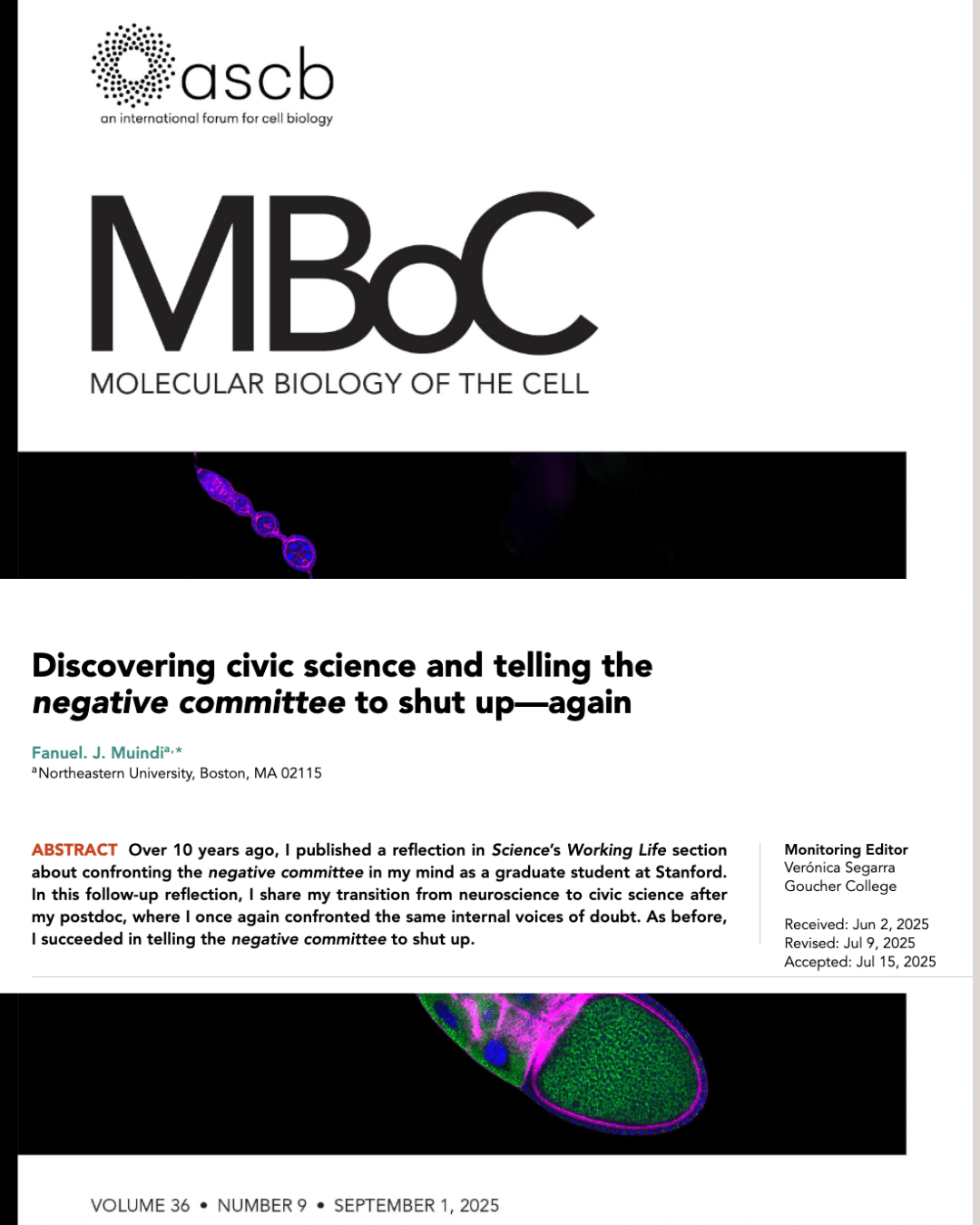 Discovering civic science and telling the negative committee to shut up again
 The case for a global fund for science education
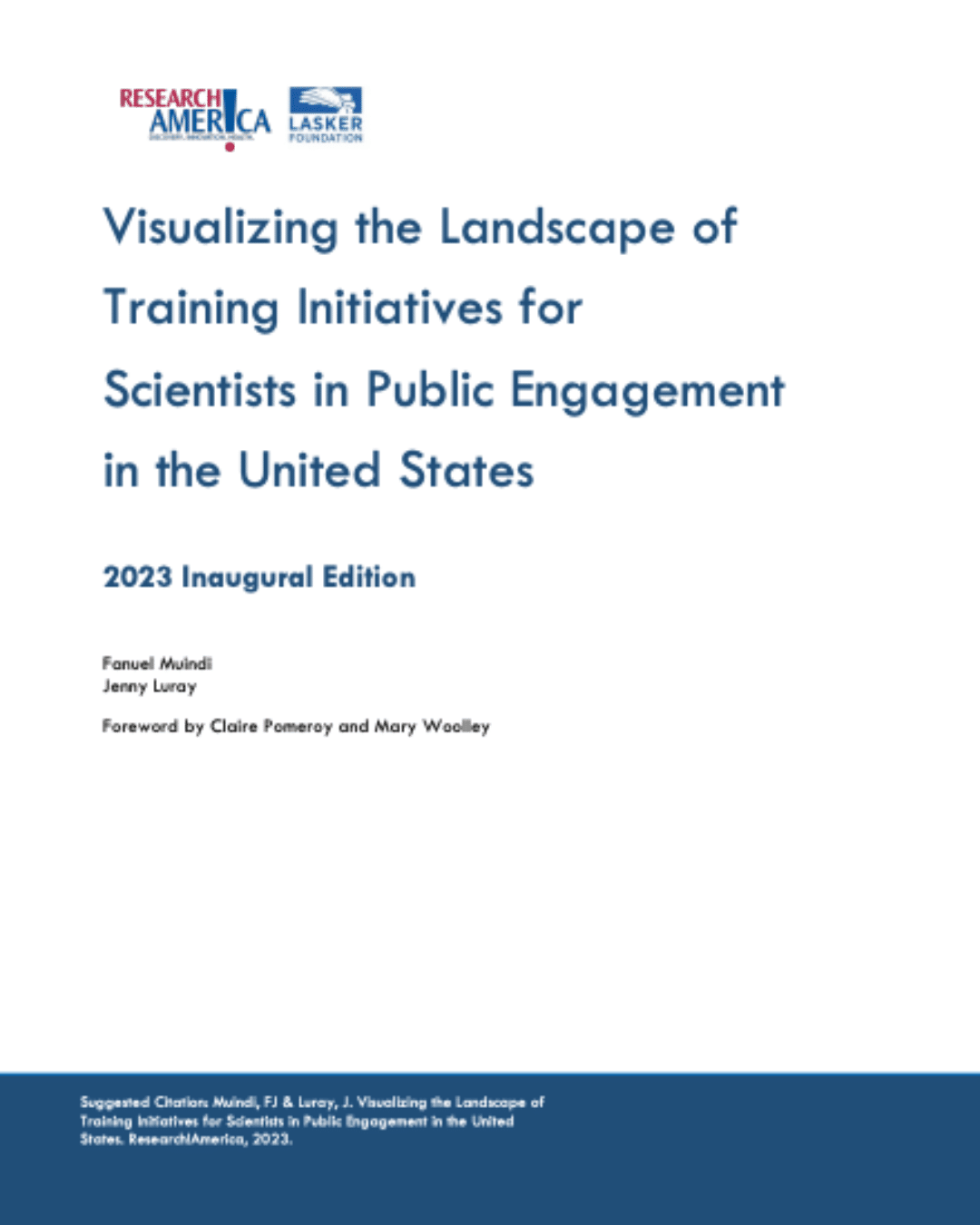 Visualizing the Landscape of Training Initiatives for Scientists in Public Engagement
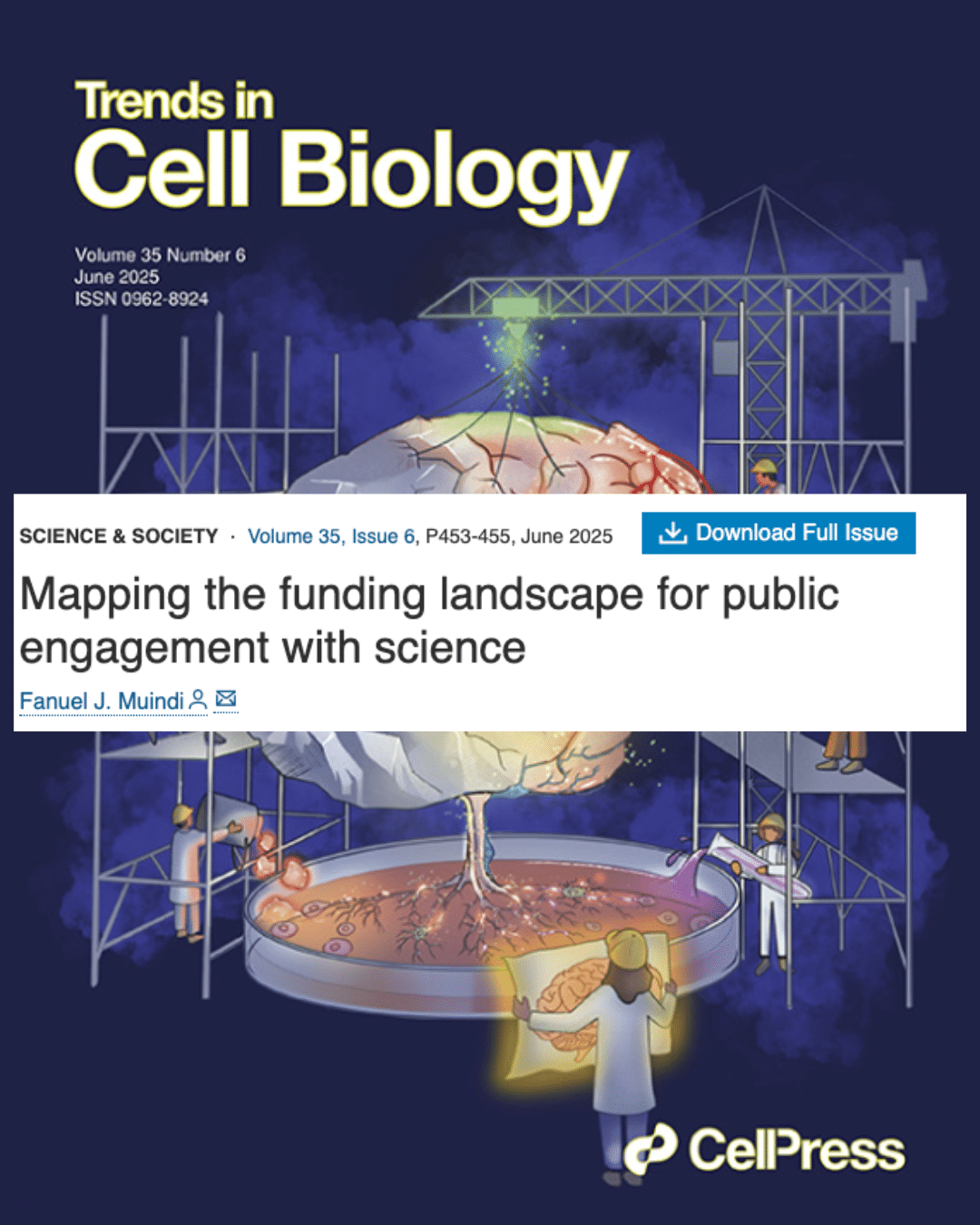 Mapping the funding landscape for public engagement with science
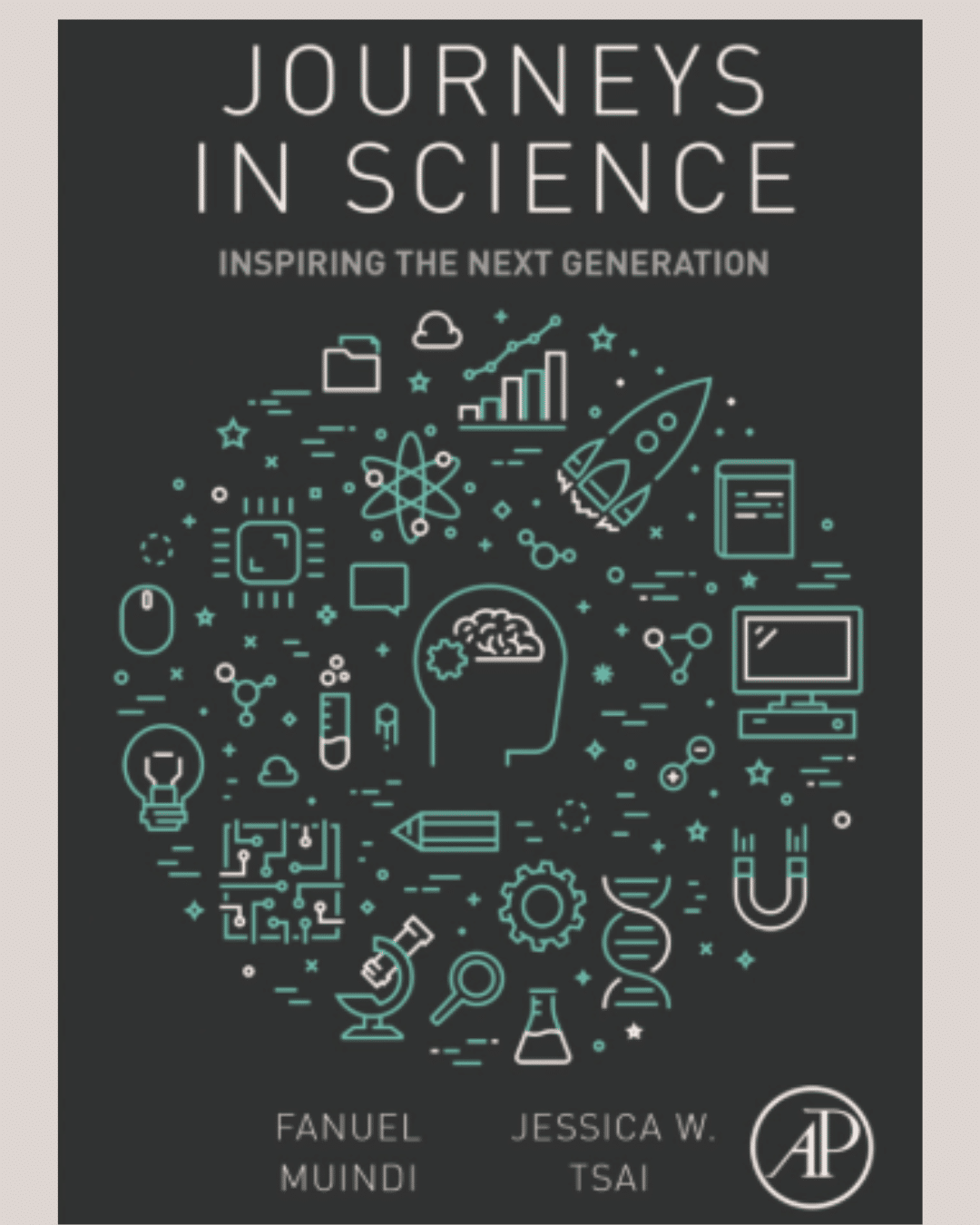 Journeys in Science: Inspiring the Next Generation
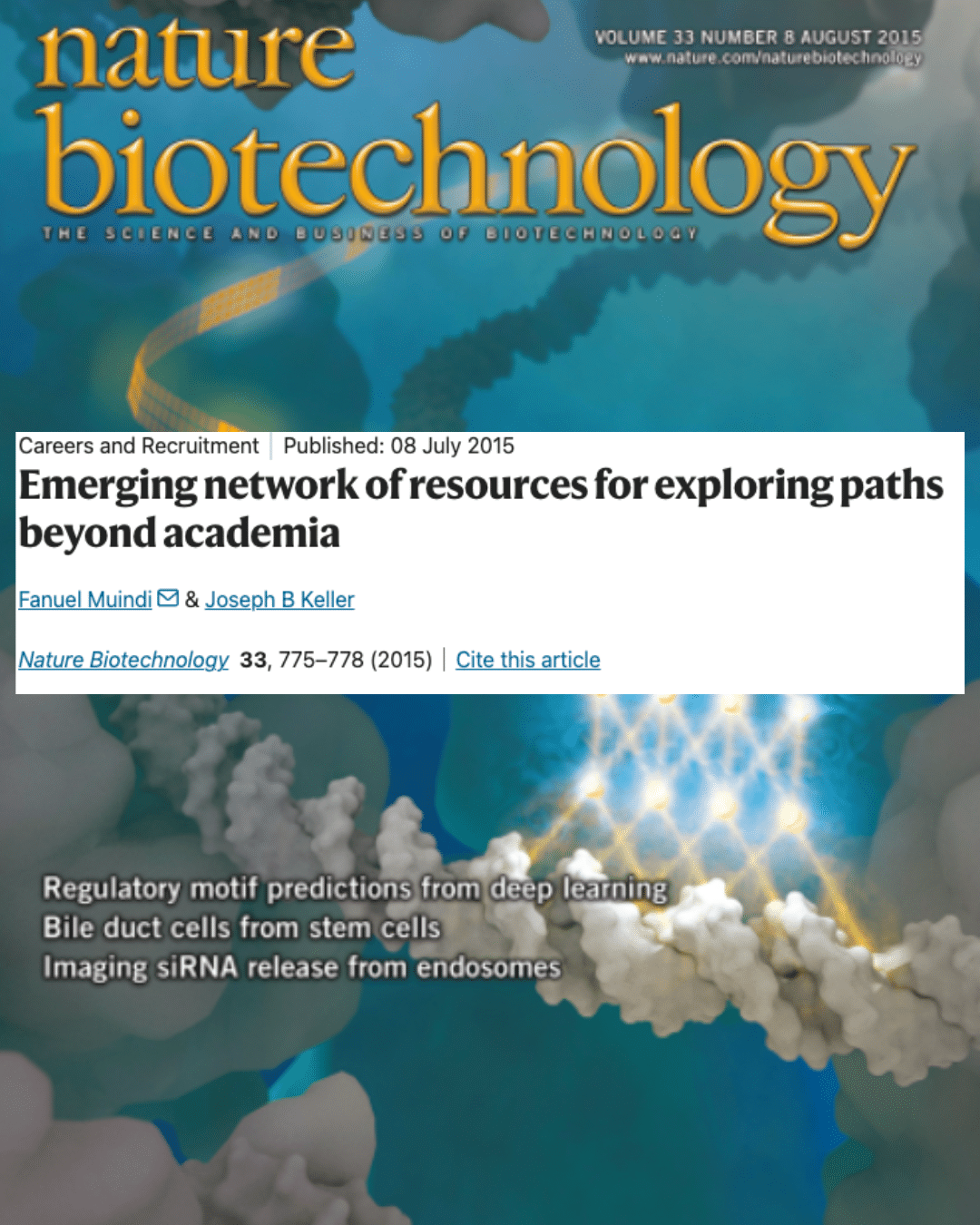 Emerging network of resources for exploring paths beyond academia
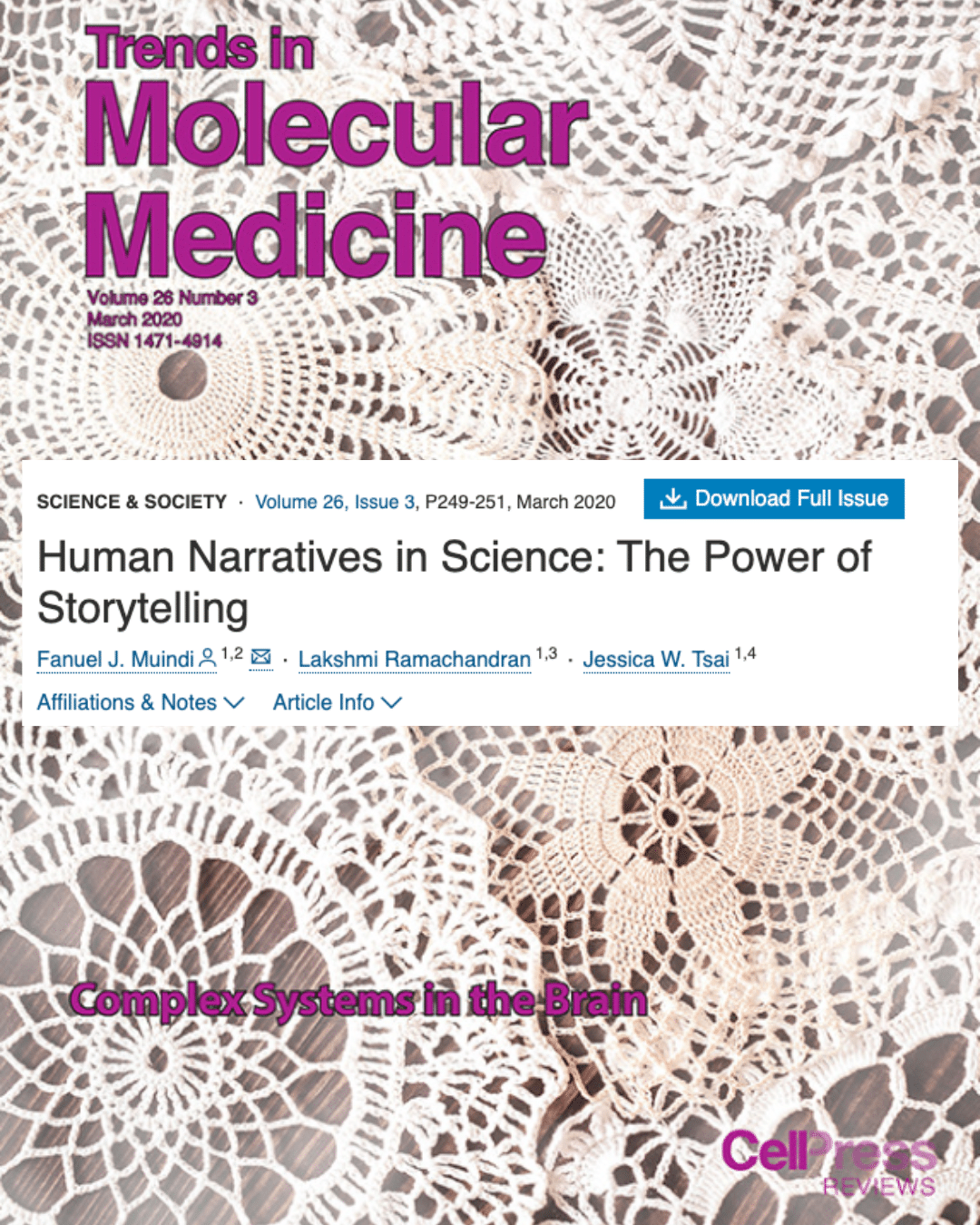 Human narratives in science: The power of storytelling
View all publications→
Human narratives in science: The power of storytelling
View all publications→
09 / Who we serve
Built for diverse audiences at the intersection of science and society
Our work is for those trying to understand, build, fund, study, evaluate, teach, and engage with civic science solutions.