
Civic Science Observer
How Georgia Tech’s Institute for Neuroscience, Neurotechnology, and Society is integrating lived experience into research and education
“Engaging multi-perspective groups in neurotechnology discovery, innovation, and research fosters ethical problem solving, epistemic justice, governance implementation… and cultural sensitivity and reflexivity.” — Karen Rommelfanger

As neurotechnology continues to advance, researchers are increasingly confronting questions that extend beyond engineering and neuroscience laboratories. Who gets to shape these technologies? How should researchers engage communities affected by neurological conditions? And what forms of expertise should guide innovation in the field?
At the Georgia Institute of Technology, researchers affiliated with the newly launched Institute for Neuroscience, Neurotechnology, and Society (INNS) are working to build a research environment that places those questions at the center of neurotechnology development.
Launched in July 2025, the institute brings together researchers across neuroscience, engineering, social sciences, humanities, and neuroethics to, among many goals, examine how neurotechnology research can incorporate broader societal perspectives alongside scientific and technical innovation.
“Neuroscience and neurotechnology research touch on nearly every aspect of our lives, and it’s critical that we understand the societal impact of these advances. That includes engagement with the public as we wrestle with the unique ethical issues that arise in research related to the brain, as well as deep engagement with those having lived experience with neurologic disorders,” said Christopher Rozell, Executive Director of the INNS.
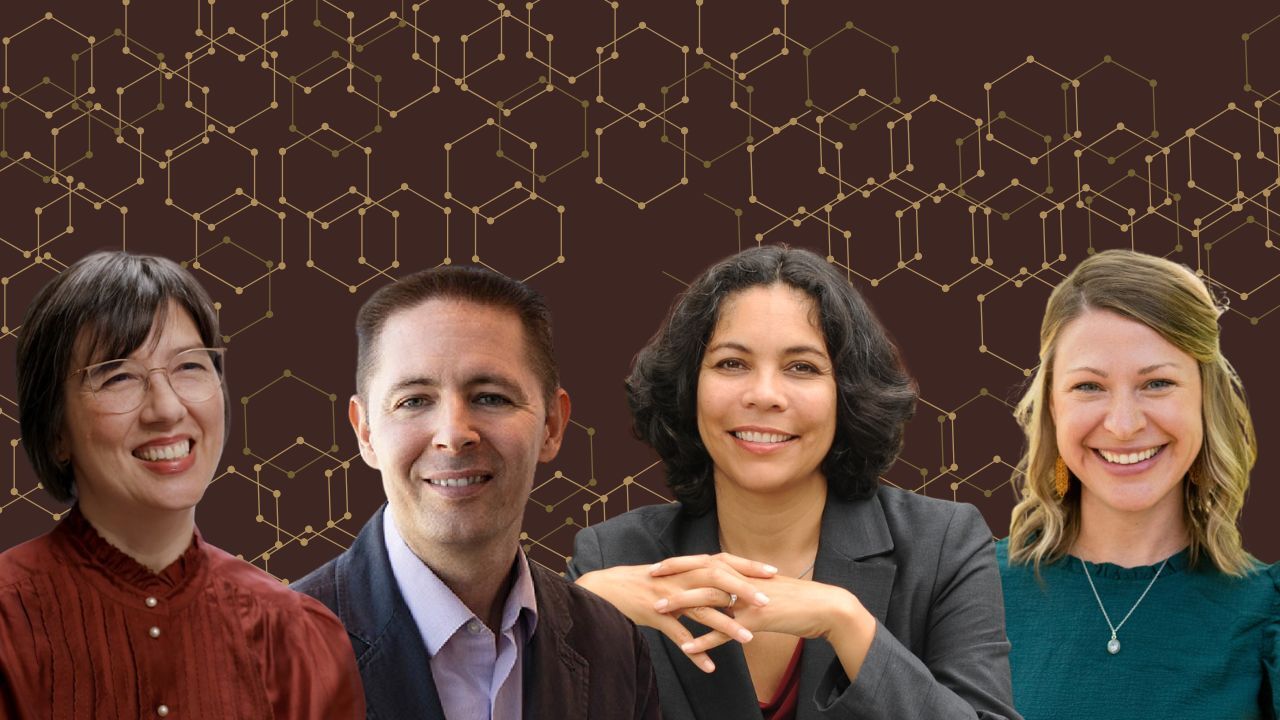
Among the researchers helping shape the institute are Kinsey Herrin, Principal Research Scientist in the School of Mechanical Engineering and Director of the Human Interface Design Development and Engineering (HIDDEn) Lab; Jennifer Singh, Associate Professor and Associate Chair in the School of History and Sociology; and Karen Rommelfanger, Professor of Practice and founder of the Institute of Neuroethics Think and Do Tank.
A central focus of the institute is creating structures that bring lived experience perspectives into neurotechnology research, education, and innovation processes.
Rommelfanger described the institute’s approach through four pillars that guide its work: “[Catalyze] innovative, collaborative research across different disciplines; [advance] unique educational programs (among university students and professionals in the field); [empower] society and [fuel] impact… through creative public engagement opportunities; [and foster] broader community dialogue.”
For Herrin, integrating lived experience perspectives into research is not simply an ethical consideration but a necessary part of building useful technologies. Through her work in the Human Augmentation Core (HAC) Lab, which focuses on assistive and rehabilitation technologies, Herrin works closely with individuals living with mobility challenges.
“Nothing about us, without us,” Herrin told Civic Science Observer.
Herrin states that academic research environments emphasize disciplinary expertise but often miss the experiential knowledge from people directly affected by the technologies being developed.
“In academia, we talk a lot about multi-disciplinary (research), and that’s great… but (we need more) more multi-perspective (research),” Herrin said. “This insight that you get from the lived-experience is just as valuable as (the insight from) someone with formal training.”
Part of the institute’s effort to operationalize that idea is the development of what researchers call the Lived Experience Advancing Discovery (LEAD) group, a network of individuals living with neurological conditions who would participate across research, education, and industry-facing initiatives.
Researchers involved with the initiative envision LEAD contributing throughout the research process, including helping shape research questions, advising on study design, and participating in broader dissemination and engagement efforts.
For Singh, the LEAD initiative reflects a broader effort to reconsider how science and technology research engages the communities most affected by its outcomes.
The institute, she continued, aims “to really think critically about how we can engage people who have the most to gain or be at risk for research in science and technology.”
Rommelfanger’s work in neuroethics has similarly focused on the role that broader engagement can play in identifying ethical and societal concerns that may otherwise remain overlooked within technical research environments.
“Engagement can help surface, articulate and pull apart the types of ethical concerns … that we might miss if we only have a limited world-view,” Rommelfanger emphasized.
She added that engaging multiple perspectives in neurotechnology research can foster “ethical problem solving, epistemic justice, governance implementation… and cultural sensitivity and reflexivity, [allowing for] society, broadly, and innovators, specifically, to have more empowering neurotechnology.”
The institute is also expanding these ideas into educational settings. Singh said integrating lived experience perspectives into teaching can help students understand expertise beyond traditional academic frameworks.
“Lived experience is a form of knowledge and expertise that needs to be valued and heard,” Singh articulated.
In her sociology courses, Singh incorporates firsthand accounts from individuals living with neurological and health conditions alongside traditional course materials. In one class, students moderated panels featuring individuals living with autism and stroke before producing mini-documentaries centered on lived experience narratives related to brain conditions.
As the institute continues to develop, researchers involved with the effort see the work as part of a larger shift in how neuroscience and neurotechnology research may increasingly engage questions of ethics, lived experience, and public participation alongside scientific innovation itself.
 +
Add CSML on Google
+
Add CSML on Google

Bernadette Weigman is a neuroscience and society reporter for The Civic Science Observer. She covers the civic dimensions of neuroscience, including its intersections with education, public engagement, and the broader societal implications of brain science. She engages with scholars and practitioners to learn about their public engagement work and how they navigate the ethical, cultural, and institutional challenges of bringing neuroscience into public life.







Lessons learned from Small Town Universe: A post-screening conversation with Katie Dellamaggiore

Exploring workforce needs and intergenerational learning in informal STEM education

Making a Mini-Forest: participatory science afforestation across the globe

“We want to infuse them with the spirit:” Earthwise Aware’s unique approach to community building and collaboration in participatory science
Charlotte Vaughn says research debriefings are an overlooked public engagement opportunity
Exploring workforce needs and intergenerational learning in informal STEM education
Making a Mini-Forest: participatory science afforestation across the globe
Lessons learned from Small Town Universe: A post-screening conversation with Katie Dellamaggiore
Exploring workforce needs and intergenerational learning in informal STEM education
Making a Mini-Forest: participatory science afforestation across the globe

18 months later, Casey Lardner from Genspace says, “we’ve been really focused on building systems”

Lessons learned from OBSERVER: A post-screening conversation with Sarah Goodwin

What it takes to include Deaf voices in scientific research
Contact
Menu
Designed with WordPress