
CSML Newsroom
SciCommers at the Museum of Science’s 2026 SciCom Summit in Boston share what drives their work

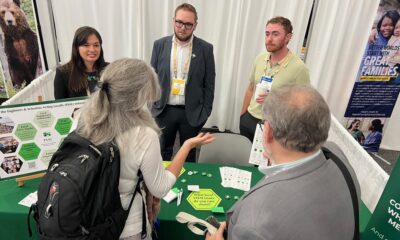
At the Museum of Science’s inaugural SciCom Summit in Boston this month, science communicators gathered to discuss effective, evidence-based ways to engage audiences with science.
Amid those conversations, one question stood out for me: How do science communicators define their goals? For this Did You Know episode, I compile the some of the answers to that question from several attendees. Here’s what they told me.
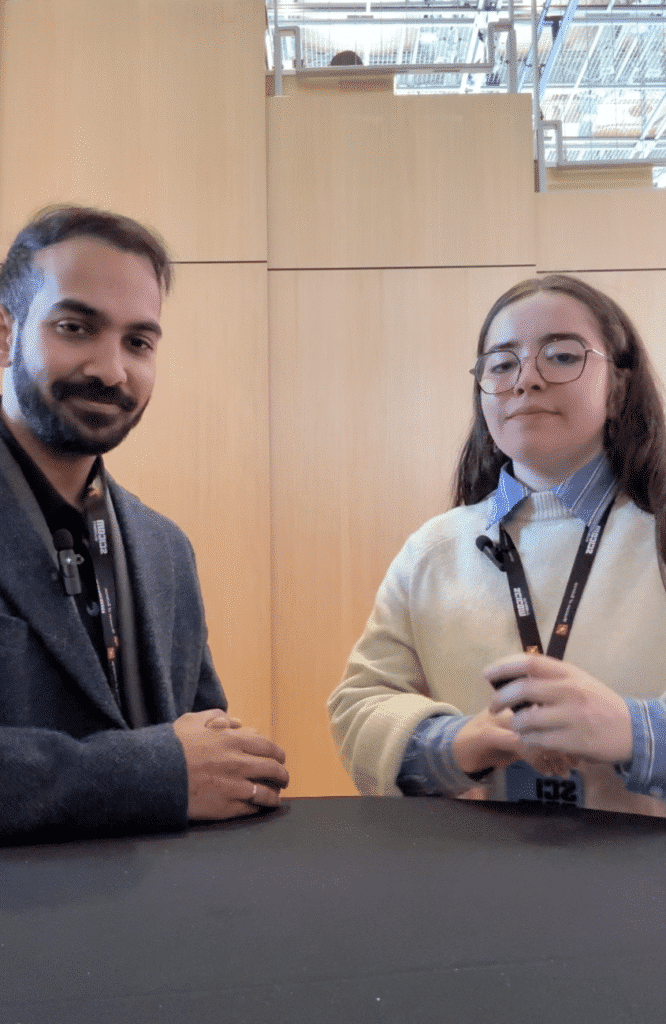
Devjoy Dev: “I propagate two different types of projects. One is space biotech content, or anything related to space medicine. And the other thing is my personal project. It involves a journal that I’ve been giving to passengers on planes for the last 10 years. And they write their stories, and that’s passengers, pilots, cabin crew. And it’s those very personal travel stories, what they’re going through, how they’re dealing with their sleep, things like that, on planes.
So that’s like a whole project called Humans of the Sky that I’m also propagating.
…
There are so many things that are happening in the space industry right now… So I’m just trying to resolve questions that people may have, let them know that this exists. And these are the sort of things that we’re solving, that we’re doing right now, and my own research as well. And the Humans of the Sky project, that’s just about trying to tap into this aspect that handwritten stories are still a thing.”
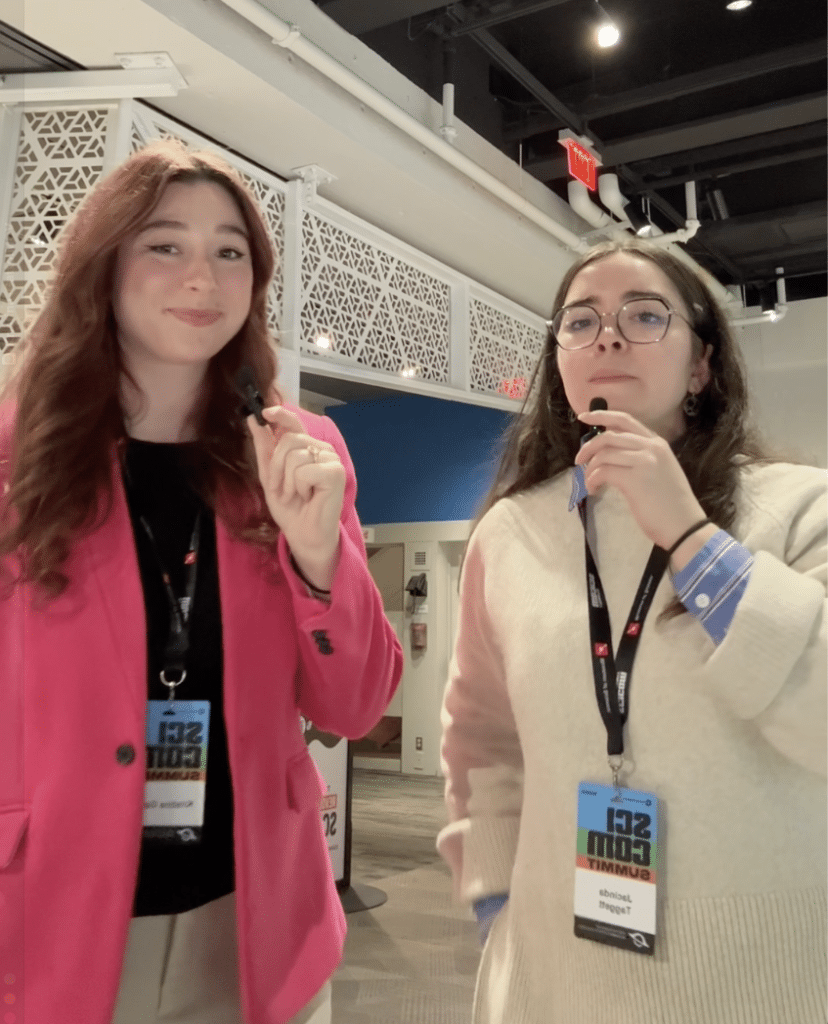
Kristina Gatto: “I specialize in astronomy science communication and instead of astronomy focused content, I focus more so on getting into the field of astronomy. So resources and opportunities and avenues and just navigating the field in general. And I feel like that was an issue for me personally. So I knew that if I had that at like age 17 it would be such a helpful resource so I wanted to give that resource to people that are now in the shoes that I once was.”
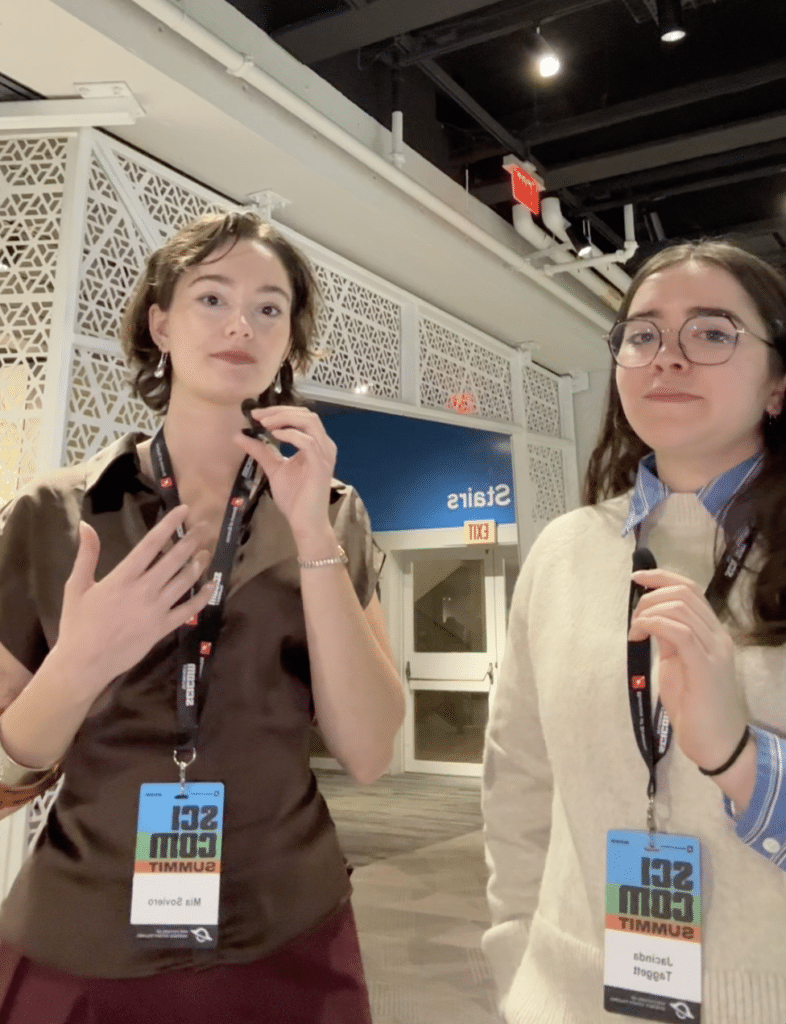
Mia Soviero: “I have my own science communication channel where I kind of share representative content about what it’s like to be a woman in science, a neurodivergent woman in science, but beyond that I also have a nonprofit called Research Girl and our whole ethos is about getting underrepresented students research opportunities and making sure that the people who are doing the science are representative and reflective of the people who can benefit from the science, which I think is something that we’re really working towards. At least everyone that I’m aware of, it’s like really working toward that goal. And so the problem we’re trying to solve is getting more resources for those populations.”
Does listening to these areas of science communication–particularly about accessibility of science– encourage you to see what resources are available to you?
Did you know about these science communicators? Well, now you know.
What follow-on action(s) did you take based on the insights above?


Jacinda is a neuroscience-trained science writer and journalist, editor-in-chief of a science publication and founder of a neuroscience platform with 1,000+ monthly readers. She is currently working toward a Master of Science in science communication at Stony Brook University.



SciCommers at the Museum of Science’s 2026 SciCom Summit in Boston share what drives their work

Photo Essay: A guided tour of DC’s historic National Academy of Sciences Building with Dorothy Goldsmith

Illinois State experiments with workshops to help STEM faculty explore the civic nature of their disciplines

Did You Know: Rice University has launched a new center for science communication called SCOPE?

How Canadian early-career researchers organized to improve funding for future scientists
How Canadian early-career researchers organized to improve funding for future scientists

Photo Essay: Junior Scientists at Harlem BioBus celebrate a year of discovery
Illinois State experiments with workshops to help STEM faculty explore the civic nature of their disciplines
SciCommers at the Museum of Science’s 2026 SciCom Summit in Boston share what drives their work
Did You Know: Rice University has launched a new center for science communication called SCOPE?

Did You Know: Boston’s Museum of Science is opening a Public Science Common? Here are some questions to consider

Did You Know: A museum dedicated to the brain is being developed in Southern California?

STEM Unbarred: What the initiative is learning about hands-on science for incarcerated youth

Exploring workforce needs and intergenerational learning in informal STEM education

Making a Mini-Forest: participatory science afforestation across the globe
Contact
Menu
Designed with WordPress