
Civic Science Observer
Questions, biology-based environmental stewardship, and accessibility are at the center of Bio4Climate’s annual conferences
“It felt very important for us to expand on it and continue this role and bringing people together to exchange best practices, knowledge and [build] community and connection.” Alexandra Ionescu
Biodiversity for a Livable Climate, a Boston-based nonprofit, receives more questions about miniforests than they can handle.
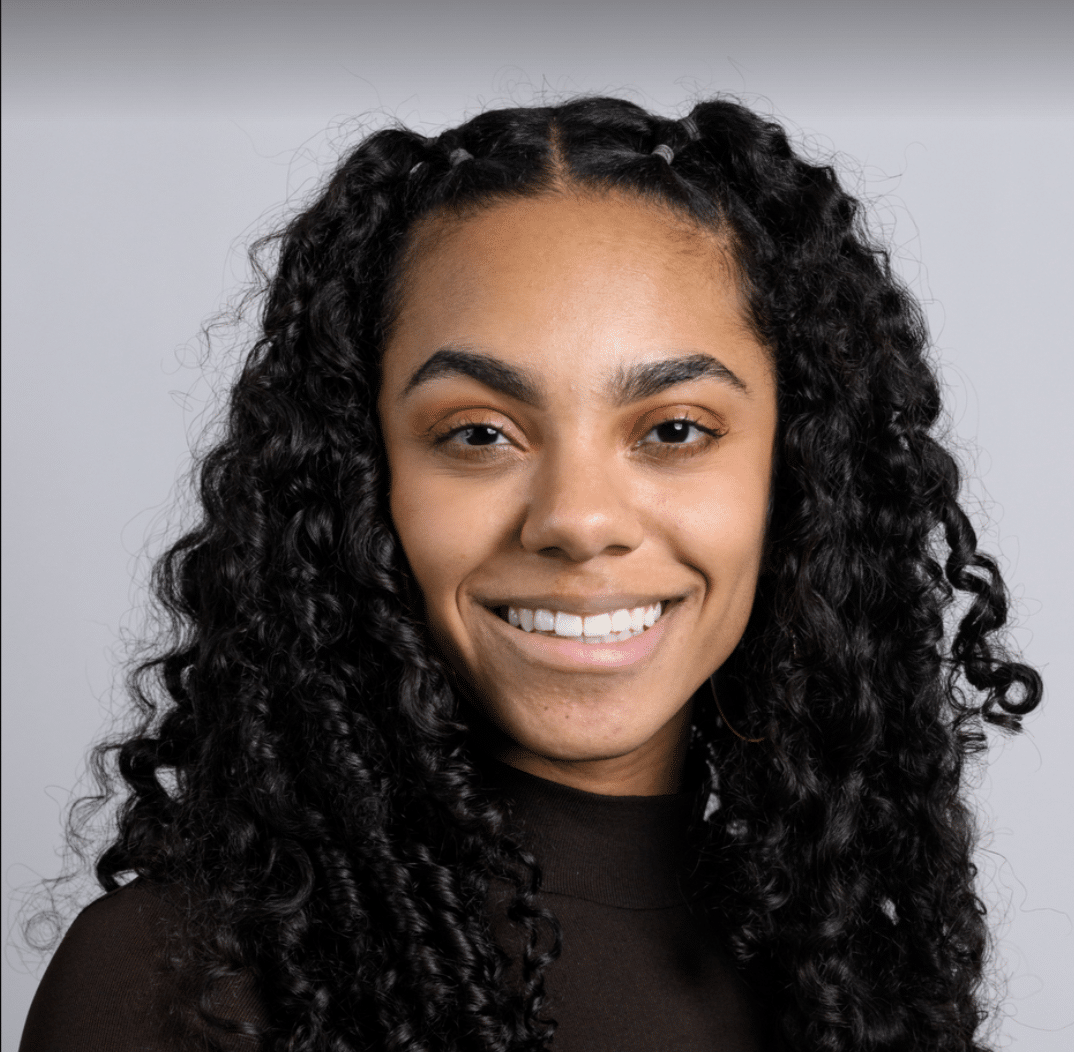
“You know, as a small non-profit, we get flooded with a lot of questions, like, nitty-gritty,” said Alexandra Ionescu, the Associate Director of Regenerative Projects at Biodiversity for a Livable Climate. “’How do we do this? How do we do that? Can you tell us more about this?’”
The solution? Accessible conferences to provide answers to community members, everyone from climate advocates, practitioners, farmers, social scientists, researchers, policymakers and artists to the publics.
Cofounded in 2013 by Adam David Sacks and Jim Laurie, Biodiversity for a Livable Climate (Bio4Climate) began as living room lessons on ecology and environmental stewardship before expanding to yearly conferences with the sole purpose of supporting planetary regeneration using research, education, collaboration and action. They host lectures, online classes, research compendiums, and more.
“It started in a kind of like a living room where, this group of people wanted to bring back biology into climate change conversations,” said Ionescu, referring to Bio4Climate’s inception.
In 2014, they hosted their first conference, “Restoring Ecosystems to Reverse Global Warming,” at Tufts University. The speakers included experts in regenerative agriculture, soil health, eco-restoration and sustainable land-use.
“Restoring Ecosystems to Reverse Global Warming” cost just $10 for high school students, and $150 maximum, thanks to a team of sponsors.
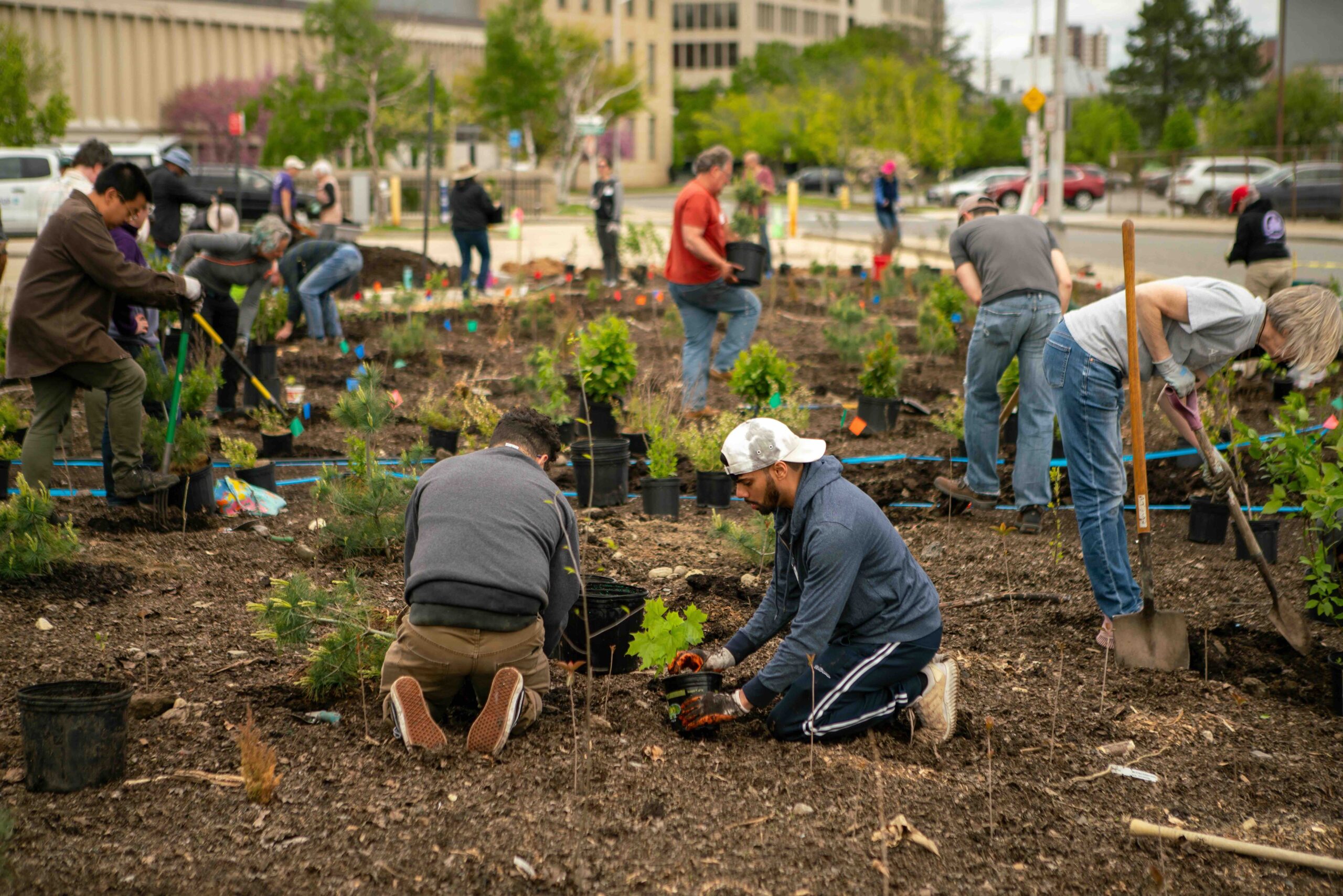
Seven years later, in 2021, Bio4Climate began the Miyawaki Forest Program, also known as “miniforests.”
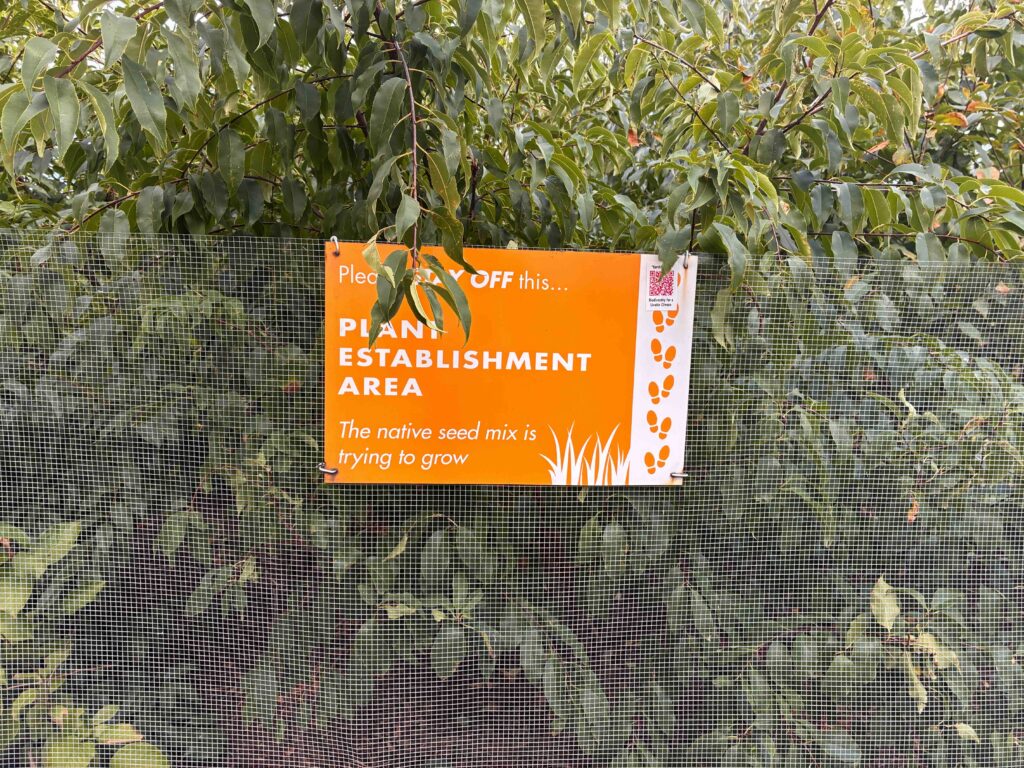
The Miyawaki Method, begun by Akira Miyawaki, addresses reforestation by planting diverse native species in plots of land to initiate a new miniforest. Miyawaki forests are dense and modeled after native forests. They are also unique to any given region.
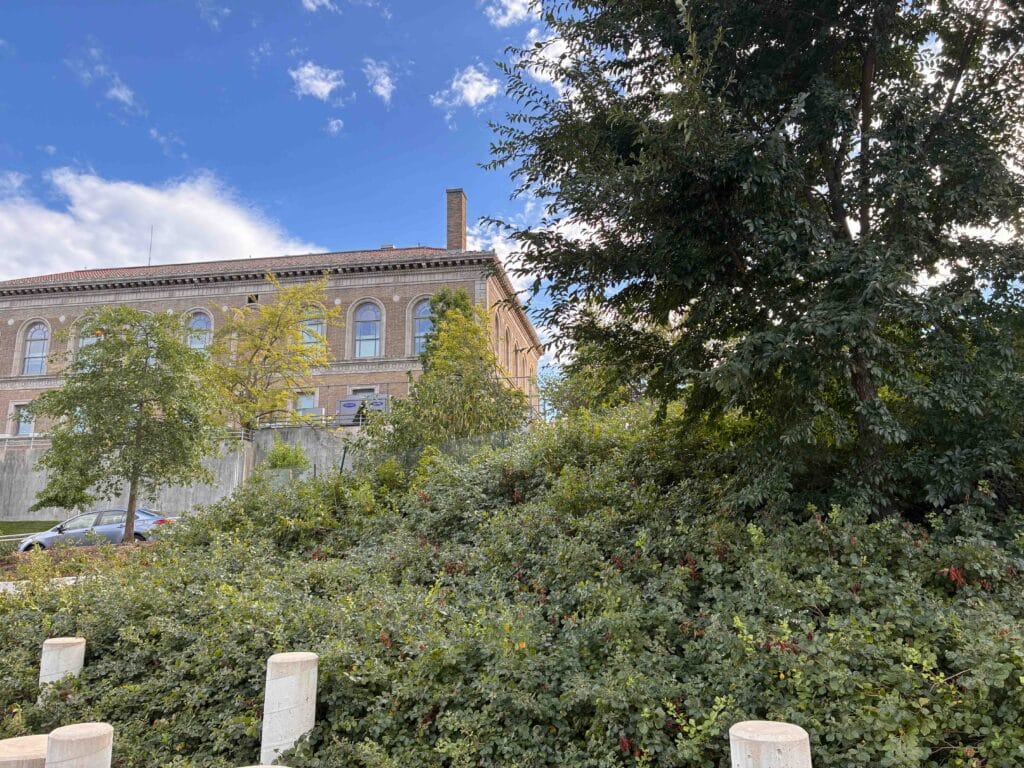
Bio4Climate, alongside the City of Cambridge and SUGi, established the Danehy Park Miyawaki Forest in 2021, the first of its kind in New England. It began a wave of Miyawaki forests throughout the region.
Around this time, Bio4Climate began to receive highly specific inquiries related to miniforests. Such as: is having a miniforest with only dense underbrush truly the best route, or should there be more herbaceous biodiversity? Why one versus the other?
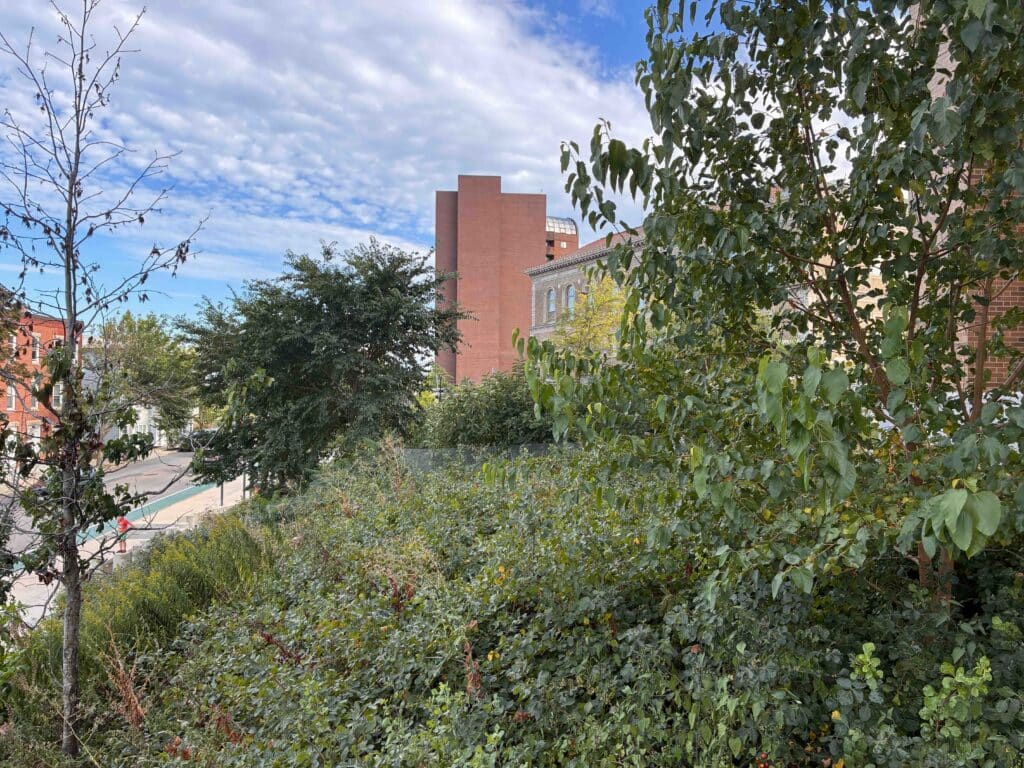
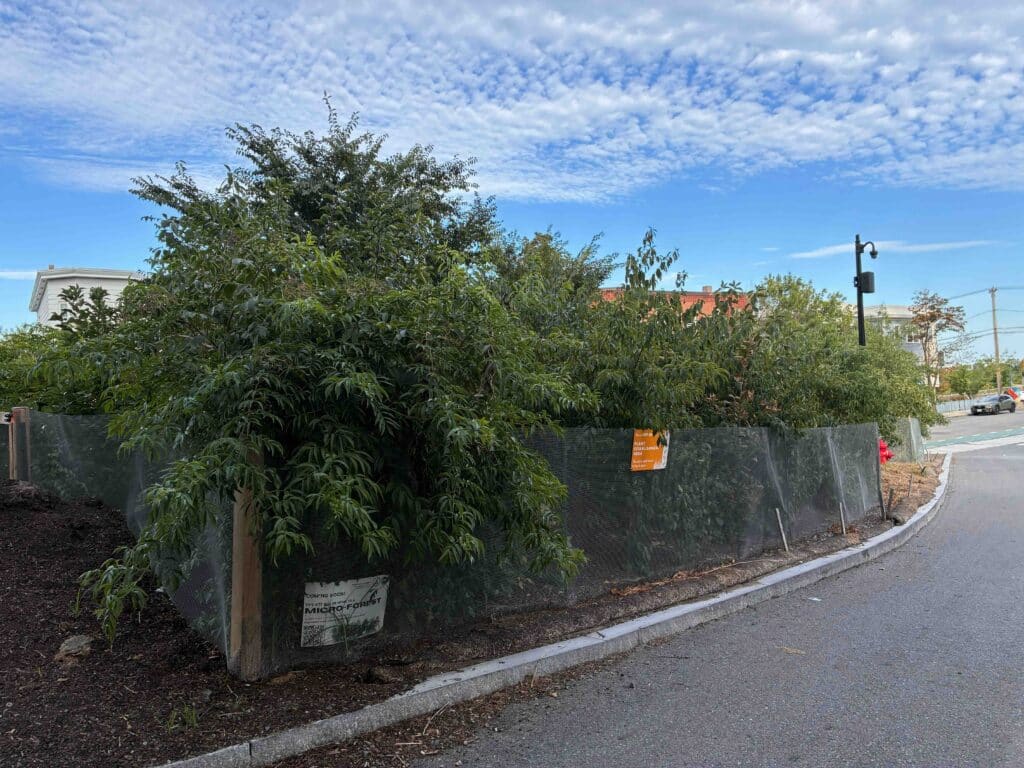
In an attempt to address these questions, the Northeast Miniforest Summit began. The first summit, in 2025, was free for attendees. It provided an opportunity to answer some of the questions that community members had about building Miyawaki forests in their own communities. There were over a dozen speakers.
A recording of it is available on Bio4Climate’s YouTube channel.
The 2026 Northeast Miniforest Summit, which ran from noon to 6:00 p.m. on July 22 and 23 online, cost as little as $30 to attend. Participants selected a ticket price based on a sliding scale, and all had the same access to virtual events. For those with more leeway, they could contribute up to $250.
“We made the community access ticket for the summit under the logic that when you go to a movie, you pay for a movie ticket and popcorn, [it’s] about 30-something dollars,” explained Ionescu. “So, we were like, if you go to a movie and you pay that, you might also be okay with paying that much for two half days of programming.”
The model from last year was used again this year, but the lineup of speakers expanded. They also added the “Making a Mini-Forest,” documentary screening by Angelina Lee and an in-person miniforest bus tour. Bio4Climate wasn’t able to make the 2026 Northeast Miniforest Summit free, but they drew inspiration from a Northeast Organic Farming Associate soil conference to provide the sliding scale pricing.
Bio4Climate continues to curate and design the summit in a way that’s most effective for participants. They designed four post-summit surveys for attendee feedback, used Zoom and Eventbrite analytics to learn about demographic information, and asked participants to specify “knowledge activation,” or what they will do with the knowledge they gained. They also use YouTube analytics to continue monitoring engagement with their 2025 summit recordings.
They are working on building a database with all of the Miyawaki forests in the northeastern U.S., in collaboration with Kean University, the New York State Department of Environmental Conservation, and Groundwork USA.
They shared the survey at the summit.
“We played an inaugural role in planting New England’s first miniforest,” said Ionescu. “And because we were being perceived at this hub of knowledge, it felt very important for us to expand on it and continue this role and bringing people together to exchange best practices, knowledge and [build] community and connection.”
The speakers at the 2026 summit covered how to measure plant and soil health, and highlighted organizations finding creative ways to engage volunteers. The speakers emphasized accessible methods of planning and learning from Miyawaki forests, with a diverse audience in mind.
Bio4Climate’s mission of accessibility extends beyond initial planning and planting. They strategically designed the summit to discuss methods of engagement with the forests outside of a traditional lab or research space.
For Ionescu, she continues to learn new methods of interacting with the forests. She even suggested placing tools in the field such as microscopes at every Miyawaki forest, allowing visitors to discover the nematodes, fungi, and insects that reside in the soil.
In the future, Bio4Climate hopes to officially integrate long-term research projects to continue learning about the ecological impact of miniforests in urban areas.
“It’s just truly a microcosm to understand how nature works and to enter into a relationship with these processes over time,” said Ionescu. “Starting from planning to planting day to stewardship. You’re attuned to another way of relating.”
The Miyawaki Method is not immune to critics. Bio4Climate made a point to address these, setting aside time during the 2026 summit to cover a particularly exacting article titled “Popular Miyawaki reforestation method lacks evidence, study finds,” from Mongabay, a journal that covers conservation news.
“I think we humans learn best in communities, and each person’s way of being kind of unpacks a process in a different way. It’s all about connecting the dots together and learning from each other,” Ionescu reflected. “And if we are creating these urban mini forests, it must go beyond just planting or stewarding. We need insight into how to better fund them, [and] different models to fund urban, nature-based solutions.”
What follow-on actions did the insights above spark for you?


Sofia Baah recently completed a MA from the School of Journalism at Northeastern University’s College of Arts, Media and Design (CAMD). She is Special Assistant & Program Manager for external partnerships at the Northeastern University Oakland Campus, where she manages small business community engagement initiatives. She is passionate about accessible science and sustainability, with interests in science communication, nonprofit work, and the biological sciences.





Did You Know: A museum dedicated to the brain is being developed in Southern California?

Peer teaching as empowerment? Exploring NeuroBoricuas with Dr. Christian Bravo-Rivera

STEM Unbarred: What the initiative is learning about hands-on science for incarcerated youth

San Francisco Bay Area climate resilience group helps local communities talk about extreme heat

Did You Know: Kirtland’s Warbler Festival in Michigan is engaging the local community in celebrating and conserving the once-endangered songbird through educational events

Questions, biology-based environmental stewardship, and accessibility are at the center of Bio4Climate’s annual conferences
Did You Know: Kirtland’s Warbler Festival in Michigan is engaging the local community in celebrating and conserving the once-endangered songbird through educational events
San Francisco Bay Area climate resilience group helps local communities talk about extreme heat
STEM Unbarred: What the initiative is learning about hands-on science for incarcerated youth
Peer teaching as empowerment? Exploring NeuroBoricuas with Dr. Christian Bravo-Rivera
Did You Know: A museum dedicated to the brain is being developed in Southern California?
STEM Unbarred: What the initiative is learning about hands-on science for incarcerated youth

Exploring workforce needs and intergenerational learning in informal STEM education

Making a Mini-Forest: participatory science afforestation across the globe

18 months later, Casey Lardner from Genspace says, “we’ve been really focused on building systems”
Contact
Menu
Designed with WordPress