
Questions of the Day Program
Bridging the Flood Risk Info Gap: Insights from a Journalist-Scientist Collaboration in Louisiana
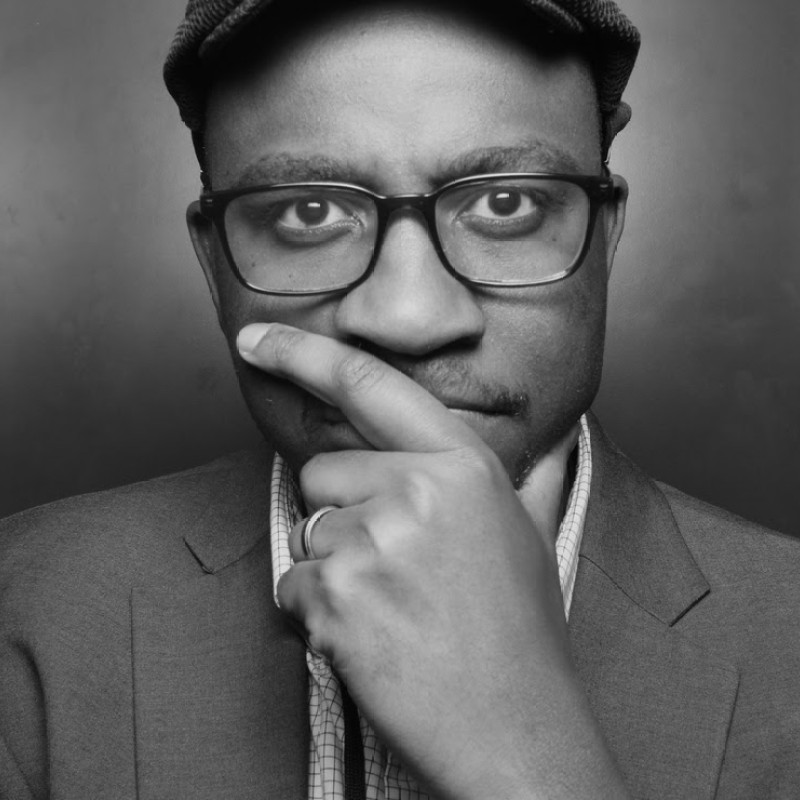
How can a local newsroom and university researchers help residents better understand flood risk? As part of a special series supported by the Rita Allen Foundation, I speak with Christiaan Mader, Executive Director at The Current, and Emad Habib, Chair and Professor in the Civil Engineering Department and Director of the Watershed Flood Center at the University of Louisiana at Lafayette, about their civic science journalism collaboration.
For Mader, the starting question was straightforward: “How do we get people to better understand flood risk in principle?” He described a disconnect between residents’ understanding of what causes flooding and the solutions they seek from policymakers. Addressing that gap meant finding ways to make the underlying science useful in people’s everyday lives.
Their response pairs a locally focused flood guide with an automated email system designed to connect approaching rain events with explanations of flooding. The idea is to reach residents when the information feels immediately relevant, linking an emerging weather event to explanations of what could happen in their neighborhoods and why.
At the time of our conversation, the team had developed the tools but faced unresolved operational challenges. Frequent heavy rain in southern Louisiana made it difficult to determine when an alert would be useful. As Mader put it, “If you over signal to people, they tune it out.” The reporter central to the project had also left for law school, leaving a staffing gap. Automation offered some relief, but maintaining the service still required someone responsible for its day-to-day operation.
Evidence of community impact remained to be established. Mader outlined potential measures, including email subscriptions, open rates, visits to the guide, and time spent reading. “I mean, it’s a proxy,” he acknowledged. He also identified surveys and qualitative feedback as future steps. These measures could help assess reach and engagement, but the interview did not establish whether the project had improved residents’ understanding or decisions about flood risk.
For Habib, the collaboration prompted reflection on how researchers produce and communicate information. Working with journalists meant considering how findings could serve a specific community need. “For me, that was an eye opening experience,” he said. He also saw educational value in helping researchers and engineering students examine what happens to their work after it reaches the public: whether it is understood, used, or misinterpreted.
Both Mader and Habib emphasize that this kind of collaboration requires sustained attention. “It’s not something that you can just do on the side,” Habib said. Mader envisioned a dedicated reporting role covering flood risk, housing, and development, supported by tools grounded in science and transparent about uncertainty. Their experience points to a practical question for similar partnerships: once a useful tool is built, who will maintain it, assess its effects, and keep it connected to the community?
The transcript of the conversation is below. It has been edited for clarity and readability.
All right, welcome back to the program. My name is fanuel muindi. So recently the Rita Allen Foundation awarded us several, several grants to organizations that were working together at interface of civic science and journalism. So there are about 12 of them, and I'm so glad to be joined by one of them today. So we're joined today by Christiaan Mader, who is the Executive Director at the current and nonprofit newsroom in Lafayette, Louisiana, and also Emad Habib, the director at the watershed flood Center at the University of Louisiana at Lafayette, where he's also the Endowed Chair and Professor in the civic civil engineering department.
To the both of you, welcome to the program.
Thanks. Happy meeting.
Christiaan, The Current led this collaboration funded by the Rita Allen Foundation. Could you tell us about the newsroom, its audience, and its focus?
So the current is a local news outlet. We are a nonprofit. Our primary focus really is the city of Lafayette area expertise within the journalism world would be like local government reporting. So we write a lot about, you know, what happens at the city council meeting and what the mayor is up to, and all that kind of stuff. But our real, you know, claim to fame, I guess, is we focus a lot on investigated enterprise journalism, and we really interested in the why and how of things were more so than the what happened, right? If you think about the big questions that journalism tends to ask.
And so, you know, we try to differentiate ourselves in that way, and we have the benefit of doing that on a nonprofit model. We think of journalism as a public service, and so we generally focus on storytelling that goes after public interest. Journalism.
Emad, could you tell us about the Watershed Flood Center?
Yeah, yes, the flood Center is a unit of the research enterprise here at the University of Louisiana, and we specialize in studying flood risk and using state of the art modeling and data technologies. But we also have very active focus on how our research can support communities and decision makers and different stakeholders, whether it's the public or local governments, and in making the communities more resilient for flood risk.
Christiaan, what problem or question sparked this collaboration with the Watershed Flood Center?
I mean, the essential question was, how do we get people to better understand flood risk in principle, right? I mean, a thing that you would find just talking about it from the perspective of a journalist, right? You write a story about, you know, a flood mitigation project of some kind. And of course, the question that comes up is, is this going to help somebody? And to answer that question, you have to understand a lot of things about what causes flooding to begin with, and what would put your home or your neighborhood at risk?
And what we found often is that there was a disconnect between what the public generally understood were the root causes of flooding and what they demanded from their policy makers, right? And so there's a real gap. There's an information gap there that needed to be solved, and it's not an easy one, right? Especially if you kind of want to get above politics and talk about stuff that impacts people's lives in real ways, you have to kind of go back to the science, right? You have to go back to what you know and what you don't know.
And it made a lot of sense to me when the Reedy Allen opportunity came up to pursue a concept, because we worked with Emad primarily, is kind of like a, you know, as journalists tend to do as a source, right? Like going to come on explain X, Y or Z to me, right? So I can understand it, so I can report it, so we can talk about it. They're producing science that that was public, right, like we would read about it. Or. Read it and papers and things like that. And so it made a lot of sense to kind of just sort of connect those two dots together on the news gathering side, like rather than just sort of thinking about it.
Okay, well, here's a thing that we need to explain, but helping us understand how, as a an entity whose job it is to communicate information to the public, how we can do that better, and do so at the sort of very specific and often very confusing topic, which is flooding, which, of course, as you can imagine, in southern Louisiana, is a very important topic.
Emad, my understanding is that the Watershed Flood Center served as an adviser to the project. Could you explain your role?
Well, I, you know, like, like Christiaan said, we, we have been interacting with his organization for the last few years, and then this came, this opportunity to do something that's a bit more structured or with them, with a specific goal, and and, you know, really, where we come from, you know, at least we're, we're, I come at this kind of effort, you know, is to see how, how our science can help, you know, cross that information gap that Christiaan was talking about.
And, you know, flood risk is a very, is a very passionate topic for folks, for every one of us, especially in this part of the country here, and everybody has a different view on what causes flooding, what the solution is, and, you know, the public and the stakeholders and the decision makers and the local governments. So we were trying to see how we can actually help, you know, bridge the gap between these different views.
And also for us, it was, it's also an opportunity to understand how, how we can actually think about our research in a different way, you know, understanding how the what information the stakeholders are looking for, and how can we make sure that it's actually used the right way, and it's also helping us to improve how we do our science, really, so our our role, and maybe Christiaan can talk a little bit more about the scope of the project, but to to engage in a very, you know, a very active exercise with with reporters on how can the information that we produce be interpreted or packaged in a way that can actually help the communities and translate in a not only not just an understandable way, but really bring it down to the specific use case of the communities?
For me, that was an eye opening your experience, really, and make me sit back and think about again, about what I do and how I actually produce the information. Yeah.
Emad, the report highlights the importance of considering the use case from the start. Christiaan, how did the community fit into this collaboration? What were you hearing from residents, and were they involved before or during the project?
You know, what we generally found, right? Kind of, going back to what I said earlier, was, I think it just people tend to come at things from common sense, right? And you can't fault them for that. And so just to put it in more concrete terms, right? I mean, a lot of folks in this area of the country are in southern in Lafayette, particularly, we're under the presumption of that a main reason why their homes might flood was the river, which makes a lot of sense, like, there's a river that runs through Lafayette, like lots of communities. Like in lots of communities, and they're not wrong, but they're also not right, right?
And why does that even matter? Well, it matters because when something bad happens, and they go to their council person, or to the representatives, and they say, We need a fix, and they're presented with a fix that may or may not work, right? I mean, getting their arms around that can be really tricky. And so where we saw an opportunity here was is like, is there a mechanism that we can create that can sort of pierce that noise a little bit and give people a clearer sense of what their risks are? And, let's you know, even widen the frame a little bit more than that? We're not just sort of talking about when floods happen.
We're talking about risk in a very literal sense. I mean, people pay for risk, right? You buy flood insurance or homeowners insurance, right? And so people are experiencing changes in their lives by ways of increased insurance premiums, and may not quite understand why that's happening, and so you can see that anxiety and how people show up in council meetings, let's say, and demand a specific solution. And our thought was, well, there's an opportunity there, right? And to try and devise some sort of communication strategy to get the kind of more elemental.
Principles here into the pipeline for them, because most of the time in journalism, you're just talking about a thing that happened, right? I mean, you know, a flood happens. So here's, here's, here's what you do, or we built a project, and this is what we do. Very little space in that context to stop and say, Hey, wait a second. You need to understand about you need to understand this about the watershed that we're in. Let's define some basic terms.
And the trick, and I'll be upfront, I don't know that we've solved it yet, is how to create space for that that draws people's attention on an ongoing basis to where like, if the ideal is at the end of this, you have a more broadly informed community that understands, in principle, what's happening, right? And it's not even just what they know, it's what they also don't know, right? I mean that in a very generous way, right? Like, it's important to understand uncertainty in and of itself, like the things that we can't really know and the things that we can't control for.
Christiaan, the report describes a tool. What have you created, and what is still in development?
The best way of thinking about it. It's almost like so it's a guide, right? So we developed a flood guide that explains some very basic principles of flooding and lays it out in a way that connects people to their own backyards, right?
And the mechanism, really, though, is a communications called a communication system, but it's really just an email, a triggered email system that when events of certain size or rain events of certain size come, people would get triggered an email letting them know about the risk, saying, hey, an event's coming that could cause flooding, and here's what we know about it, and then using that news event opportunity to present them with the guide, so that people would sort of be paired with, you know, the emergent situation.
Hey, there, there's a there's a storm that could cause flash flooding that might, you know, obstruct your wet route home from work, or whatever it is. Let's pause for a second and say, What's a flash flood, right? I mean, I think people don't even necessarily know what that means or why they happen, and so trying to use that event, the moment a person is most likely to be thinking about flooding and flood risk, to say, here's what's happening, here's why this has happened. So that's the tool that we made to be effectively a flood guide paired to an automated or automatic, automatically triggered email system.
Is it active now?
It is active, but not currently. Man, so I think the the thing that we've not problem solved just yet is the calibration element. So, you know, think about it this way. How big of a storm Do you want to warn people about we live in Southern Louisiana. Over the past two weeks it has rained cats and dogs every day at around two o'clock, right? So you want an email system that shoots off an email every time it's, you know, throughout the entire rainy season, right? You basically have a monsoon every day in southern Louisiana. So we've been working through that piece of it. It's like, how often do you actually trigger this thing, right?
Those are actually very important. They're very important calibration issues, because if you over signal to people, they tune it out right? And so that's kind of where we left it off. Most recently, is try to work through what's a proper strategy for that. Do we need to send a weather alert every time there's going to be a hard rain and Lafayette? Because people are just going to say, like, what else is new? It's July, you know, that's not really newsworthy, as they say,
Emad, what have you learned as a scientist working with The Current?
Yes, I think that's a good question. Like I said, we have been been interacting with Christiaan and his folks for quite a while. And you know, one thing that I would like to think about as an outcome from this experiment, or this this experience, is that it's really, you know, it's a serious thing. It's not something that you can, you can just do on the side or, you know, over an interview or a conversation. I think to produce something that is meaningful. And I think Christiaan explained one of those meaningful tools that we're trying to produce, you really need to engage in a very meaningful way and in a sustained way.
Also, it's not something on the side, I think, and I'm personally interested in pursuing this kind of work, which is not necessarily in the mainstream of my research, but it really provides another dimension and also enlightening, you know, experience for the researchers they believe. So my lesson learned here is, is to to try to get educated on what communication is really about, what you know, how you understand, how reporters and journalists, you know, work. And what they look for, and also through them, see what the public is really looking for, and trying not necessarily to tailor to that, because at the end of the day, I'm a researcher.
I do. I report what I get from my research, but understand the needs of the end user and also the media as maybe, an agent of communication between what we do and what the community is looking for.
Christiaan, what impact do you hope to have? As you work to staff and maintain the tool, what will you track to understand its effects in the community?
yeah, and, I mean, at this point, literally not, man, so the reporter that we had, who is a principal on the project, he went to law school, so we're actively trying to replace that bit of it, you know, the goal, I mean, I think this is actually something that you can track pretty well. I mean, it's a proxy, but it was basically, how big of an email list can you build, and how often do people open the emails that you send? Do they go to the flood guide? Do they read it?
How long do they spend with you have, in the context of digital publishing, a lot of really useful signals that you can tell you a lot about whether people are using what you've got, and to what extent, you know quantitatively, they're engaging it out deeply, right? I mean, of course, you know, longer term we would roll out. I think feedback surveys and qualitative feedback would be important too here.
And you know, part of what even brought us to this point is, you know, Emad and his team had been working separately on a similar sort of thing, like convening focus groups, understanding how different segments of the community were even approaching or sort of trying to understand the stuff of which journalists were a cohort of people that he interviewed. And so I would imagine we would do something similar to that too over time. I mean, sort of carpet for the horse. I mean something that we kind of have to do first is figure out, operationalize this to Emad's point on a sustained basis.
And I think, you know projects like this that that's a that's a struggle, right? Because, just like he's got his research, I've got my newsroom, right, and these are things that we've both chosen to prioritize here, but they can be difficult to keep going without. You know, a person whose job it is to wake up every day and think about that thing. And we were hopeful, of course, that the automated function of this, but using some tools like Zapier and, you know, things like that, would sort of assist to take the load off of that person. And we still see a lot of opportunity there. But, you know, it's always easier said than done, you know.
So I think that long term, the you know, how I would think about measuring the impact, surprise, surprise, digital publishers, thinking, Well, how many people are going to read it, right? I mean, I think that's the first thing that we'd be looking for.
Emad, what does impact mean from your perspective?
Well, you know, I'm an educator, you know, besides my job to do research. I also, you know, my primary job actually, is a professor and educator. So I really think there is a untapped, you know, impact, or that we as engineers, also, engineering is about design and and designing things that help the public, right? And quite often, we don't think about how our information or design or analysis is being used.
And you know, for even for our students to understand, you know, how the information is communicated to the public, or how is it being used in a public arena, is really an eye opening thing, and we don't, I don't think we train our students on things like that, or we expose them. We tend to design, and this is the design. We give it to the to the to the government, or whoever is building that infrastructure. And we don't tend to think how, how our information was used, and did it help or not, or was it misused for good or bad reasons?
And I think working with that, with the media, and seeing how the information is being conveyed to the public and to the decision makers, is very, is very educational for us as resources as well for students.
Christiaan, if you had unlimited funding, how would you grow this work?
I mean, I think the first thing we would do right is you would potentially have almost like a news desk dedicated to this kind of coverage. I mean, I think, you know, I remember sitting in one of Emad's focus groups for their research project. And, you know, I think I've thought of a lot about, right? Is how people in, you know, flood prone areas, hurricane prone areas, they think about these events. And, you know, something that's striking to me is, you know, a grown up in southern Louisiana, I think I just got used to was hurricane seasons and hurricane guides, right? And.
I think a lot of our project was just like, Well, is there a way to develop a similar habit around understanding flood risk? Everybody and their mom in southern Louisiana can sort of talk about, like, some very basic things about hurricane science, right? Like they can tell you what's the difference between different categories, how often they hit the Gulf, etc. You know, ocean warming and the impact that that might have on intensity of storms, and these are things that people can just talk about casually, but don't necessarily have the same vocabulary for when it comes to flooding.
And so building a news environment that does something similar, right, like, you know, maybe you have a reporter whose job it is is to kind of report specifically around flood risk and its various impacts, right around like housing and development and all those kinds of things would be really powerful. And then being able to use it to use a tool like what we've developed with you well, that has scientific merit, that knows what it's knows, and is candid about what it doesn't know, I think, is a really powerful thing, and something that I think we can really build from long term.
The key being, we've got to have somebody to do it, you know, and somebody who's dedicated to doing it day in, day in, day out, which is a challenge with any partnership we've been involved in, right? There's always that space between the partners that a third person should theoretically occupy. And I think though, on the other way of looking at that, though, is that that's an opportunity that means that there's a gap that you can plug, and if you did, you'd have something really powerful.
Emad, as you collect more data, do you plan to publish what you learn so other newsrooms and scientists can explore similar collaborations?
Absolutely, absolutely, I think, like I said, there's quite a few lessons learned here. And I share, I already shared quite a bit of what we learned with with my colleague, especially the early career faculty, who come to the university and you know, they are excited about the research. So I would like to not only put it in a scientific publication, but also find like kind of, you know, maybe through the guide that Christiaan is developing some sort of a permanent avenue for our research to be disseminated to the, to the to the public, and receive feedback on that to that kind of venue.
For me, the motivation also is to try to, you know, see how our science can actually help people understand the risk and the solutions that they can undertake. And also, you know, you know, in more of a kind of equitable way actually, because I still believe that sometimes the information is used in a very biased way because of just lack of communication and and, you know, I hope in the future, I'll be able to contribute to that through working more with folks like Christiaan,
I wish we could keep talking—this is a fascinating project, and there’s much more to learn as your work continues. I’d love to visit Lafayette and see it firsthand; I’ve never been to Louisiana. Thank you both for your time. I look forward to continuing the conversation.
Thank you for having us.
What follow-on actions did the insights above spark for you?


Fanuel Muindi is a former neuroscientist turned civic science archivist and documentarian. He is a professor of the practice in the Department of Communication Studies within the College of Arts, Media, and Design at Northeastern University, where he leads the Civic Science Media Lab. Dr. Muindi received his Bachelor’s degree in Biology and PhD in Organismal Biology from Morehouse College and Stanford University, respectively. He completed his postdoctoral training at MIT.





Did You Know: A museum dedicated to the brain is being developed in Southern California?

Peer teaching as empowerment? Exploring NeuroBoricuas with Dr. Christian Bravo-Rivera

STEM Unbarred: What the initiative is learning about hands-on science for incarcerated youth

San Francisco Bay Area climate resilience group helps local communities talk about extreme heat

Did You Know: Kirtland’s Warbler Festival in Michigan is engaging the local community in celebrating and conserving the once-endangered songbird through educational events

Questions, biology-based environmental stewardship, and accessibility are at the center of Bio4Climate’s annual conferences
Did You Know: Kirtland’s Warbler Festival in Michigan is engaging the local community in celebrating and conserving the once-endangered songbird through educational events
San Francisco Bay Area climate resilience group helps local communities talk about extreme heat
STEM Unbarred: What the initiative is learning about hands-on science for incarcerated youth
Peer teaching as empowerment? Exploring NeuroBoricuas with Dr. Christian Bravo-Rivera
Did You Know: A museum dedicated to the brain is being developed in Southern California?
STEM Unbarred: What the initiative is learning about hands-on science for incarcerated youth

Exploring workforce needs and intergenerational learning in informal STEM education

Making a Mini-Forest: participatory science afforestation across the globe

18 months later, Casey Lardner from Genspace says, “we’ve been really focused on building systems”
Contact
Menu
Designed with WordPress