
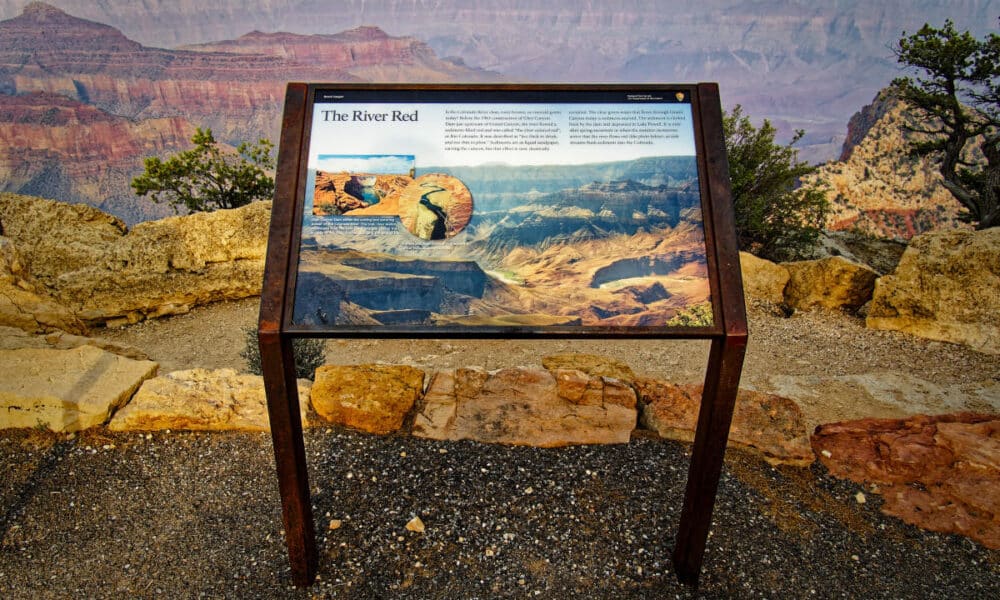

This paper presents the first known study that analyzed the language content of interpretive signs of U.S. national parks. It has identified, among other takeaways, an...



Launched just two years ago, the initiative has gained momentum rapidly.


Science communicators are constantly walking a fine line between keeping audiences engaged and delivering clear and critical scientific context. When it comes to space agriculture, this...

We are looking for scientists at all stages (high school and undergraduate lab assistants all the way to full professors) to share your journeys in science!


Awe has traditionally been used as a tool by science communicators to engage their audience; however, the authors propose that awe is a learned emotion and...



TL;DR: The paper explores how certain practices can resemble citizen science but in fact involve engaging participants in scientific tasks without transparency, informed consent, or benefits for...



Artistic formats such as theater can make science communication more inclusive, but they have to make deliberate choices to connect with audiences that typically have access...


English is modern science’s common language, with up to 98% of scientific articles published in English. Most major scientific journals operate in this language, limiting a...
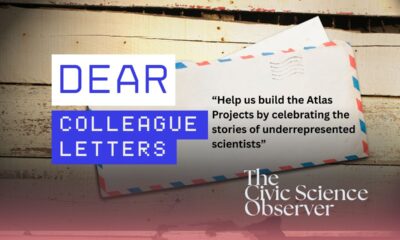

Dear Colleagues, Science is a public good, and it is strongest when the people who engage in the scientific process reflect the communities it is meant...
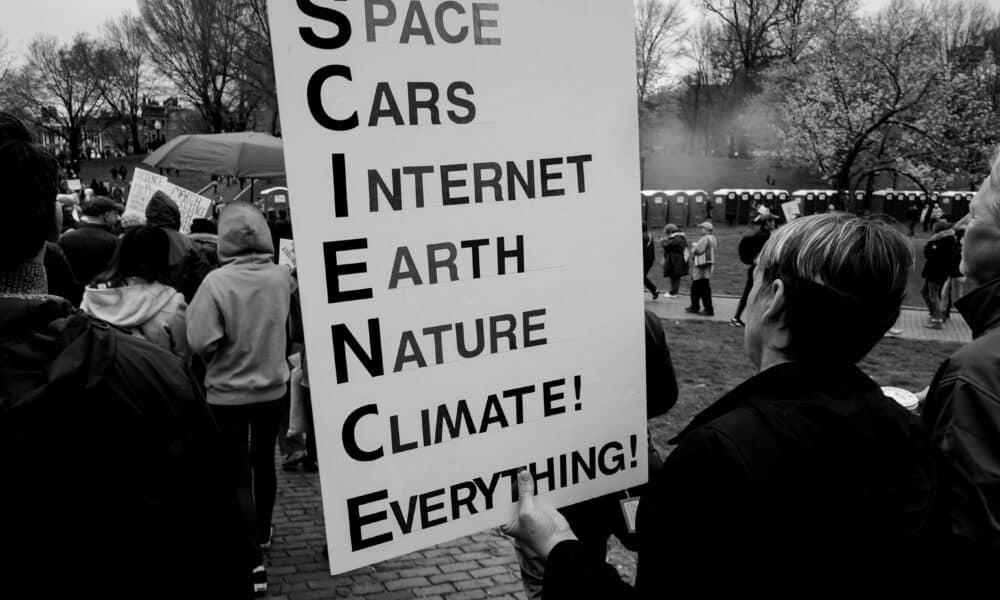

The images in this small collection represent some of that work, which I have come to describe as civic science photojournalism as a way to tell...


Designed with WordPress