
Civic Science Observer
UNESCO-backed platform seeks to encourage information sharing among freshwater management citizen science projects
What if a citizen science project in British Columbia that’s focused on preserving water resources could learn from citizen science projects in South Africa or Pakistan that have the same objective for their local communities? An initiative developed through the Intergovernmental Hydrological Programme (IHP) of the United Nations Educational, Scientific and Cultural Organisation (UNESCO) seeks to do just that.
The initiative is called Citizens4Water, an online platform that UNESCO describes as a “collaborative space” that showcases citizen science projects, initiatives, tools, and experiences related to freshwater management.
The platform, which IHP launched in February, provides local communities around the world with the opportunity to take charge of addressing their water challenges, according to Koen Verbist, IHP programme specialist.
“Citizen science [is] becoming increasingly important for our work. The uptake by member states is also accelerating, and it also provides us a unique participatory approach to engage with communities and to address their water challenges,” Koen said in a webinar last month announcing the platform.
Webinar speaker Karen Verstraelen, project coordinator for the Citzens4Water platform, listed four goals that she hoped the platform would accomplish. They include consolidating the knowledge from existing projects and making that knowledge accessible; collecting examples tools and guidelines that people have developed so that others may be inspired; supporting the development of ongoing or new citizen science projects; and identifying gaps.
The platform itself lists projects from around the world, with opportunities for other initiatives to submit their projects. The platform also includes information on upcoming events, funding opportunities, and collections of blog posts and interviews, according to Verstraelen.
The platform is especially helpful for regions where traditional monitoring networks are sparse or under-resourced, according to UNESCO: “By actively involving citizens in data collection and observation, these initiatives fill critical data gaps. They support informed decision-making and strengthen public engagement in water issues.”
Verstraelen said she hopes that initiatives from around the world will be active on the platform.
“We accept all projects that are working on citizen science and water. So as long as there’s a link with citizen science and water, you will be accepted to the platform… We also want to encourage you to spread it through your own networks so we can really reach as many people as possible from all over the world. We want to include and represent all the different continents,” Verstraelen said.
What’s distinctive about the platform is that it enables scientists from member states to learn from successful projects, many of which have already been running for 20 or 30 years, according to Koen. That success includes knowledge and experience on how to collect citizen scientist-generated data that’s useful and comprehensive.
These examples of longstanding projects show others “that citizen science can actually be sustainable, and it really has the potential to enable communities to identify, monitor, and solve their water resources challenges,” Koen said.
In addition to announcing the launch of the platform, the webinar also featured discussions from various project representatives about some of the issues that scientists face when dealing with citizen scientists, including ensuring that the data collected is of high quality.
Inga Retike, a senior researcher at the University of Latvia who is involved in a citizen science initiative that monitors the health of area springs, said she needs to reassure national authorities that their data is of good quality. So, her initiative establishes rules that citizen scientists must adhere to, such as ensuring that the entered pH is realistic, and it produces simple yet detailed manuals distributed in different languages. Experts also screen the data to ensure its quality, she said.
Her initiative, which began in 2021, has more than 380 volunteers who track more than 1,500 spring locations.
Springs play a crucial role in freshwater ecosystems, but data on them is limited, Retike said. The project uses a web-based application that participants can use to document spring locations, assess viable water-quality indicators, and submit geospatial, photographic, and even measurement data, she said.
This data ultimately helps the government develop transboundary guidelines to monitoring the network of springs, Retike said.
An initiative that panelist Line Debaveye is involved with, Plastic Pirates, operates internationally, so “we first made sure that there was a standardized protocol for all the participating countries that also worked in different contexts, because sometimes that [can be] the hard thing to compare,” Debaveye said. Plastic Pirates involves educating students on plastic litter.
Sufficient teacher training is another factor in obtaining reliable data, according to Debaveye. “You can give the best practices to them so that they can teach it to their students as well,” she said.
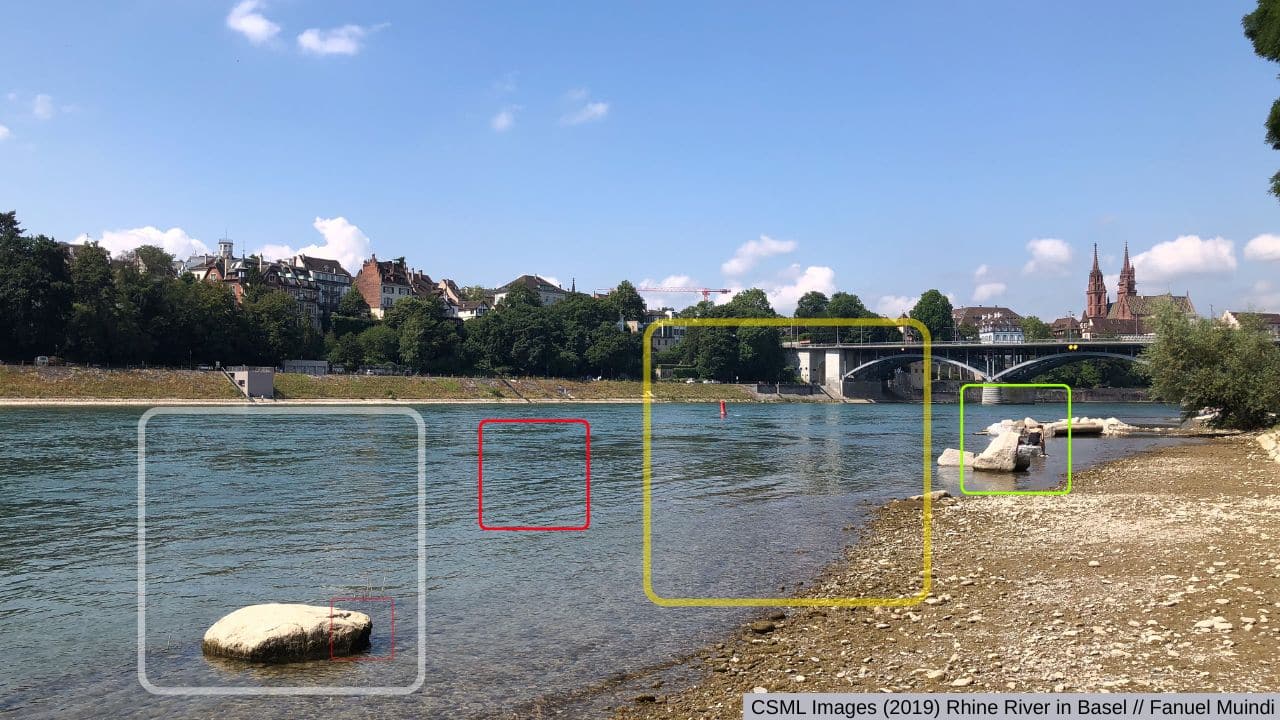
Panelist Linnea Cahil of Crowd Water said her initiative’s approach is similar to Retike’s. “Having a very simple approach is already a good first step,” Cahill said. Her initiative looks at how the public can be involved in the collection of hydrological data and investigates` what value the collected data can have for hydrological forecasts.
An expert also reviews the photos submitted with the data, Cahill said: “Once we have a group of people all reviewing the same image, then hopefully we also get a higher quality of results on water level estimation.”
Comparing data collection methods used by citizen scientists and those used by professional scientists can also help ensure quality data, according to Harriet Sleight at the Action for Quality Aquatic Environments. Her project is trying to develop, validate, and apply new methods for chemical and microbial water quality monitoring.
For example, her initiative compared the simple data collection method used by citizen scientists against traditional or internationally recognized and established laboratory protocols, “so we could create a direct comparison between how the two methods performed to inspire some confidence in the data,” Sleight said. A second-stage trial involved going out into the field with citizen scientists to collect samples, then measuring E. coli levels using the citizen science method and comparing those results with those from two other laboratories.
Sleight said that those steps have enabled researchers to validate data quality at several levels.
Food for thought by Fanuel Muindi
Q1: What is the sustainability plan for the platform?
Q2: Because the platform aims to consolidate knowledge from citizen science projects worldwide, how will Citizens4Water track how practitioners actually use the platform and which resources or examples are influencing new initiatives? Said more simply, what specific metrics will be tracked to assess the platform’s short-term and long-term impacts?
Q3: Since the platform showcases initiatives where citizens collect water-related data, what categories will Citizens4Water utilize to track the different types of insights and highlights shared by initiatives?
Q4: Since Citizens4Water indicates that projects only need a link to citizen science and water to be accepted, what specific criteria or minimum standards should those leading such projects consider before submitting their initiatives to the platform?

Joanna Marsh is a freelance writer and journalist based in Washington, D.C. For The Civic Science Observer, she reports on new developments across the citizen science landscape, covering both new research and on-the-ground practice. Her work highlights how local communities are engaging with scientists to contribute to ongoing scientific research and lessons being learned by the involved stakeholders.




Research!America selects 17 grantees from 132 applicants for the 2026 Civic Engagement Microgrant cohort

Melanie Brown: “If you listen, people want to share things that are important to them.”

MA3 Challenge awards grants to six universities to modernize promotion and tenure processes: Here’s the question of the day.

Scott Loarie says conservation science isn’t moving fast enough. He describes how iNaturalist is helping

Photo Essay: 2026 Stand Up for Science New York City
Scott Loarie says conservation science isn’t moving fast enough. He describes how iNaturalist is helping
Photo Essay: 2026 Stand Up for Science New York City

Abby C. King on leveraging local wisdom and science to create a thriving environment: “Our communities are the most valuable renewable resources for a healthy planet.”

UNESCO-backed platform seeks to encourage information sharing among freshwater management citizen science projects

Meagan Naraine reflects on the emergence of the nonprofit Culturally Relevant Science and how it aims to thrive.
Melanie Brown: “If you listen, people want to share things that are important to them.”
Abby C. King on leveraging local wisdom and science to create a thriving environment: “Our communities are the most valuable renewable resources for a healthy planet.”

Milky Way Project co-creator Grace Wolf-Chase says public engagement is ‘every bit as important as excellent scientific research’

Seeing is believing: Inside the BioBus revenue engine with Ben Dubin-Thaler

Haley Davis shares how SeaKeepers is engaging the yachting community to support marine citizen science projects
Contact
Menu
Designed with WordPress