
Civic Science Observer
Documenting the practice of civic science in monochrome: a photo essay
The images in this small collection represent some of that work, which I have come to describe as civic science photojournalism as a way to tell stories about civic science solutions at the many intersections of science and society.

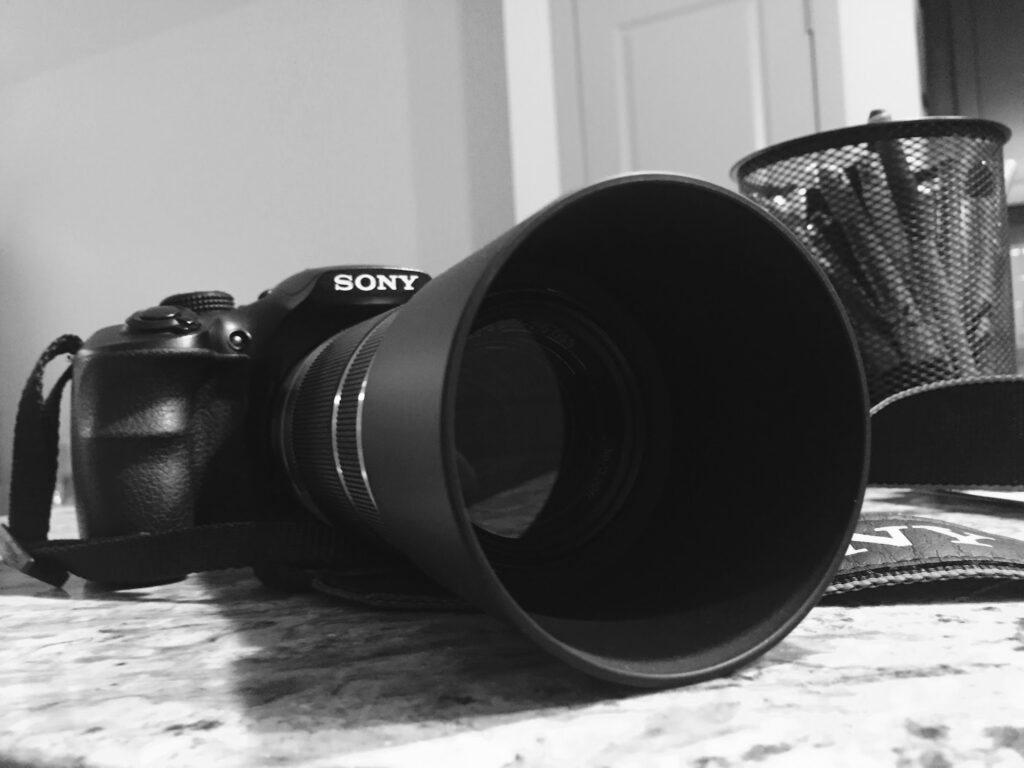
Photography has long been a personal outlet for me as a way to slow down and really observe the environments around me. It has been that way ever since I got my Sony Alpha 3000 DSLR as a gift from my wife back in 2016, which I still use today. Over the years, I’ve explored landscape, macro, and architectural-street photography. Some of that work has been self-published in the Reflections book series, but much of it actually lives on Google Maps, where I have found a more dynamic way to share it.
For a long time, I treated this creative pursuit as separate from my professional work. But one thought kept resurfacing: what if I could connect this passion with my professional work of documenting the civic landscapes of science? Looking back now, the link seems obvious, but I was too close to see it at the time.
I’d long admired Ansel Adams’ black and white landscapes. I found stripping away color asked more of me. I had occasionally experimented with monochrome images, but it all clicked when I began applying that approach to photographs I was already taking at science engagement events and of civic science activities more broadly that I encountered in the field. The absence of color opened up new questions and new ways of seeing.
I wondered if others would respond in the same way. Slowly, through feedback and conversations, I realized they did.
The images in this small collection represent some of that work, which I have come to describe as civic science photojournalism as a way to document the practice of civic science visually. The images reflect moments in time that are meant to prompt the viewer to pause, reflect, and perhaps enter into conversation. It is often those conversations, when I am talking with viewers at exhibits, that linger with me most.
I have been fortunate to exhibit in galleries across Massachusetts such as the Attleboro Arts Museum, Fountain Street Gallery in Boston, The Beebe Estate in Malden, and Follow Your Art Community Studios in Melrose over the past few years. Other locations include the New York Academy of Sciences, Brandeis University, New York Institute of Technology, and the University of California, San Francisco. Along the way, I have also received microgrants from funders such as the Massachusetts Cultural Council, the Biochemical Society from the United Kingdom, and the American Society for Cell Biology’s COMPASS Outreach funding program. Altogether, these opportunities have encouraged me to continue exploring my artistic side to surface questions and spark new conversations among civic science enthusiasts.
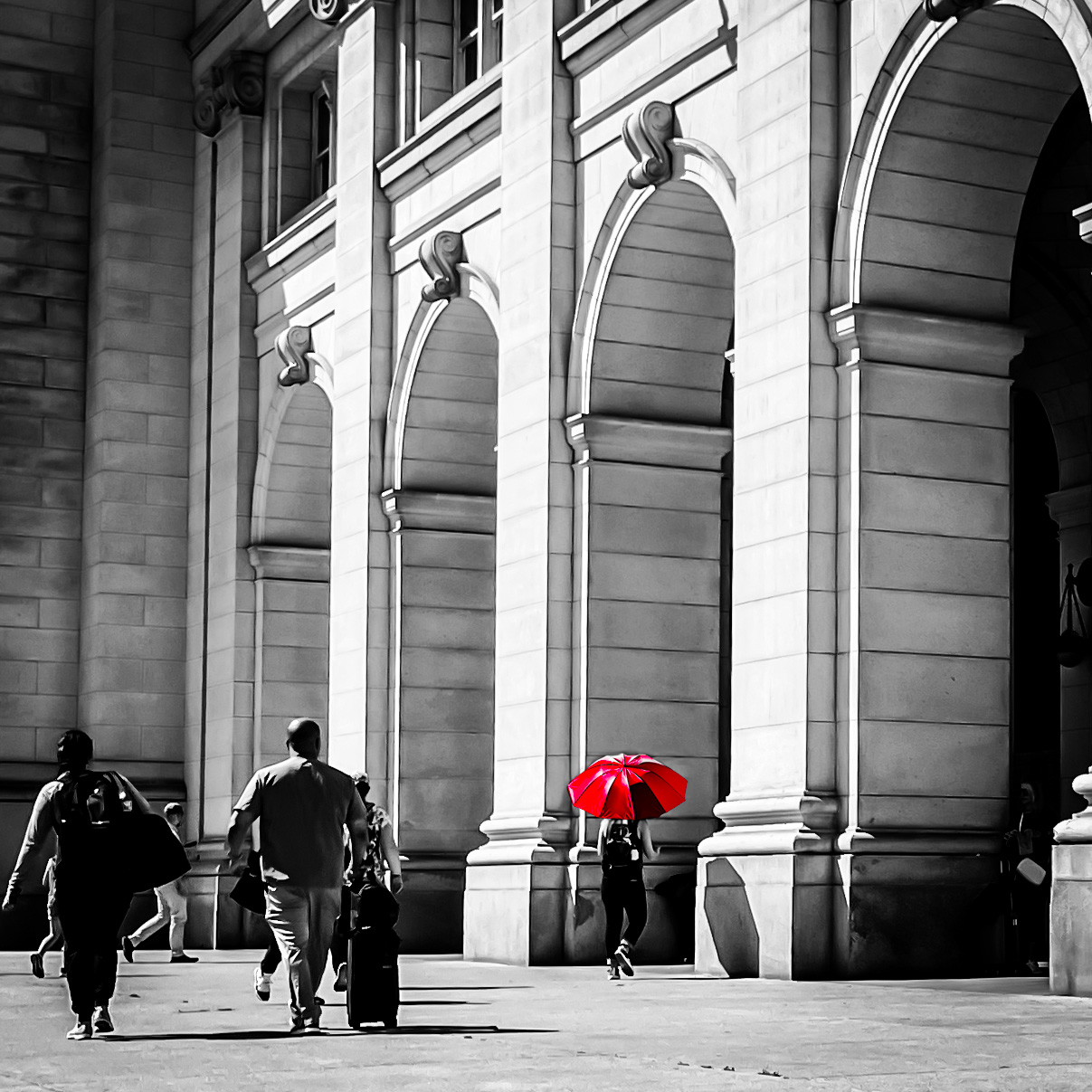
Travelers walking outside Union Station in Washington, D.C., where inside, NASA hosted an Earth Day celebration outreach event on a surprisingly hot day on April 21, 2023. The event inside featured booths where travelers could engage with NASA staff members and scientists about the agency’s ongoing work.
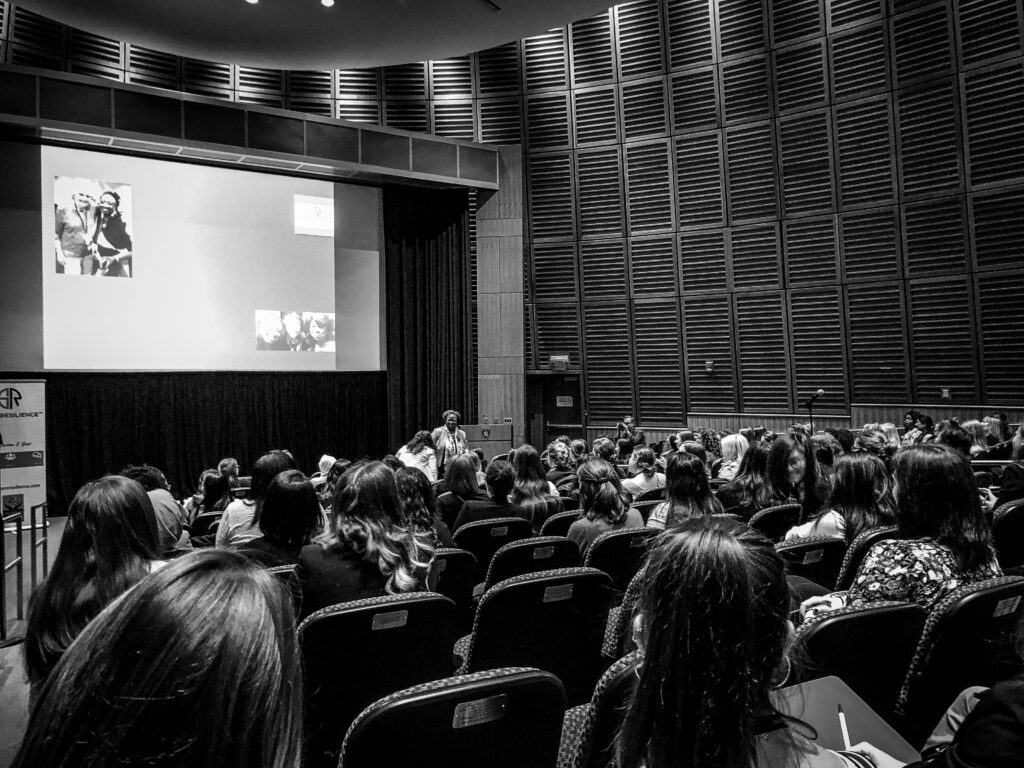
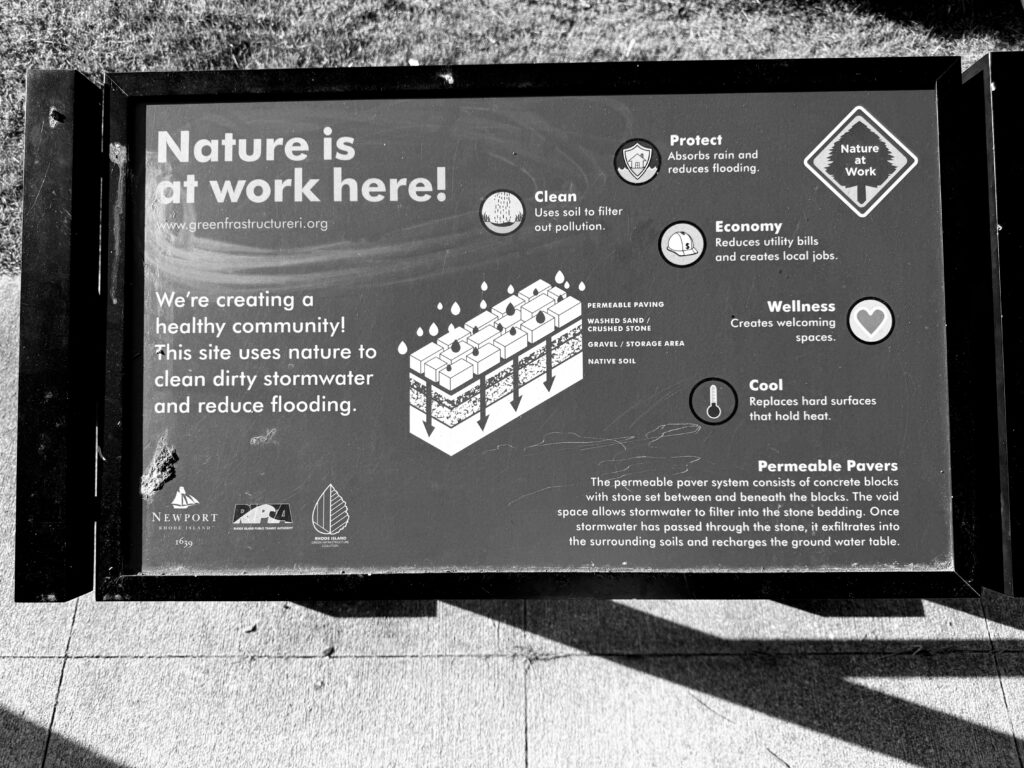
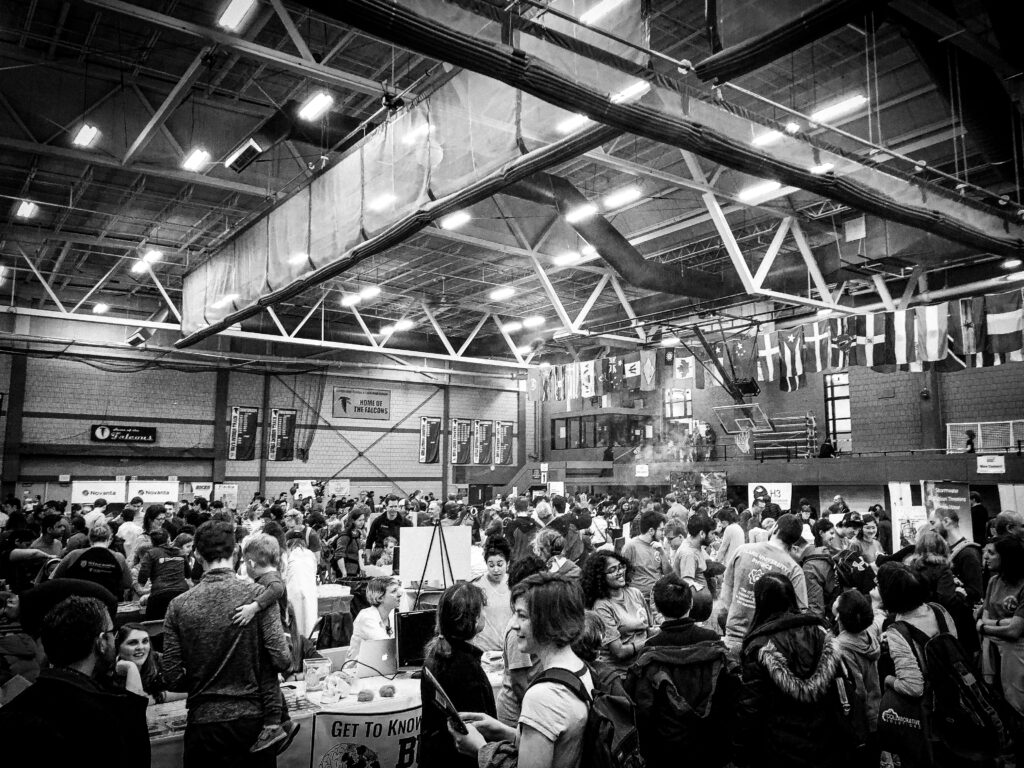
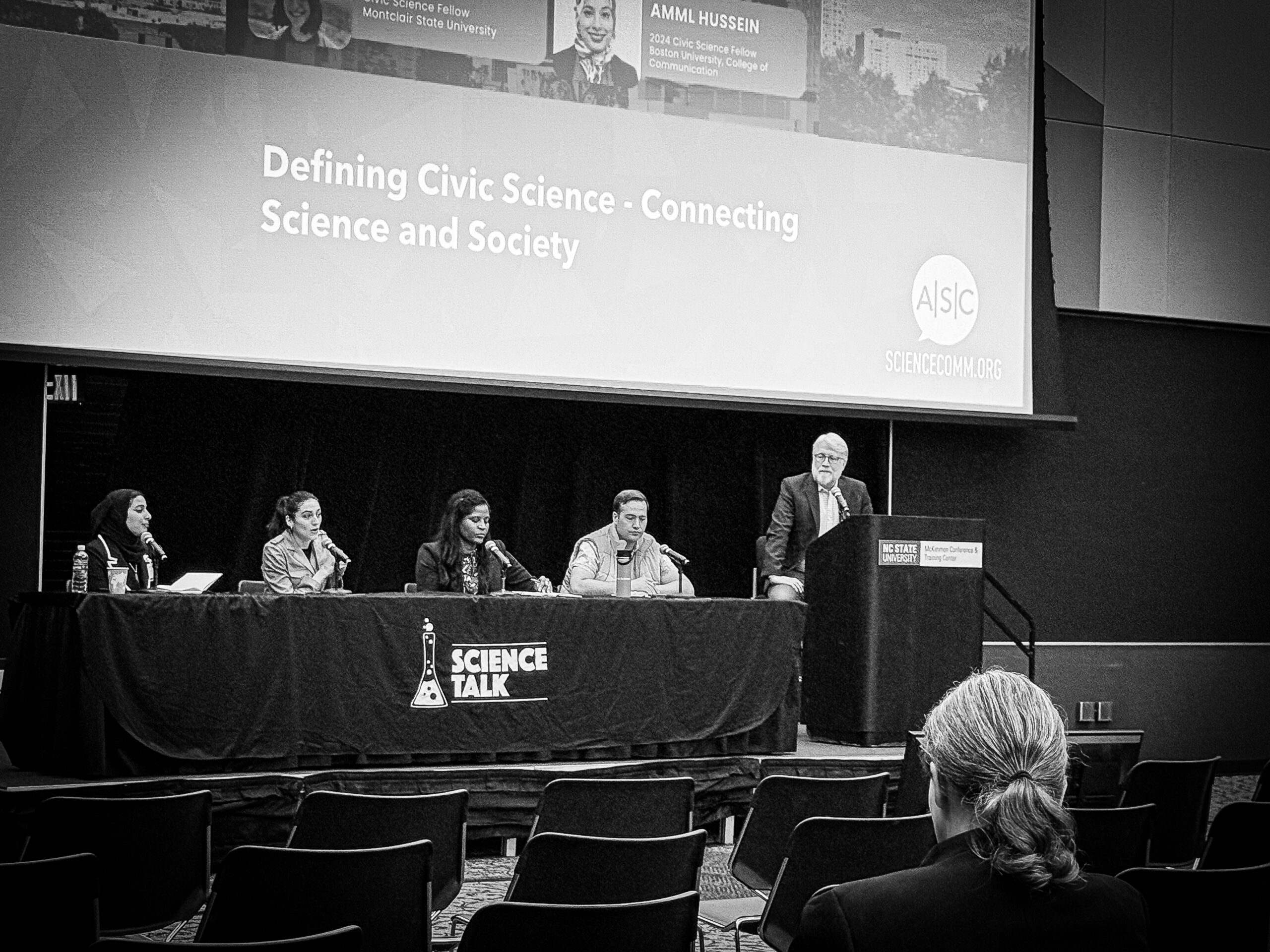
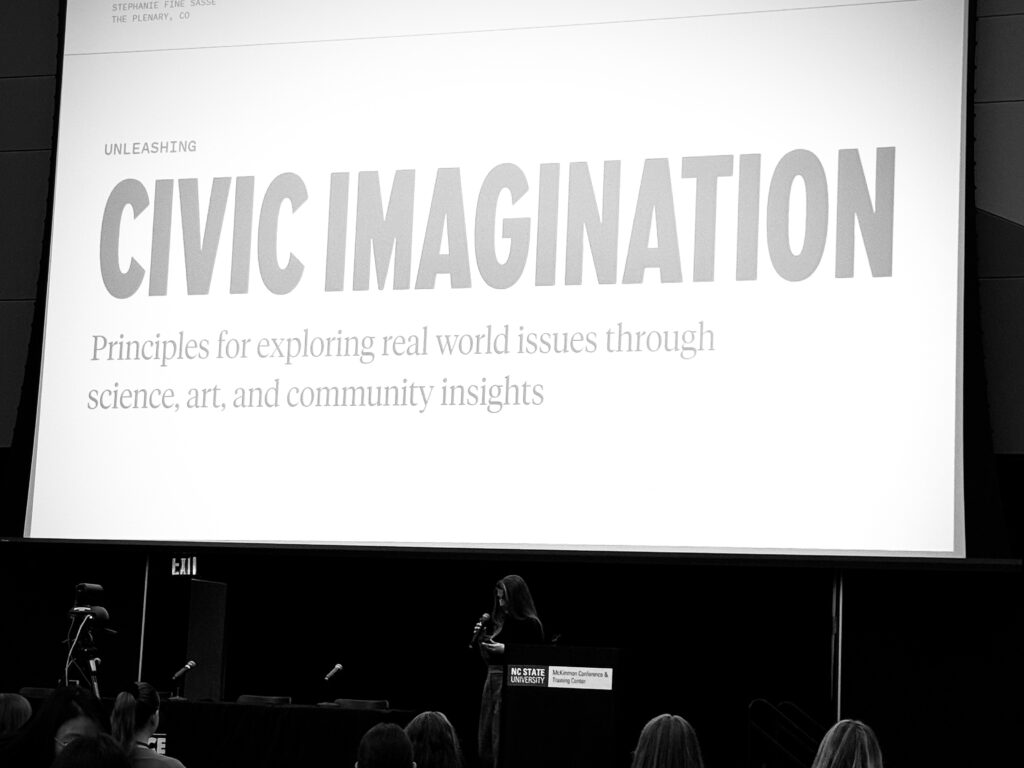
Catherine Devine (second from left) answers a question as a panelist during the annual Science Talk Conference at the McKimmon Center at North Carolina State University in Raleigh, NC. Titled “Defining Civic Science: Connecting Science and Society,” the panel aimed to “examine the concept of civic science in light of urgent science communication challenges.” In the audience were science communication practitioners and scholars. The panel was moderated by Brian Southwell (right). Other panelists: Amml Hussein (left), Jylana Sheats (third from left), and Andrew Makohon-George (second from right). Photo date: Apr 4, 2025.
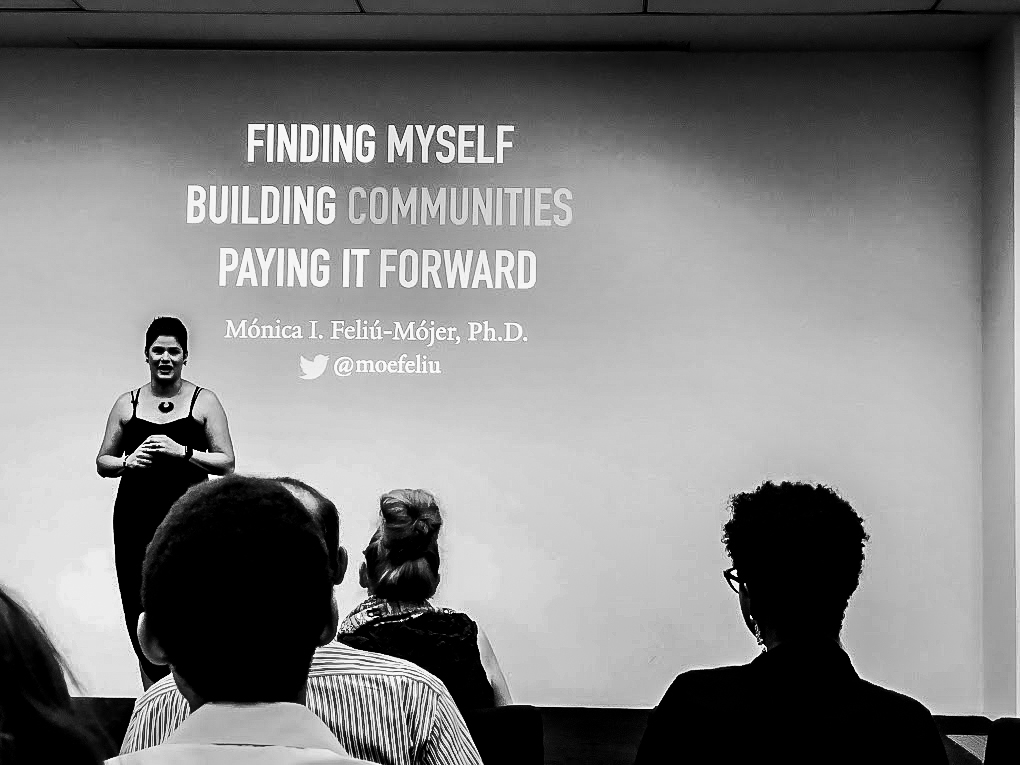
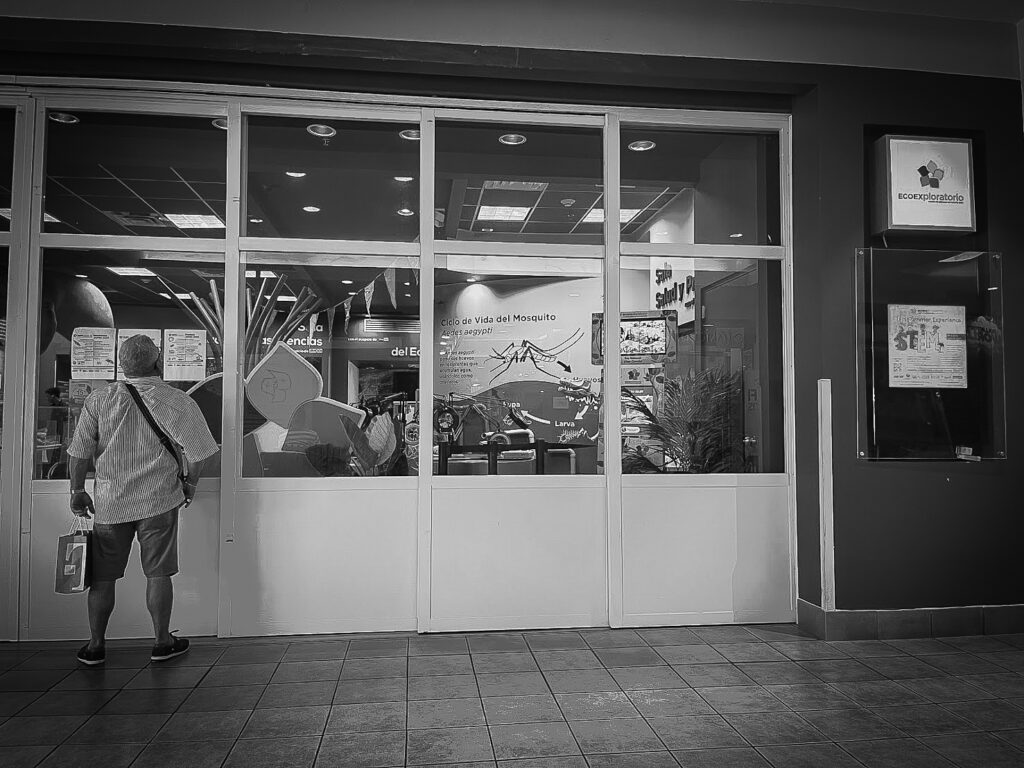
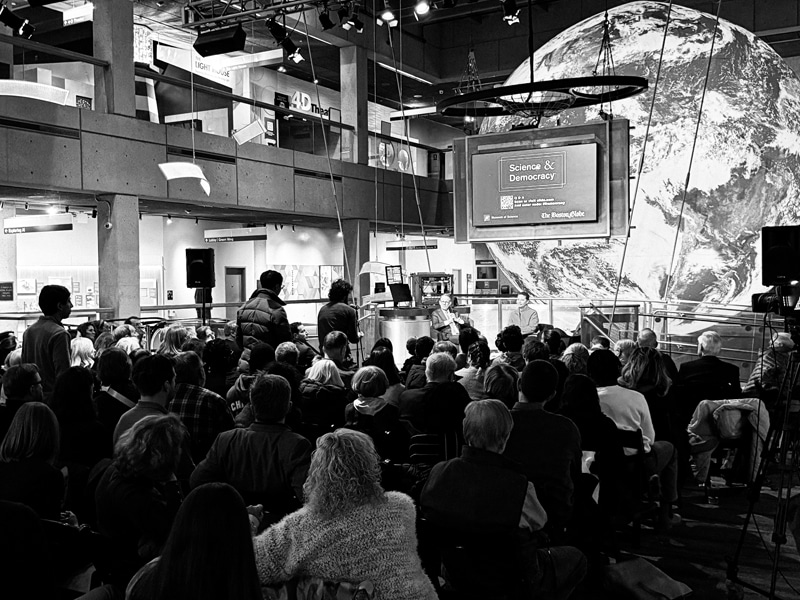
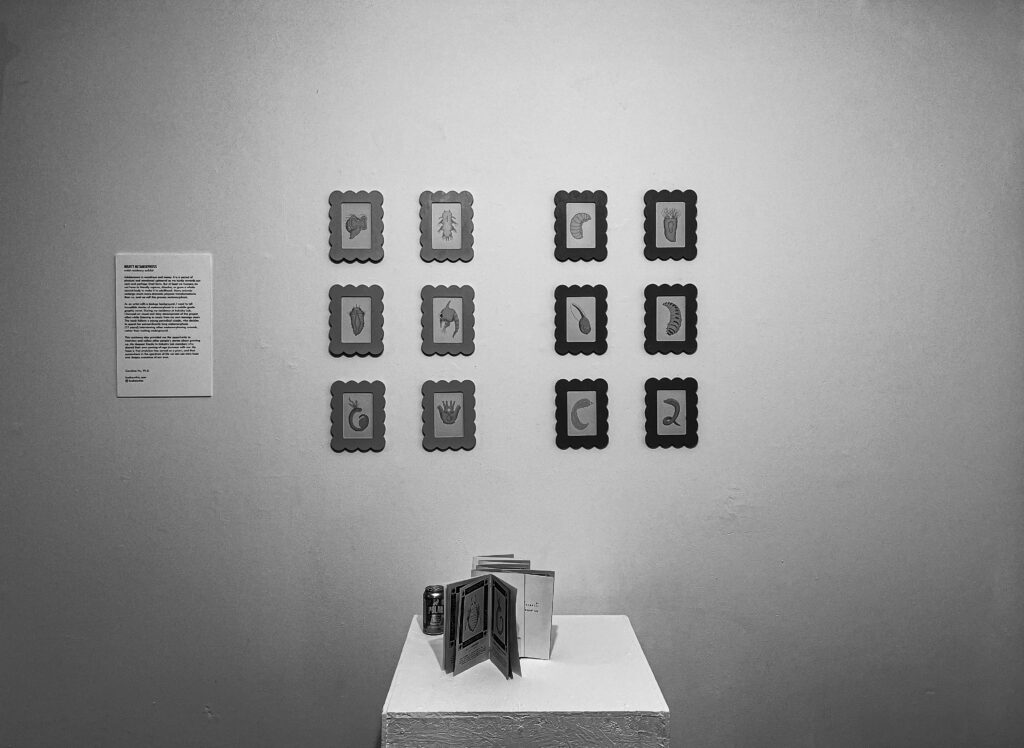
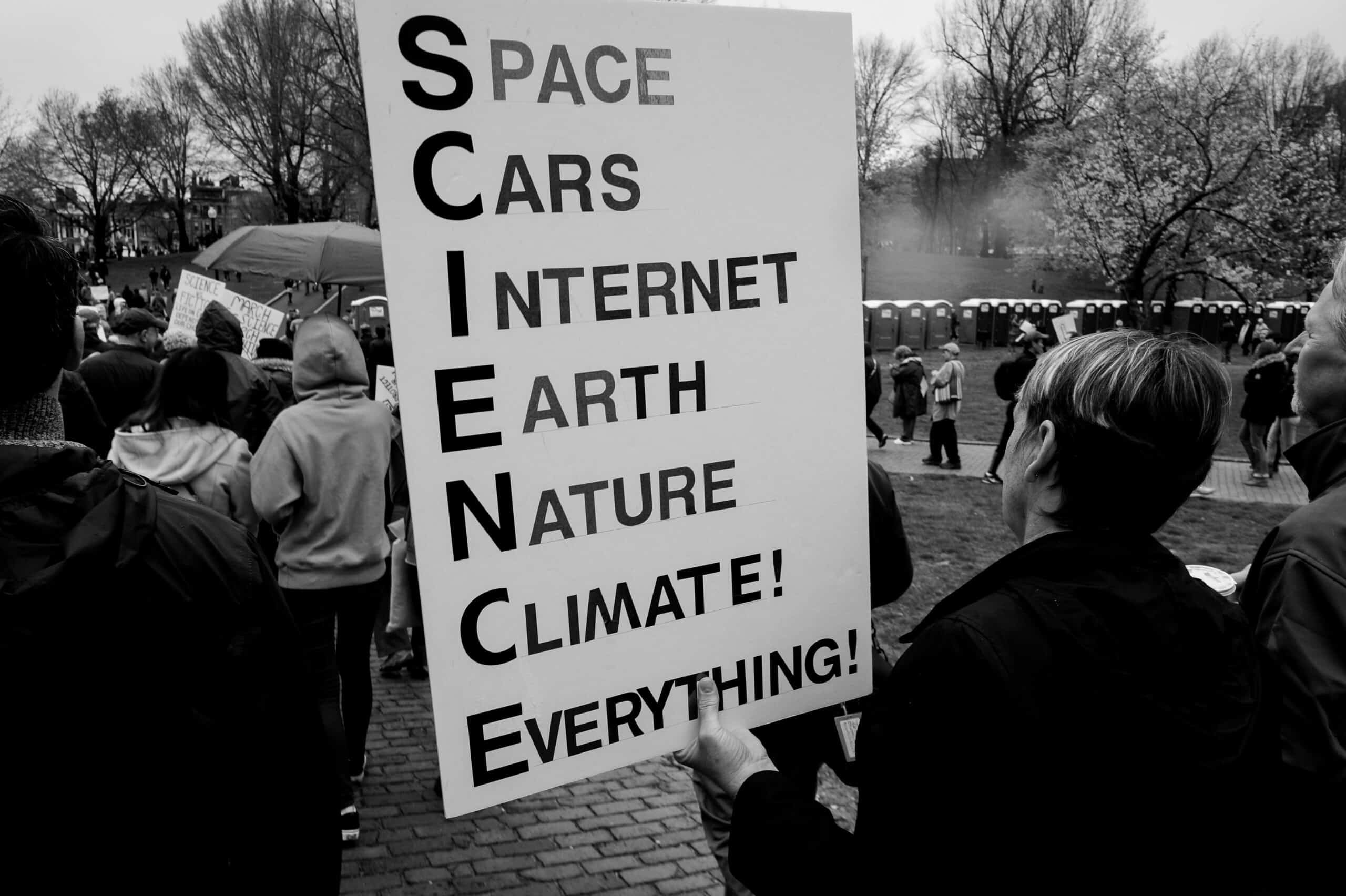
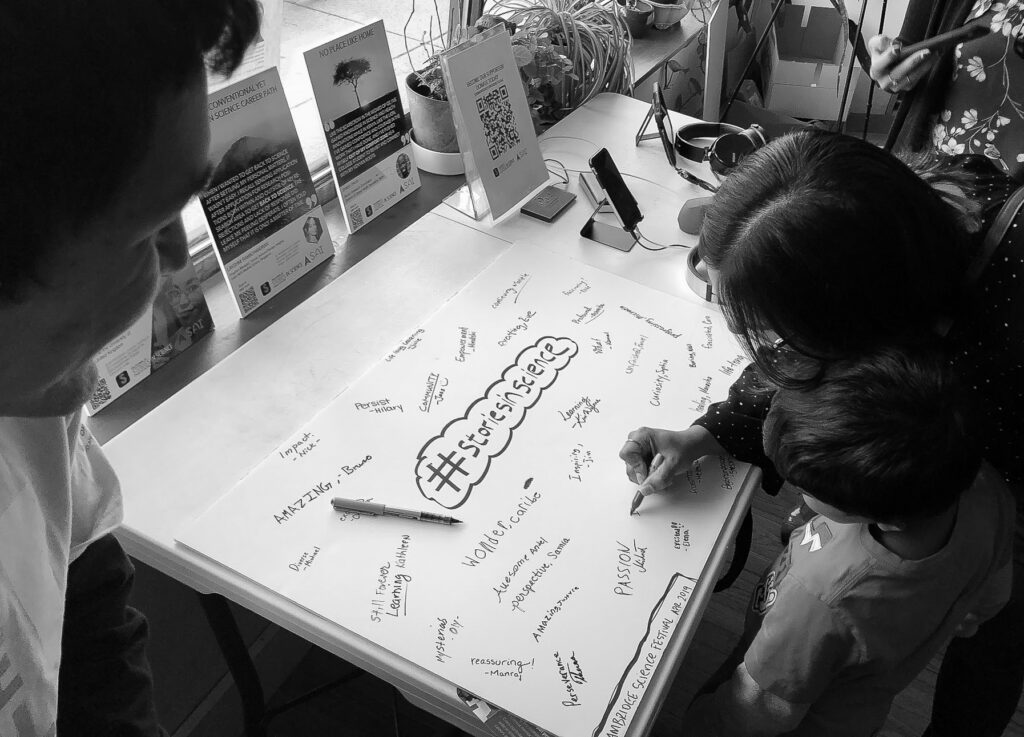
These photographs represent a small selection of moments that illustrate some of the categories civic science photojournalists might choose to focus on. These include spaces, gatherings, people, installations, ideas, impact, and so much more. Each category represents a point of interaction that offers moments for documentation and reflection. My vision is for this work to be showcased at science museums, scientific conferences, local art galleries, and other spaces where it could spark new conversations.
Behind the scenes
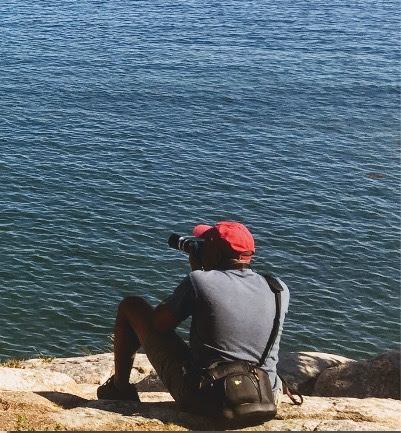
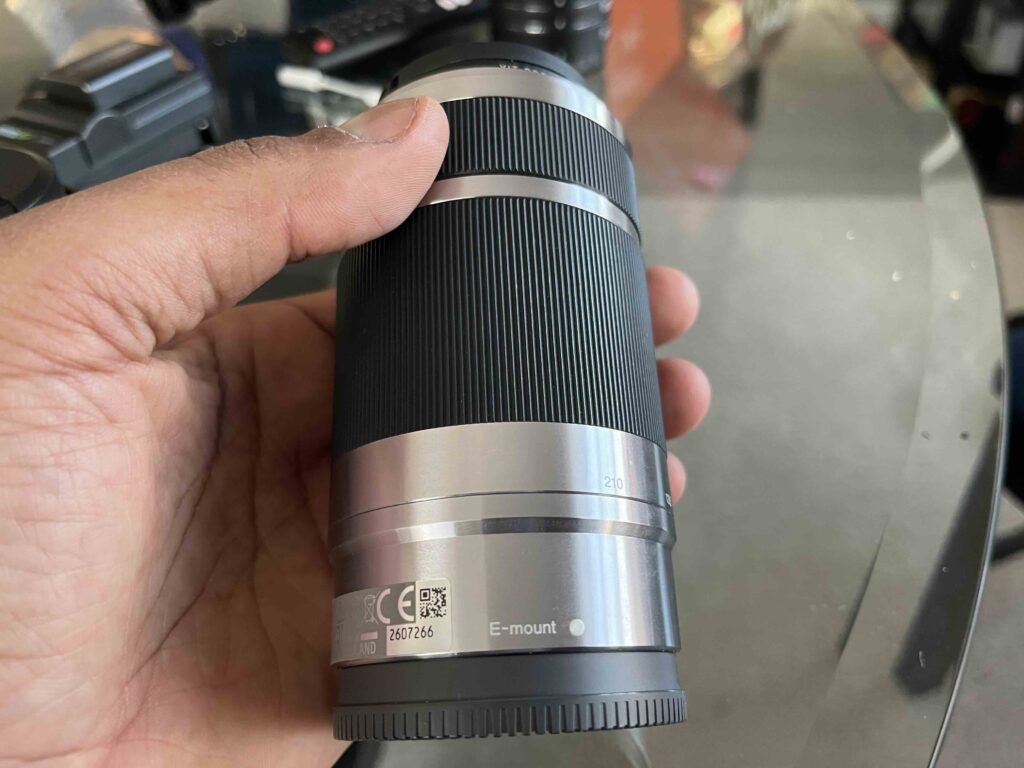
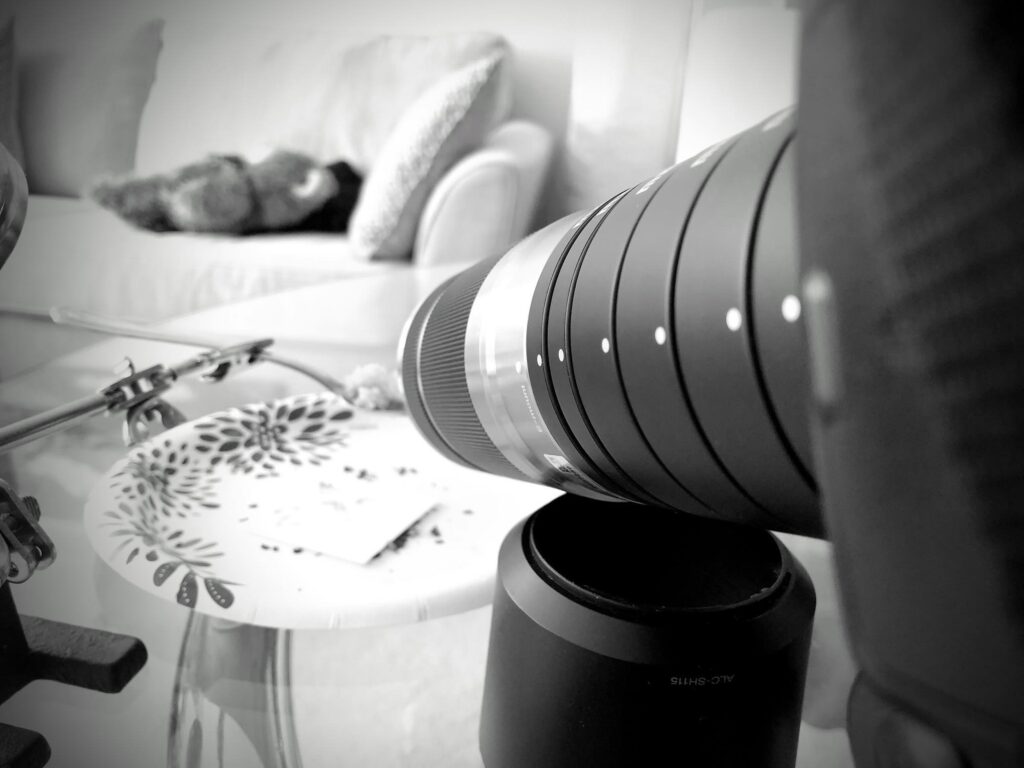
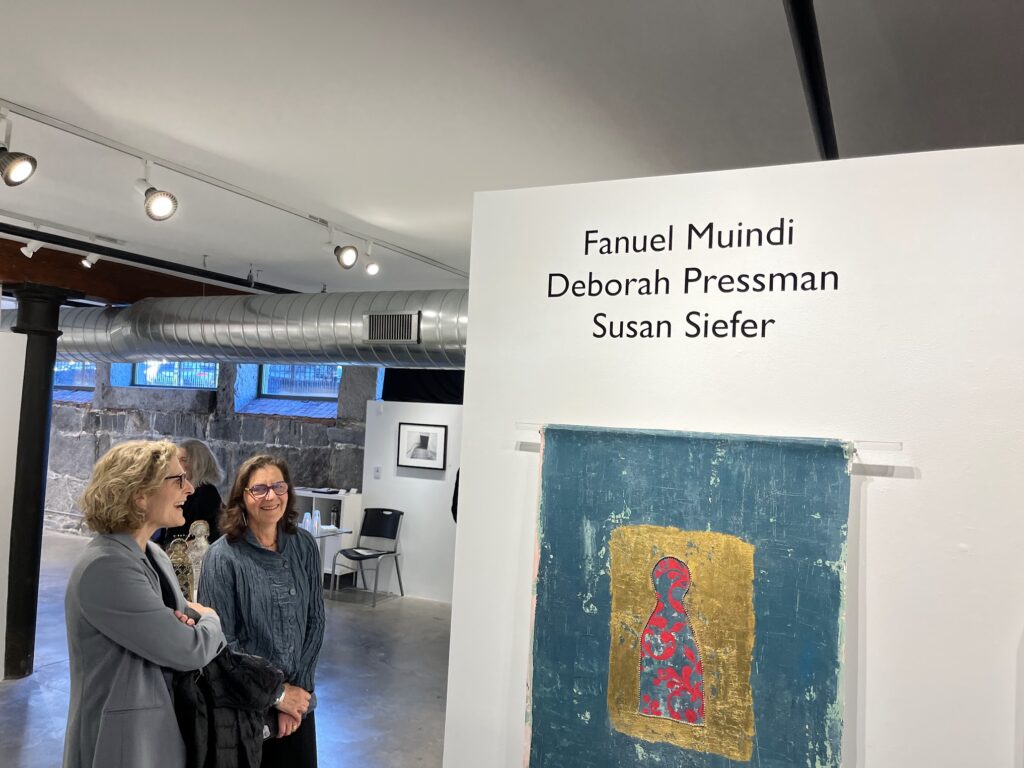
Most of the work is completed with my Sony Alpha a3000 ILCE-3000K 20.1 MP Mirrorless Digital Camera, but I also mix it up with my iPhone. The DSLR is quite old, relatively speaking and cumbersome to carry around, but it gets the job done. Over the years, I have upgraded the lenses to improve the quality of the photos. I currently shoot with the Sony SELP 18105G E PZ 18-105mm F4 G OSS lens. Below are some of the images behind the scenes.
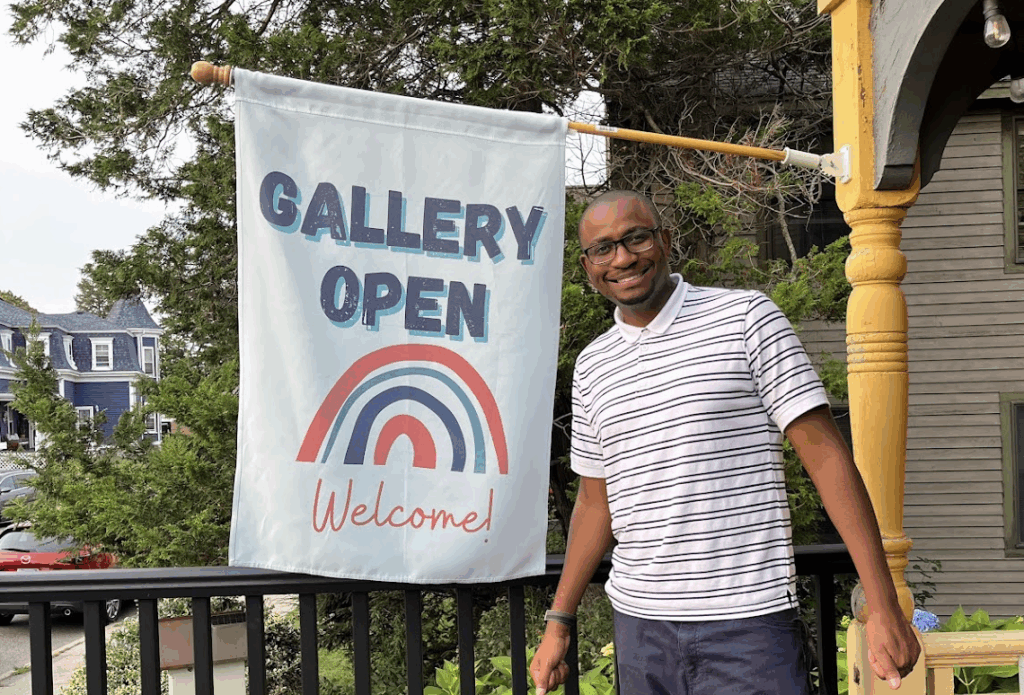

Fanuel Muindi is a former neuroscientist turned civic science ethnographer. He is a professor of the practice in the Department of Communication Studies within the College of Arts, Media, and Design at Northeastern University, where he leads the Civic Science Media Lab. Dr. Muindi received his Bachelor’s degree in Biology and PhD in Organismal Biology from Morehouse College and Stanford University, respectively. He completed his postdoctoral training at MIT.





In Michigan, a citizen science project tracking salamander migration is bringing a community together and building a dataset

“Science is something that we do together.” Benjamin Richards on how OceanEyes collaborates with citizen scientists to monitor deepwater fish in Hawai’i

Dear Colleagues: Participate in a survey on barriers researchers face when communicating with non-expert audiences

Research!America selects 17 grantees from 132 applicants for the 2026 Civic Engagement Microgrant cohort

Melanie Brown: “If you listen, people want to share things that are important to them.”
Dear Colleagues: Participate in a survey on barriers researchers face when communicating with non-expert audiences

Scott Loarie says conservation science isn’t moving fast enough. He describes how iNaturalist is helping

Photo Essay: 2026 Stand Up for Science New York City

MA3 Challenge awards grants to six universities to modernize promotion and tenure processes: Here’s the question of the day.
Research!America selects 17 grantees from 132 applicants for the 2026 Civic Engagement Microgrant cohort
“Science is something that we do together.” Benjamin Richards on how OceanEyes collaborates with citizen scientists to monitor deepwater fish in Hawai’i
Melanie Brown: “If you listen, people want to share things that are important to them.”

Abby C. King on leveraging local wisdom and science to create a thriving environment: “Our communities are the most valuable renewable resources for a healthy planet.”

Milky Way Project co-creator Grace Wolf-Chase says public engagement is ‘every bit as important as excellent scientific research’

Seeing is believing: Inside the BioBus revenue engine with Ben Dubin-Thaler
Contact
Menu
Designed with WordPress