
CSML Audio Studio
John Besley wants engagers to dig deep into the “Why” of science engagement
“It’s worth thinking about: Why do I want to build awareness? If I corrected misinformation or raised awareness or built this relationship, what do I think would be different in the world?” – John Besley
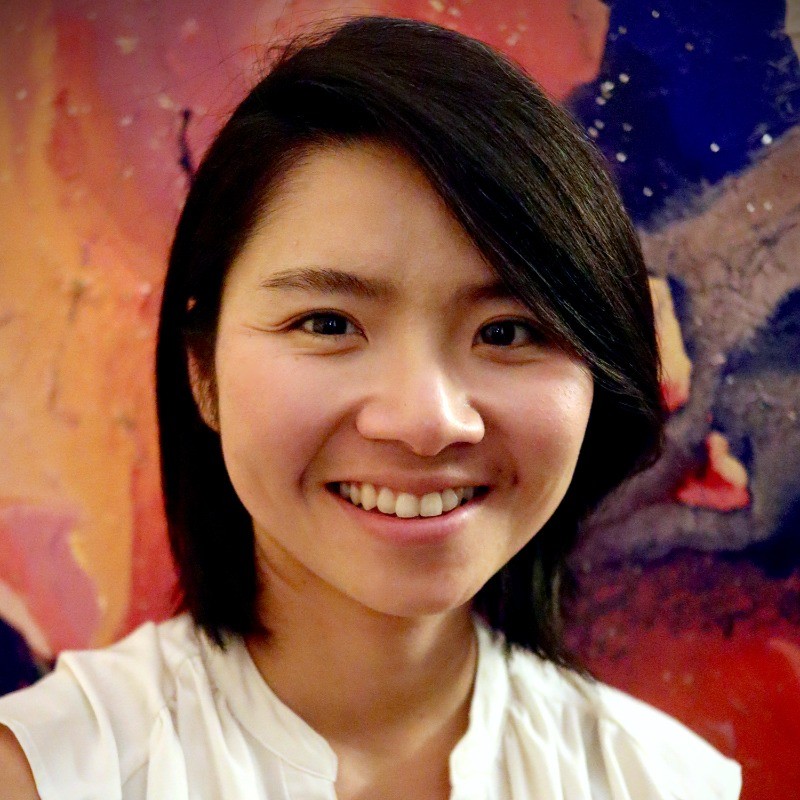
This is Science Engaged where we explore why and how scientists partner with diverse communities. I’m your host and co-producer, Kristel Tjandra.
In this episode, I speak with Dr. John Besley from Michigan State University, whose work focuses on public opinion about science and scientists’ opinion about the public. Besley is a co-author of the book Strategic Science Communication: A Guide to Setting the Right Objectives for More Effective Public Engagement and another open access book, published in 2025, called Science Communication for Scientists. Besley explains 3 key questions that help people decide whether they want to participate in a science project: Is it worthwhile? Do I have the means to do it? Are the scientists trustworthy?
This episode is made possible by support from Schmidt Sciences and the UC Santa Cruz Science Communication Catalyst Grant. Special thanks to Fanuel Muindi for co-producing this audio program.
Here is our conversation:
Kristel Tjandra: Welcome to Science Engaged where we explore why and how scientists partner with diverse communities.
John Besley: If you start wanting to put resources into it and justify putting resources into it, it’s worth thinking about well, why? Why do I want to build awareness? Why? What is it if I corrected misinformation or raised awareness or built this relationship. What do I think would be different in the world?
Kristel Tjandra: I’m your host, Kristel Tjandra, and today I’m joined by our guest, Dr John Besley, whose work focuses on public opinion about science and scientists’ opinion about the public. He’s a co-author of the book Strategic Science Communication, a guide to setting the right objectives for more effective public engagement. And he also has a new book that just came out called Science Communication for Scientists. Welcome John.
John Besley: Hi. Thanks for having me. I appreciate it. Yes, science communication for scientists, that is, that’s the new one we worked with Laura Lindenfeld at Stony Brook, as well as myself, Xia Zheng, Anthony Dudo, and Todd Newman. So this one’s more of a group, group effort that that first one was Anthony and I, and then, yeah, we have a cohort of authors for this new book
Kristel Tjandra: That’s exciting. So today we’ll discuss some of the factors that motivate people to take part in science projects, and think about what scientists can do to increase that participation. We know that involving the public in research projects, often called Citizen Science or participatory science, has many benefits for the economy and for the advancement of science itself. But a survey from the Pew Research Center in 2020 found that only one in 10 US population participates in citizen science projects. So John, knowing these statistics, when we consider why people choose to participate or not to participate in a science project. What are some of the factors that are in play?
John Besley: Yeah, I mean, one in 10 seems like a pretty good number to me. I mean, there’s everybody’s busy, right? We’re all we all have things to do. We have kids to take care of, we have family members to help out. We have friends that we need to build, maintain relationships with, and so the idea that one in 10 Americans is taking part in some sort of science activity is great. Of course, we always want it’s great when Americans, or when anyone around the world, gets involved in science in some sort of way. But in general, people take part in things because when they think it’s worthwhile, when they think that it’s something that people like them do, and when they think they they’re able to when they think like, which means like they have the skills to do it, or they have the time and the resources to do it. Of course, they also have to believe that the people they’re going to interact with when they do those activities are people they want to be around, which is to say they’re trustworthy, means like they’re caring and honest and competent and all those things together. I mean, that’s true for why people do take part in a citizen science event, that’s probably true, and that’s true for why people really do anything. Right?
Kristel Tjandra: How does science communication influence people’s participation or behavior, in this case?
John Besley: So, for me, so one of the fun things when I think about science communication way, I sort of changed how I think about it a little bit over the last bunch of years. I used to think more about like, oh, it’s communicating science. But now I think about it as communication in the context of science and so, so when I think about something like a citizen science activity, if I’m a researcher and I’d love to get some people involved, it’s, it’s, that’s, is that it’s science communication. For science communication, in a way, but it’s like, yeah, I have to think about, like, Okay, I want people to be involved. What can I say and do? That makes it more likely that people are going to be in people are going to be involved science. That sort of participation is just another type of behavior. It’s a great behavior for lots of reasons, but it is, you know, same thing. If I want somebody to come to a science event, right? Maybe it’s not a full science thing. Maybe it’s just coming to event, same sort of things. I got to believe that coming to that event is going to be worthwhile. They got to believe that, that event, they can get to that event, and that they can enjoy the event, and the people they’re going to meet are people they want to be around. And all those things all comes back to the same sort of principles.
Kristel Tjandra: Yeah, you mentioned about trust before. And when we talk about scientists engaging, interacting or partnering with the public, this word trust often comes up. Some of our listeners might wonder, you know, how do we build trust? What does it mean for our scientists to build trust with the community they want to reach?
John Besley: Yeah, and so I think that’s the key thing that when I think about this, is I try to think about really two concepts, right? We have the behavior of trust, and then we have the beliefs that make it more likely that people will do the behavior right? And so for trust is a behavior in the context of science, can be lots of things, right? So if I give up my time to go to your civic science event, or if I give up my time to go to your public lecture, or if I give up my time to go to your museum, I’m trusting that I’m going to get a positive experience, right? I’m the behavior like I’m I’m putting in my time, my resources, I’m making myself essentially vulner the language we use. I’m making myself vulnerable to you in some sort of way. And then it’s again, well, what makes it more likely that I’m going to be willing to make myself to take your advice, to go to your event? And so we do have the things that are. More typical, which is like, it’s got to be worthwhile going to the event, but when it comes to trustworthiness, we typically mean you got to believe that that the people that you’re going to interact with at the event, or maybe the people you’re going to take advice from, you have to believe they have some expertise, they have some sort of useful knowledge that they might be able to share with you. But then you also got to believe that they care about people like you. We use the language sometimes it’s called benevolence or goodwill, depending on the theory of trust you’re you’re building on. But functionally, it’s like think of you have to believe that those people have care about your needs and you as a person. And then the third sort of thing, or at least another sort of characteristics, is you have to believe those people helpful. If you believe those people are honest, have integrity. That’s particularly important. Often in some science contexts, we can extend that out. And there’s some other beliefs that might matter. You got to believe that the people it would be helpful, probably, if you believe that the people you’re going to meet, or the scientists are willing to listen, which is to say they’re open, they’re eager, not even just willing to listen, they’re eager to listen, and that they’re eager to to share the things that they know, but also eager to hear what the insights you might have and use them, and how they’re thinking. And the last thing is, it’s nice to know that they it’s a little less clear, but where it all fits. But it’s nice to know that maybe they share some some some things with you, some things around values, some shared identities, maybe whatever it is. But it’s often nice to know if, okay, these people aren’t so different than me and all of those things. The nice thing about all of those things, right? You can do things if you’re promoting event, if you’re hosting event, you can do lots of things that help people recognize like, okay, yeah, so this person has some expertise. Here’s what this person cares about, here’s why, here’s how I know that they have some integrity. Here’s some evidence here that they’re not just going to be talking at me, but they’re eager to listen and hear the kinds of things I have to say, and, oh, it turns out they’re also, you know, we share some things. We share some values. We care about some of the same things. Those are all things we can we can communicate. And they’re all theoretically and practically things that that build that trust, that increase the likelihood that people are going to trust you. Which is to say,
Kristel Tjandra: Yeah, you mentioned about, one of the examples being, when you’re promoting an event. Can you give me some examples of, you know, what has kind of worked in terms of people’s maybe, the way they market their events, or the way they tell people about themselves? Yeah, yeah.
John Besley: So this trade is, we don’t have a ton of spots, so it’s a thing I’ve always wanted to do more experiments on, like, how can I just make posters to see what, conceptually though I mean the things that I would I put make a poster when I want to make sure that I do is you want to make sure so, and I’m actually going to go beyond trust here. I’m going to think about just all the things we need to think about. All right, so I’m trying to decide whether I want to go to the event. So I need to know enough information so that I can make a decision about, okay, this is going to be useful for me. It’s going to be enjoyable and satisfying. So I got, I got to make sure there’s some content on there that makes, that makes it more likely that I believe, that I got to believe, I got to maybe know who it’s for, like, who’s which is to say, it sounds interesting, but who’s it for? Like, say, social norms, like, what kind of people are going to be there? Are they going to be and so that would be nice to know. It’d be nice to know a little bit about how feasible is it to go? What’s that cost? Something? Is there going to be parking? Is there going to be childcare? Is there going to be food? Like, it’s right at dinner. So you need to tell people there’s going to be food. And then, you know, you want information that help. Like, well, who are the Who are these people? Again? And go back to the trustworthiness stuff. Are these people that I can trust to give up an evening of my time, that they’re gonna, they’re gonna, I’m gonna get I’m gonna have an experience where, you know, I feel respected, and I feel and I learned something, and that, you know, from some expertise, and so all those things, again, it’s anything that you essentially trying to reduce the uncertainty of the person of like, okay, if I make this choice, it’s going to turn out well for me in terms of both like, in terms of being useful, but also in terms of being enjoyable, and in terms of like, the people I’m going to be around.
Kristel Tjandra: Yeah, knowing these principles, what are some of the ways scientists can learn about how people are perceiving them?
John Besley: Yeah, it’s kind of a bummer that like so, you know you talked about pew as you were starting out, and so there’s, and I was involved in for a bunch of years, working with the National Science Board on some survey work that they used to do every couple of years. But it’s a bit of a it’s unfortunate that the scientific community doesn’t typically have a ton of, like, like, really empiric, like, hard data on what people actually think about scientists and science, it would be great if we could find ways to get that in practice, though, you know, it’s part of it is thinking, is being a little bit reflexive, being thoughtful, especially over time, you can start getting a sense of like, okay, this is a community I want to have a relationship with. As a community I might want to, you know, build, build some trust with, what do I know about what they think. Do I know? You know, in If so, if my topic is, well, so like, so my for my work, right? So I’m interested in helping science community, science communicators become more effective and so over time, one of the things that I’m trying to learn, it’s like, well, what do they think of are the benefits of different approaches to science communication? What do they think is normal for science? Community areas, and so I’m just, what do I think is? What do they think? What do they think is feasible? And so against these same concepts again, but now I’m not thinking about it as, what can I share as information? But I’m thinking about, well, what do I know about how they’re thinking that can help me make choices going forward? But they’re the same concepts. I’m just trying to I’m trying to understand. It’s like, I want to know what they or I want to understand, what they understand. Or it’s that kind of same concepts, though it’s, it’s, we’re trying to figure out what, what they why they make, the choices they make. And the nice thing about theory is that it can help us think about some of those things in sort of systematic ways, right?
Kristel Tjandra: Yeah. So, through your research, what have you seen as the major hurdles in terms of communicating science and motivating people’s behavior?
John Besley: Yeah, I mean, I think so in the science communication, the thing that we’ve sort of tried to address through through our books and our work, is trying to get people to think a little more deeply about why they’re communicating a lot of people what a lot of you know, when you first get into doing science communication, it’s really easy to think into like, well, I want to raise awareness, or I want to correct misinformation. Sort of this, sort of, I want to tell stories, and I want to build relationships. And I think if, when you start getting into it, you start and you start wanting to put resources into it, and justify putting resources into it, it’s worth thinking about. Well, why? Why do I want to build awareness? Why? What is it if I corrected misinformation, raised awareness, or built this relationship? What do I think would be different in the world, and once you can figure out which we would talk about here, and not just thinking about, I’m going to communicate with the public, but it’s like, who do I want to have a really, who specifically do I want to have a relationship with? Who do I specifically want to share information with or hear from when I’m making decisions? And so really, being really specific about what we could say, audience-specific behavioral goal, which sounds kind of it sounds. And so we can think about this audience-specific behavioral context, if that makes it sound nicer, but it’s like knowing that, okay, no, I’m producing research on how to communicate effectively, and I would like research community science communicators to consider that evidence when they make decisions about how to communicate, right? And so that consider the evidence around effective communication when they communicate. That’s what I want people to do. And also, of course, I’m also always trying to figure out, how can I do better research? And so it’s the two way things for me come like I’m trying to change my behavior, be a better communicator, better researcher. But, yeah, I’m trying to share ideas about I that I think might help other people be a better communicator. If you’re so I work with astronomers and like, we’d like, you know, you go in and their initial goals are, well, we want to, we want people to experience the awe and wonder of astronomy, which, which is cool, is a great place to start. But we just were saying, Well, if you were successful involved in getting people to get that sense of on wonder, what do you think would would happen like well? And so you can sort of have that conversation. And one of the things you get to is, well, they want, you know, I think kids, for the kids, might consider a STEM career. They experience that on wonder. And then we can say, Okay, well, your goal isn’t on wonder, your goal, your audience, specific, behavioral context. Behavioral goal is really about you want kids to consider a STEM career now on wonder might be one piece of that, but if you’re trying to get a kid to consider a STEM career, they also need to believe that pursuing a STEM career is worthwhile and normal and feasible, and that the people they’re going to be around are trustworthy, and so we also need to make sure that we can use that on wonder, and we can explore whether on wonders is a really good sort of thing to share. But we wouldn’t want to just do on wonder. We wouldn’t want to sort of right. We want to say, okay, but in addition to doing on wonder, what can we say about is there a way we can talk about how STEM careers are are really satisfying, and the people you around are really interesting, and that, yeah, there’s other things we can communicate. People aren’t on wonder. All that to say. People get stuck on often, start their communication path with, I want to hear. I have a solution. All in wonder. I have a solution. Correct information. I have a solution. I’m going to do a podcast, and they don’t push themselves, but I don’t need a podcast gonna happen.
Kristel Tjandra: So, yeah, it sounds to me that the common pitfalls is that people don’t peel deeper into the why of science communication. Why do we want people to participate? Is that right?
John Besley: Yeah, that’s right, Anthony, my colleague, Anthony, often talks about, like, you know, like, pull back that onion, right? Like, why are we doing this? And and getting to a point where, like, oh, yeah, we can, and I can now justify putting my time to this, because, like, well, here’s the impact I’m hoping to have. And of course, you have to do that in a super it’s, it’s, no, there’s a big difference. I think there’s a big difference for saying My goal is to make people vaccinate their kids, right? That’s really prescriptive, versus, like. I’d love for people to consider the science when they make decisions about whether to vaccinate their kids. It’s the same sort of thing, but it’s just a different, different sort of mindset of like, I’m not I’m not telling you what to do, but I’m sharing some information in the context, the behavioral context of you making a decision about vaccination. Here’s some stuff. You might consider knowing, and it’s not, here’s how vaccines work. It’s, you know, maybe it’s, here’s the benefits of vaccines, and here’s some of the risks of getting vaccinated and not getting vaccinated, and here’s what other people are doing when it comes to vaccination, and here’s what you need to do if you wanted to get vaccinated, and it’s not that hard. And here are the people who are working hard on all the vaccinations, and why you can trust them, that you can share information, figure out what in knowing that the behavioral context is like, I want people to consider the science around vaccination. I can now thinking more broadly about, well, what kinds of things might, might I share that isn’t just here’s how, here’s what a spike protein looks like, right?
Kristel Tjandra: Yeah, that’s a really helpful framework to think about. So can you offer some tips for scientists want to design a science project that involves the public? How do we cultivate that right mindset?
John Besley: Yeah, so the first thing I want to say is, so one of the things, another thing that we see sort of mistake people make, maybe in science comp, is thinking it’s like, DIY, everybody go do it yourself. Versus the first thing I would say is, if you think there’s a thing that you’re interested in, see if there’s other people around you who share that interest; communication is going to be a lot more effective. But like the communication we’re interested in is like the sustained, long-term building, sharing ideas and information, and receiving ideas and information, where it’s a long-term process, and it’s really hard to do that as an individual. It’s hard to find the resources. It’s hard to find the time, time as a resource, but and so the first thing is see if there’s other people around you who share, share your priorities, and then, and part of that might be a communication expert, somebody who has a little more experience in the space and can help you with that sort of strategic process, all that being then from there, it really is, I think. So on one hand, there’s absolutely dive in, do stuff. It can be fun, and you can build some skills, you know, making try to make sure that you have you’re giving people. I mean that fundamentally, if you’re giving people a positive experience with science, that’s not a bad thing. But as you get more into it and start really, they’re pushing yourself to think through, like, Okay, well, I’m a scientist. Let’s think scientifically about what I’m doing here. Let’s, let’s, let’s, you know, which includes the team science, which includes the let’s think through each step and think about how we can we can iterate and improve and know where we’re going, and that sort of systematic thinking that’s so natural to science, we can bring some of that over into how we communicate in the context of science, right?
Kristel Tjandra: Yeah, and of course, some of the best projects are actually projects that run for multiple times or are not just a one-off project. And so one of my questions, one of the questions that I have, is, you know, once we’ve designed a project, what are some practical ways to make sure that we can evaluate or strategically learn from it and create future projects that are even more effective?
John Besley: Yeah, feel like that. Sometimes I feel like a broken record. But like, so, if they, if you’ve been really careful about setting it up so you know what, you’re so, like, if you say, I want kids to choose a STEM career is your goal? That’s really tricky, right? Like, that’s a really long-term goal. You’re not gonna and then we can break that goal down into something like, I want kids to take an AP STEM course in high school, or I want kids to sign up for this STEM camp, or I want kids to go to this museum. So we can make like more smaller, sort of shorter-term goals, and maybe we can start to measure those. But if you just think about like, okay, if I’m having a science event, science talk Festival event, and I’ve said that, okay, I want people to feel like science is enjoyable and useful, and I want them to feel like it’s something that they’re able to do, and it’s something that the people who are involved in science are trustworthy. I can then do an evaluation that’s like, Hey, you just experienced a science event. Did you do? Did you find it useful? Did you find it interesting? I can do an evaluation like, hey, the people you interacted with, to what degree did they seem like they cared about people like you? To what degree do they seem open and willing to listen to people like you? To what degree did they seem like they’re people with deep integrity? To what degree did they seem like they have some expertise we can evaluate all those things that we think cognitive and affective objectives, really, with that first book that strategic science communication was about, those are all things that you can can design into your communication, and then if you there are also things that you can evaluate against in the shorter term, yeah, especially those trustworthiness ones, are great things for this. So many evaluations we’ve looked at are like, how satisfied you were, you with the event, right? Doesn’t it’s fine. There’s nothing wrong with that, but it doesn’t really tell you what to fix. You want to know is like, did the speaker? Was the speaker interesting? Was the speaker? Did the speaker seem to care about you? Was the speaker seem to have expertise? Because now we can, did you learn something useful? I mean, nobody there’s we got to think about like, Well, don’t just get the overall evaluation, get their specific beliefs about how they experienced it. And thinking about, well, if I got a certain answer, would it help me make a future decision, right?
Kristel Tjandra: Yeah, if you can sum up some of the key takeaways for scientists who want to increase the public’s participation in research, what would that be give
John Besley: So one is give them a good reason to do it, right? So it’s the people do things because they think it’s going to be beneficial. And it’s worth thinking that beneficial doesn’t always mean useful. That’s one type of benefit we really think about. There’s also it’s going to be enjoyable, right? That’s going to be kind of good, and which is fun. We can sometimes do that. Probably even more, though, is this idea of satisfaction, you demonic benefit, which sounds silly, but, but this idea that, like, we don’t just do things because they’re we don’t go for a jog because it’s fun to go for a jog, right? We go for a jog because it feels good, right? It feels it feels good to have done it. It feels good to have read a hard book and to work through a thing. And so the degree to which people we can give people these sort of satisfying experiences, all which all sort of fits into that benefit space. And then we just and, you know, things, we want people to do stuff. We go to that efficacy, self efficacy idea, make it, make sure they know what it that they can do it right. Like, oh, I can’t do that. You don’t want somebody saying, I can’t do that. I’ll never be able to help no, like, they have to believe that they can do it. And that can be about making changing the activity to make it easier, or can be about making sure you know we’re going to provide the training. Or it can be about like, communicating like, No, this isn’t that difficult. You can, you can do this. People like you do this, which is also the other one, the middle one, right? Like, you can communicate that, yeah, this is a an event that lots of people like you come to, and it’s what’s so we can, we can communicate those things. But I fundamentally, there’s like, make sure people believe it’s going to be satisfying and possible it’s feasible that’s always going to get people there. And then you know that stuff around who’s going to be there? And of course, like, the degree to which you can say, like, the people who are going to be there are people you want to be around is not a bad thing.
Kristel Tjandra: That’s very helpful to think about. Thank you so much for your insights. John, before we end our conversation, can you tell us more about what your recent book is about, and how can people follow your work?
John Besley: Yeah, so the recent book, it just came out, is where it’s five of us, where our first book was really about, sort of really focused on the different objectives that you can pursue through communication. Once you figure out your goals, this new book is a lot. It’s more a traditional, semi traditional textbook. And so it starts out with some of that strategy stuff, but then it really gets into each chapter. Most of the chapters after a book, chapter three, are chapters about, you know, if you’re how to take these ideas into writing, how to take these ideas into, you know, creating audio visual materials or organizing an event. Another fun thing about it is we had some really generous foundations support some of the work, Kavli Foundation, the Rita Allen Foundation, the Brinson Foundation, and so it’s actually available online, open access. It’s through at Routledge, but you go to the Routledge page, there’s a link there to the book, and it’s open access, which we really appreciate and and we’re in the process of building out, building out some sort of additional materials that will support the book. And then finding me is really easy. I’m on LinkedIn. I have lots of fun science communication conversations on LinkedIn. And just, you know, I’m a professor. I’m easy to find. I’m always eager to hear, you know, people’s sense of what the kind of research they need, the kinds of research that’d be helpful, the different ways we can communicate about that research that would be more helpful. We’re really eager to make sure that we’re doing research that’s that’s interesting and useful. Great.
Kristel Tjandra: I’ll be sure to check out that new book, and thank you again for being in the show.
John Besley: I’m happy to be here. I really appreciate the time, and yeah, I look forward to chatting with everyone
CREDIT
This episode is transcribed using Otter.ai
The podcast features soundtrack by Lukas Got Lucky / Success Story / Courtesy of www.epidemicsound.com




In Michigan, a citizen science project tracking salamander migration is bringing a community together and building a dataset

“Science is something that we do together.” Benjamin Richards on how OceanEyes collaborates with citizen scientists to monitor deepwater fish in Hawai’i

Dear Colleagues: Participate in a survey on barriers researchers face when communicating with non-expert audiences

Research!America selects 17 grantees from 132 applicants for the 2026 Civic Engagement Microgrant cohort

Melanie Brown: “If you listen, people want to share things that are important to them.”
Dear Colleagues: Participate in a survey on barriers researchers face when communicating with non-expert audiences

Scott Loarie says conservation science isn’t moving fast enough. He describes how iNaturalist is helping

Photo Essay: 2026 Stand Up for Science New York City

MA3 Challenge awards grants to six universities to modernize promotion and tenure processes: Here’s the question of the day.
Research!America selects 17 grantees from 132 applicants for the 2026 Civic Engagement Microgrant cohort
“Science is something that we do together.” Benjamin Richards on how OceanEyes collaborates with citizen scientists to monitor deepwater fish in Hawai’i
Melanie Brown: “If you listen, people want to share things that are important to them.”

Abby C. King on leveraging local wisdom and science to create a thriving environment: “Our communities are the most valuable renewable resources for a healthy planet.”

Milky Way Project co-creator Grace Wolf-Chase says public engagement is ‘every bit as important as excellent scientific research’

Seeing is believing: Inside the BioBus revenue engine with Ben Dubin-Thaler
Contact
Menu
Designed with WordPress