
Civic Science Observer
After School Science: Wild New York City — BioBase Harlem in pictures
BioBase Harlem is a BioBus-operated lab that hosts school groups and after-school programs, offering hands-on science sessions with microscopes and other lab equipment for students in grades 3 through 12. Opened in 2017, the space is located on the ground floor of Columbia University’s Zuckerman Institute and also serves members of the public. I visited an event titled “After School Science: Wild New York City!” on February 4, 2026, where I observed the program firsthand.
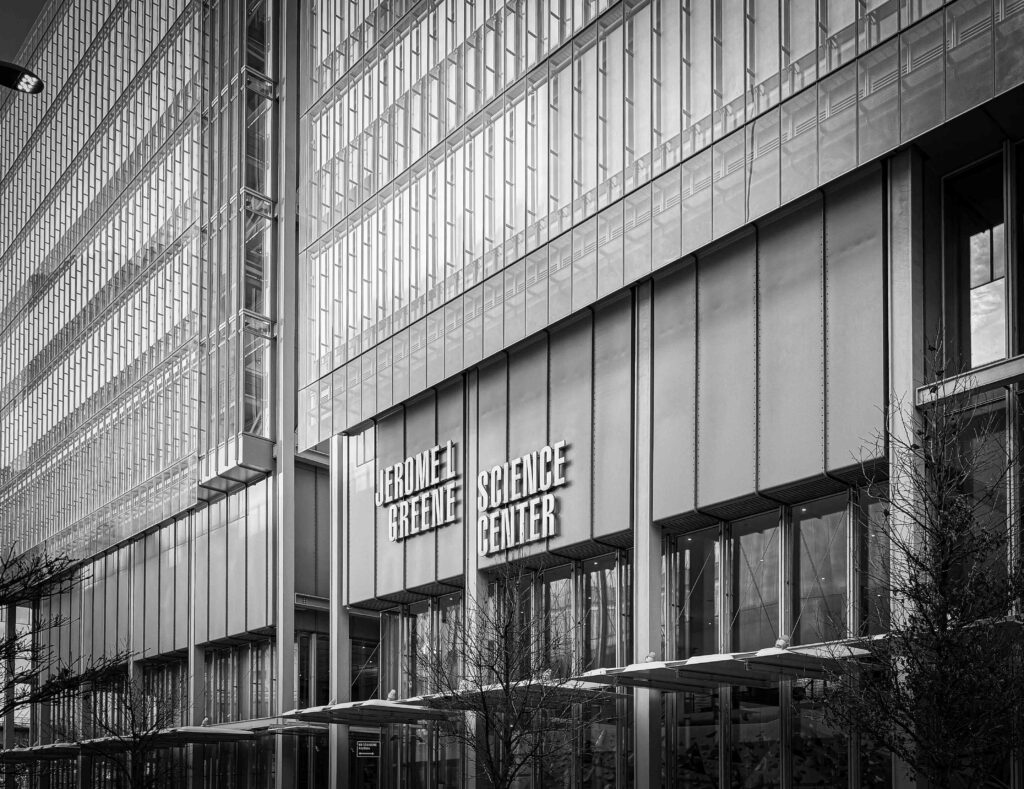
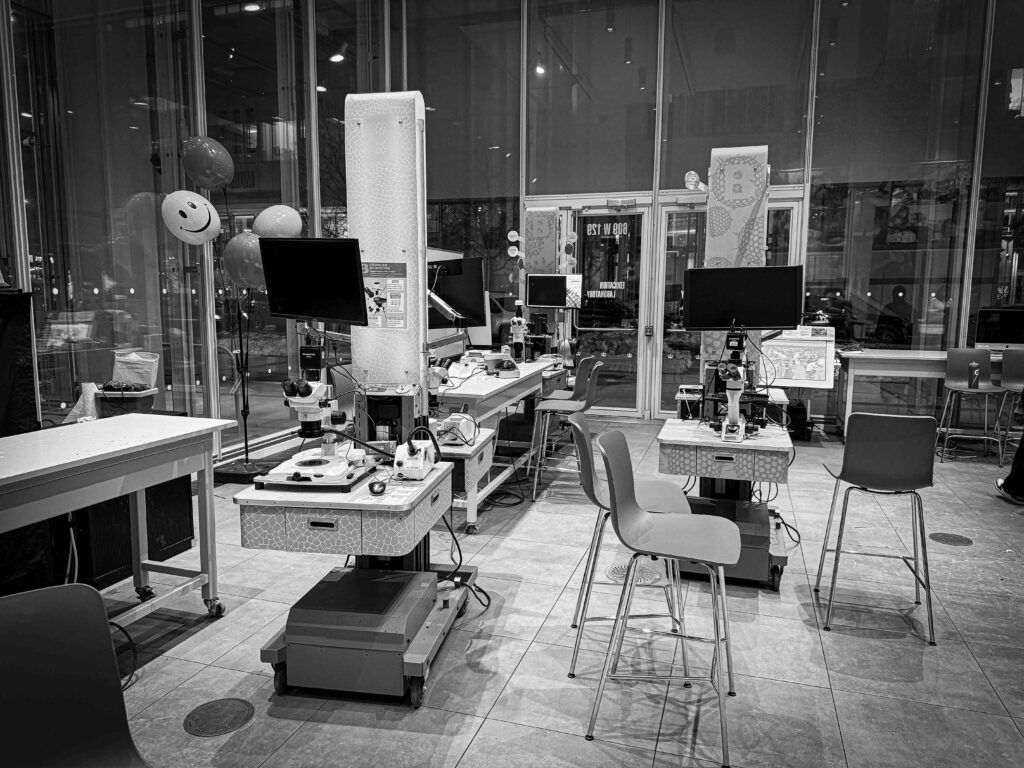
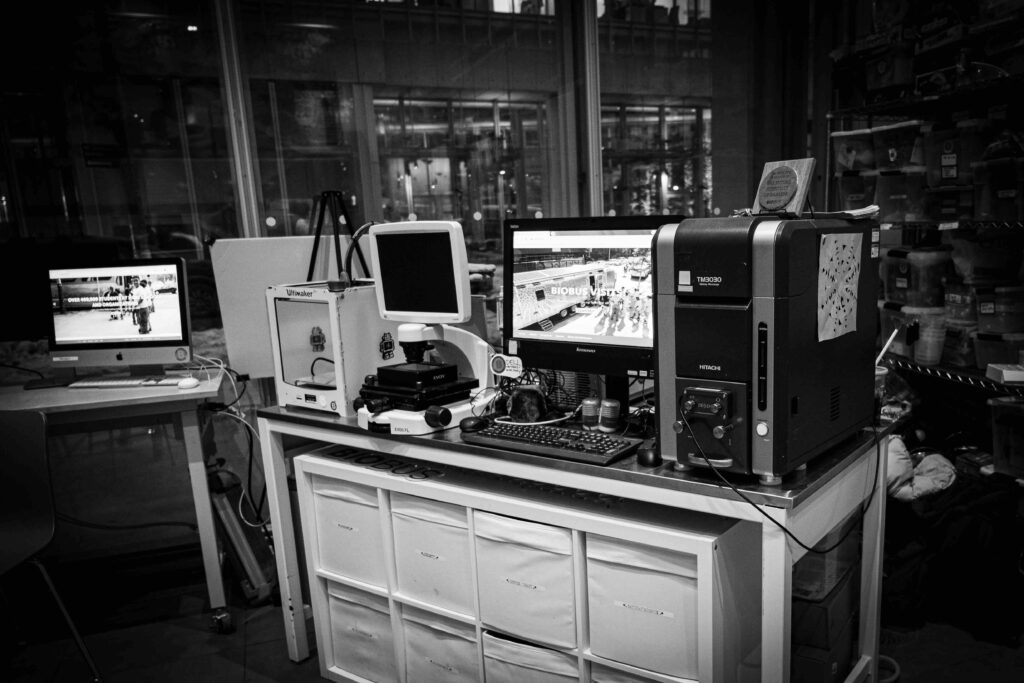
Students and members of the public have access to a range of lab equipment typically found in research laboratories but not commonly available to the general public. CSML Images//Fanuel Muindi//Feb 4, 2026
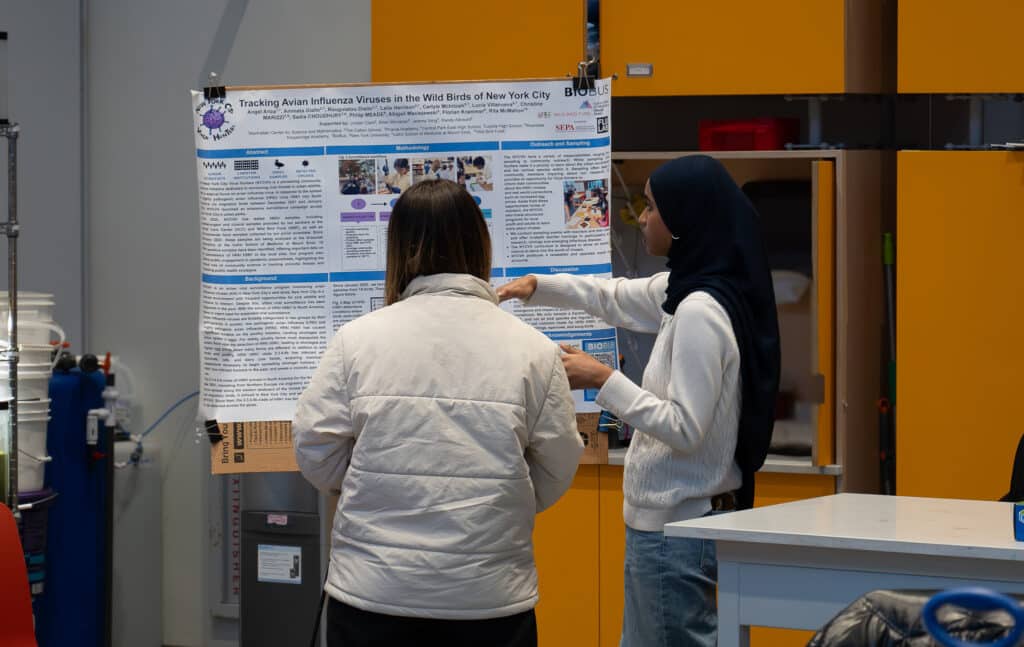
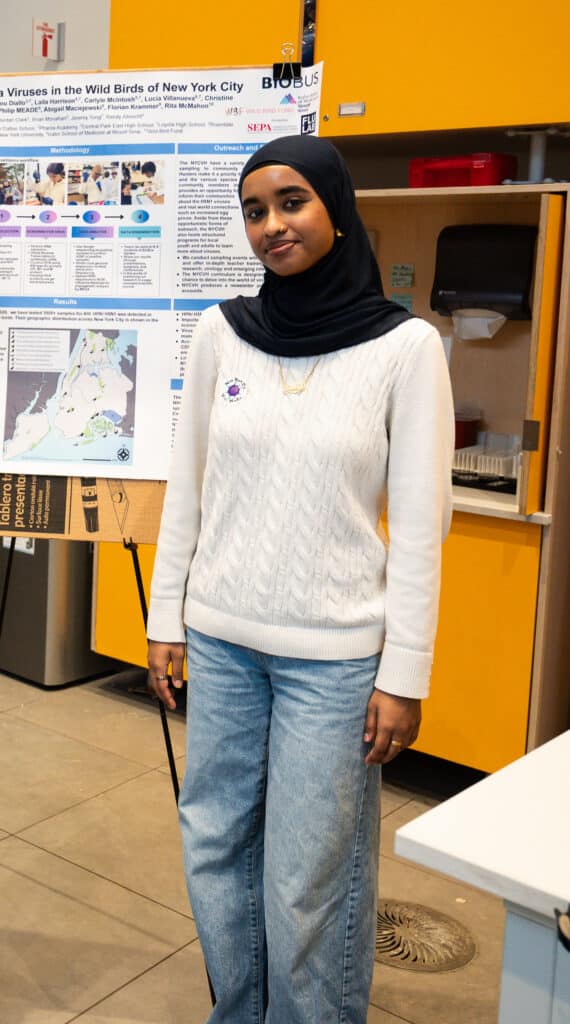
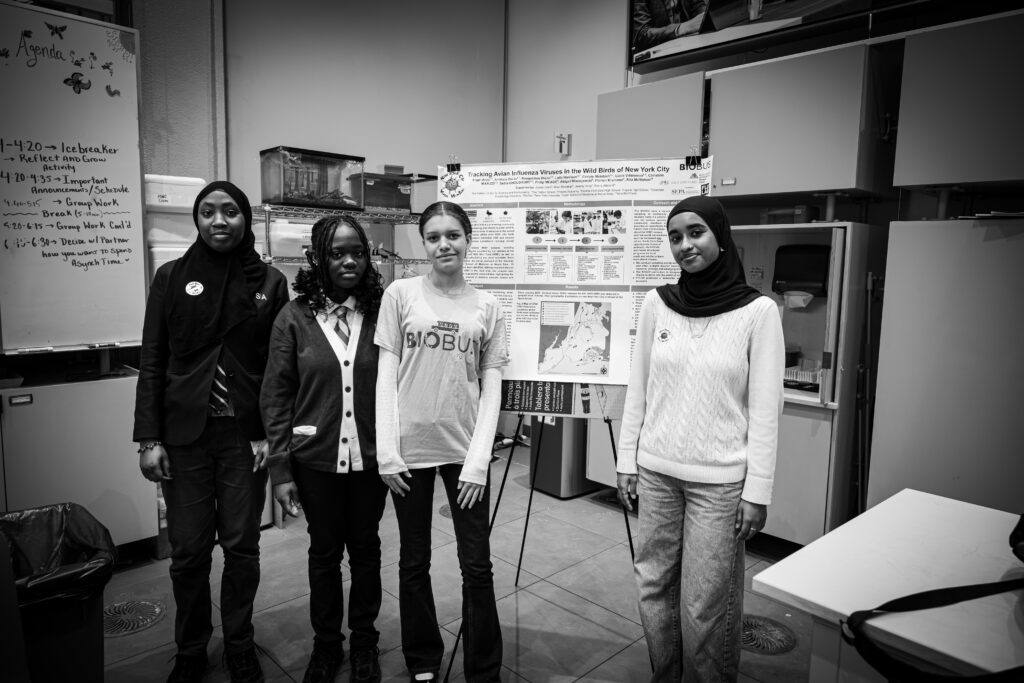
I spoke with Sadia Choudhury, a pre-med student at New York University and near-peer mentor for BioBus’ New York City Virus Hunters, as she presented her research via a poster on tracking avian influenza viruses in wild birds in New York City. Choudhury first encountered BioBus as a student when its mobile lab visited her school. “I remember BioBus… coming in front of my elementary school,” she said. Now working as a mentor in the program, she described the experience as “full circle,” adding, “I never assumed that I would come back and work here, and I do now.” Reflecting on the students she works with now, she noted, “They actually want to be here… they have fun learning… and they actually want to sit down and ask us more questions.”
What stood out to me was the presence of the poster itself, which provided a way for members of the public to encounter ongoing research being conducted within and by the community, while also giving those involved, such as Choudhury, an opportunity to present and communicate their work.
CSML Images//Fanuel Muindi//Feb 4, 2026
“They [Biobus mentors] were the ones who showed me the different options of what I can do in science.”
Sadia Choudhury
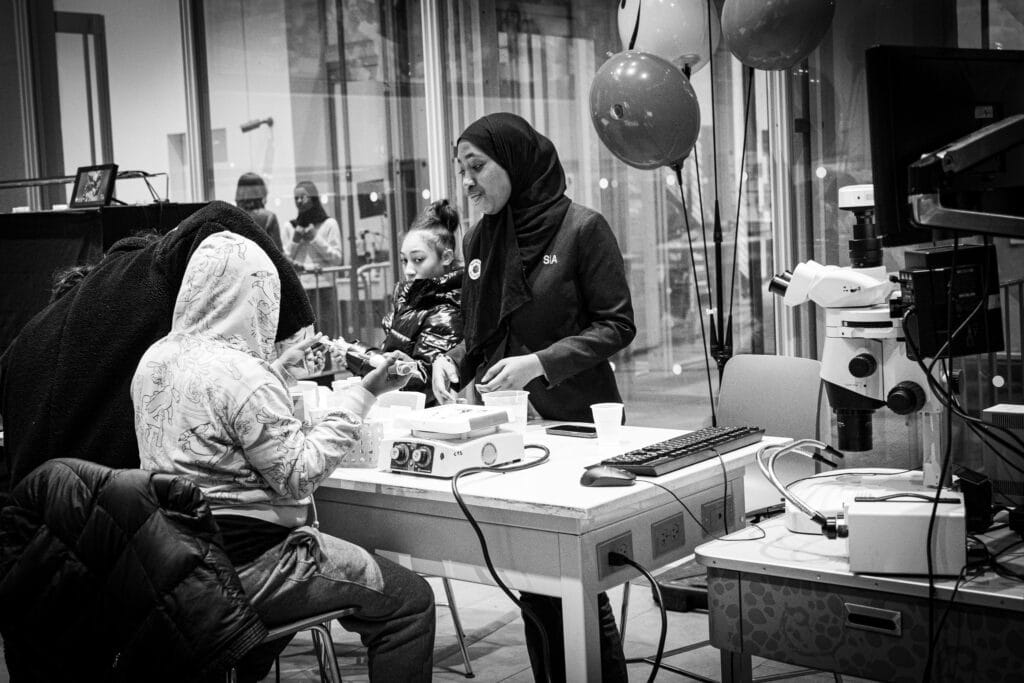
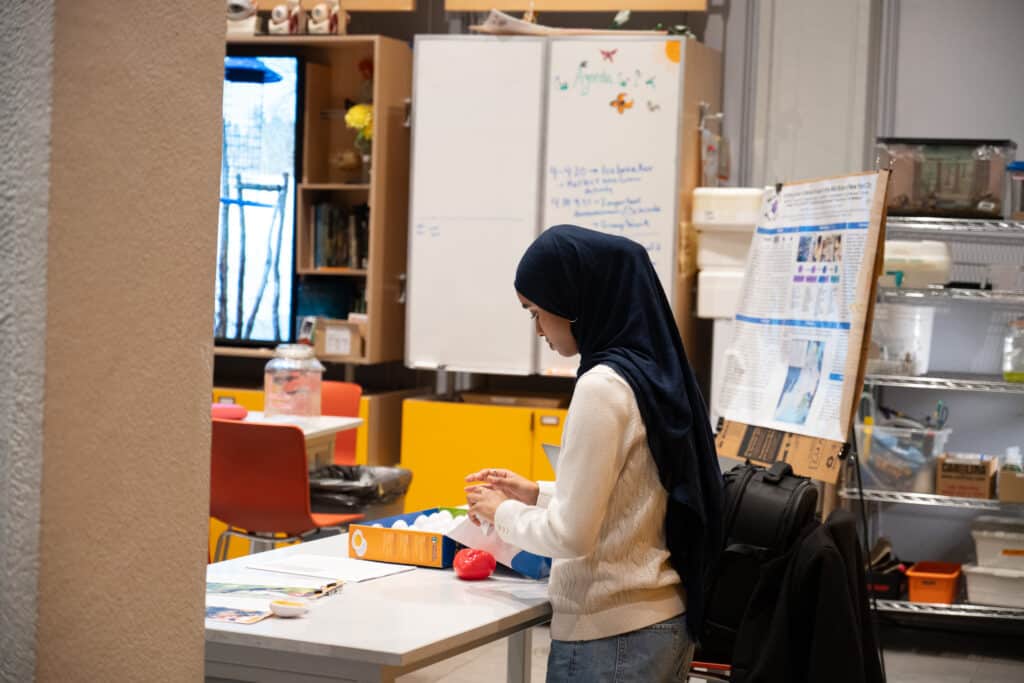
A student volunteer demonstrates pipetting at one of the stations. She said she first learned the technique through BioBus and now shares it with others. CSML Images//Fanuel Muindi//Feb 4, 2026
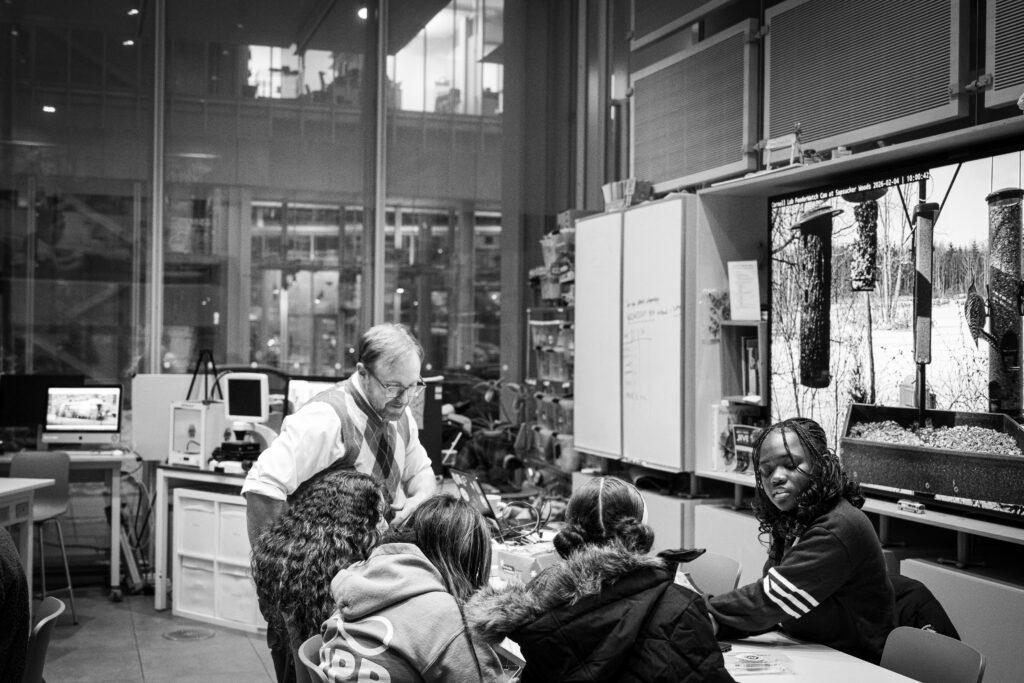
Robert Frawley, Lead Community Scientist at BioBus, assists a BioBus student volunteer (far right), as groups of students stop by one of the stations. In the background, a live video feed from the Cornell Lab Bird Cams is also on display for attendees. CSML Images//Fanuel Muindi//Feb 4, 2026
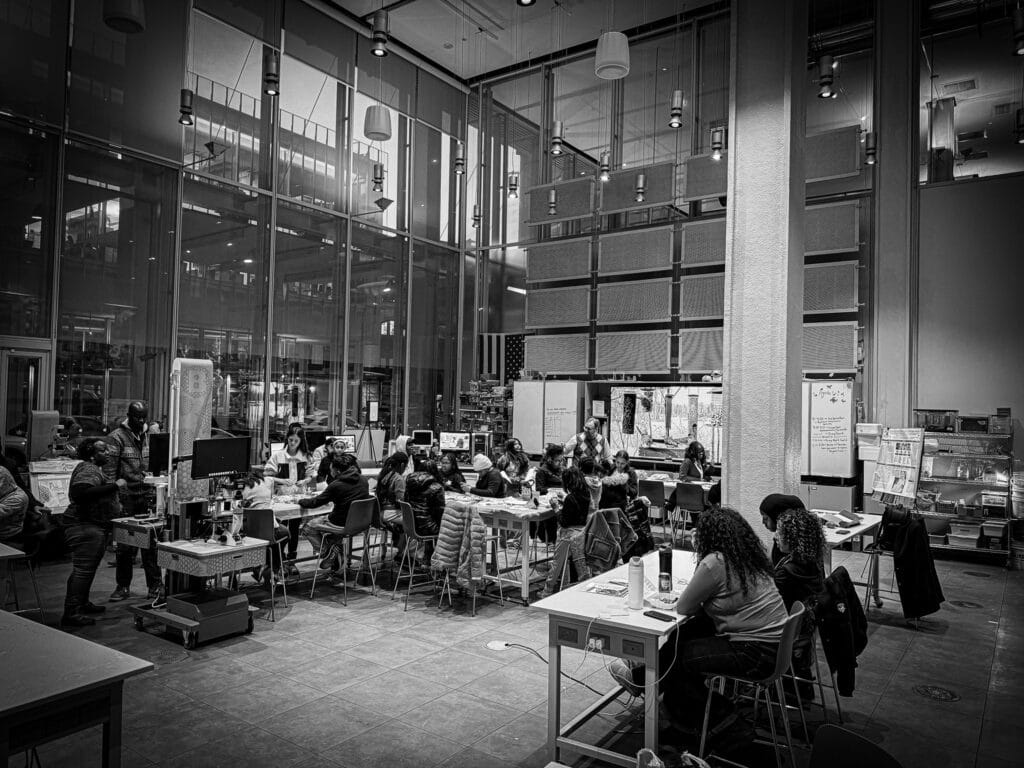
By this point, the event is in full swing, with students gathered across multiple stations inside BioBase Harlem. In addition to middle and high school participants, members of the public were also present, using the equipment alongside students. Executive Scientific Officer Latasha Wright (bottom left) said some events they host in the space draw enough interest to form a line outside the door. CSML Images//Fanuel Muindi//Feb 4, 2026
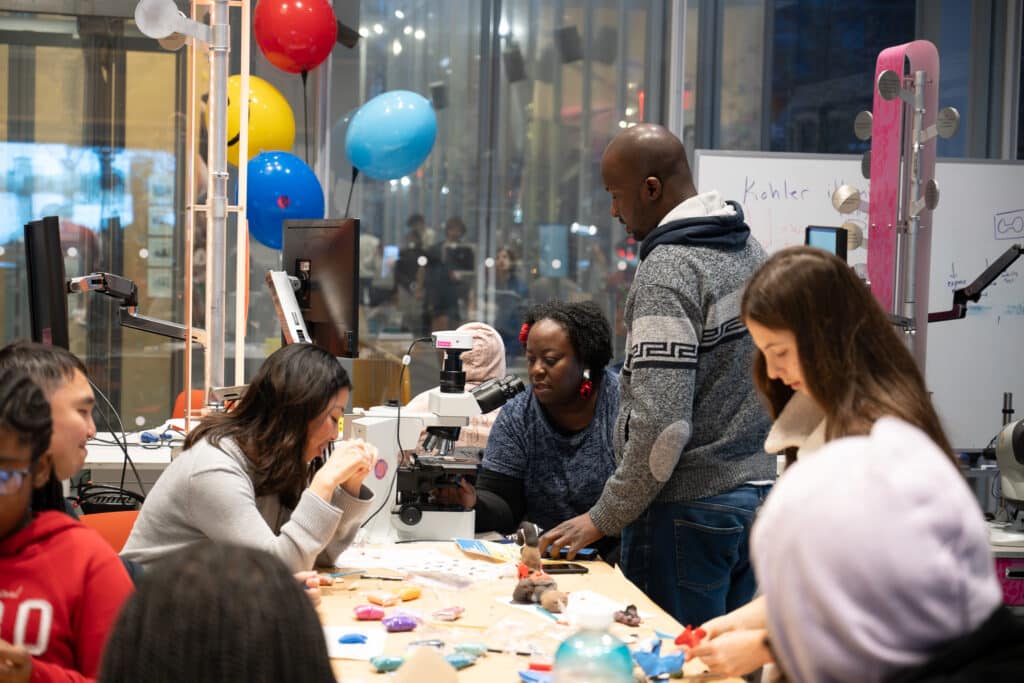
Biobus’ Executive Scientific Officer, Latasha Wright (center), helps a member of the public (standing) troubleshoot one of the microscopes. Wright told me that some BioBase events are open to adults as well, but registration, which is free, is required. CSML Images//Fanuel Muindi//Feb 4, 2026
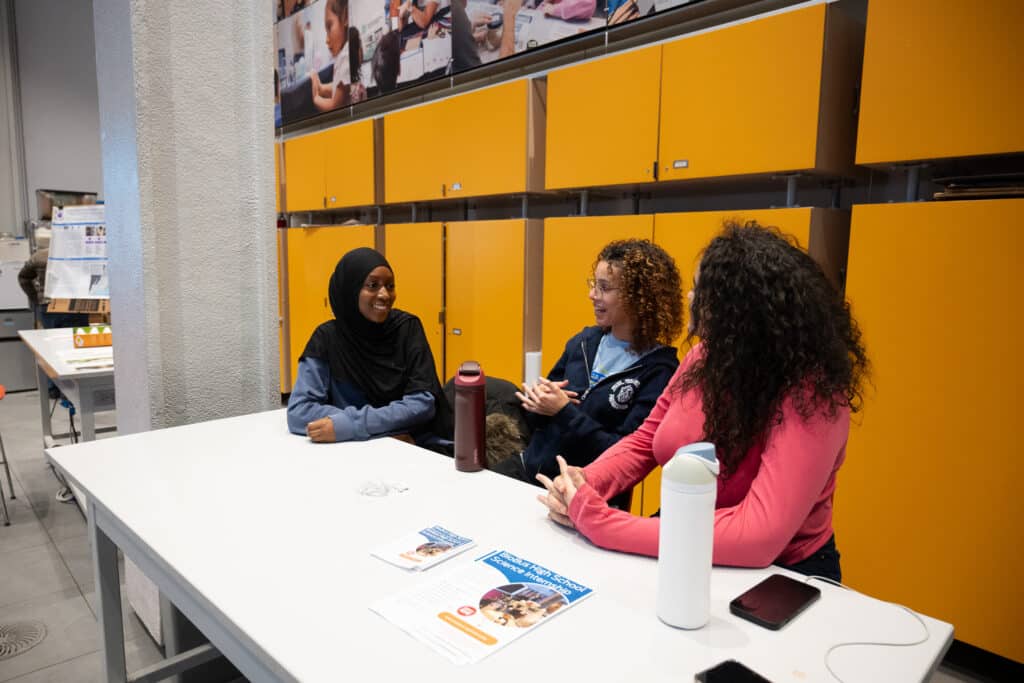
One of the tables at the event featured students from the BioBus High School Science Internship discussing their experience in the program. Participants in the Junior Scientist Internships receive mentorship from research scientists while developing independent projects and co-teaching BioBus programs for younger students. The program offers paid, hands-on research and lab experience for high school and college students in New York City. CSML Images//Fanuel Muindi//Feb 4, 2026
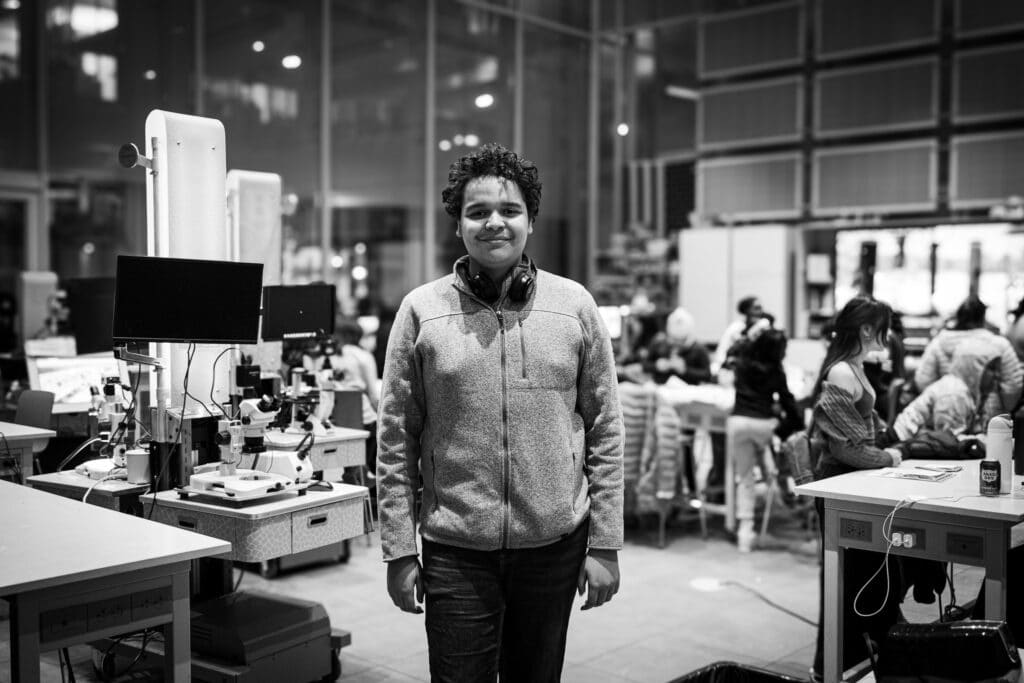
I met Harvey, a student in the BioBus Junior Scientist program, who has participated in BioBus programs from an early age. He said he is interested in pursuing engineering. CSML Images//Fanuel Muindi//Feb 4, 2026
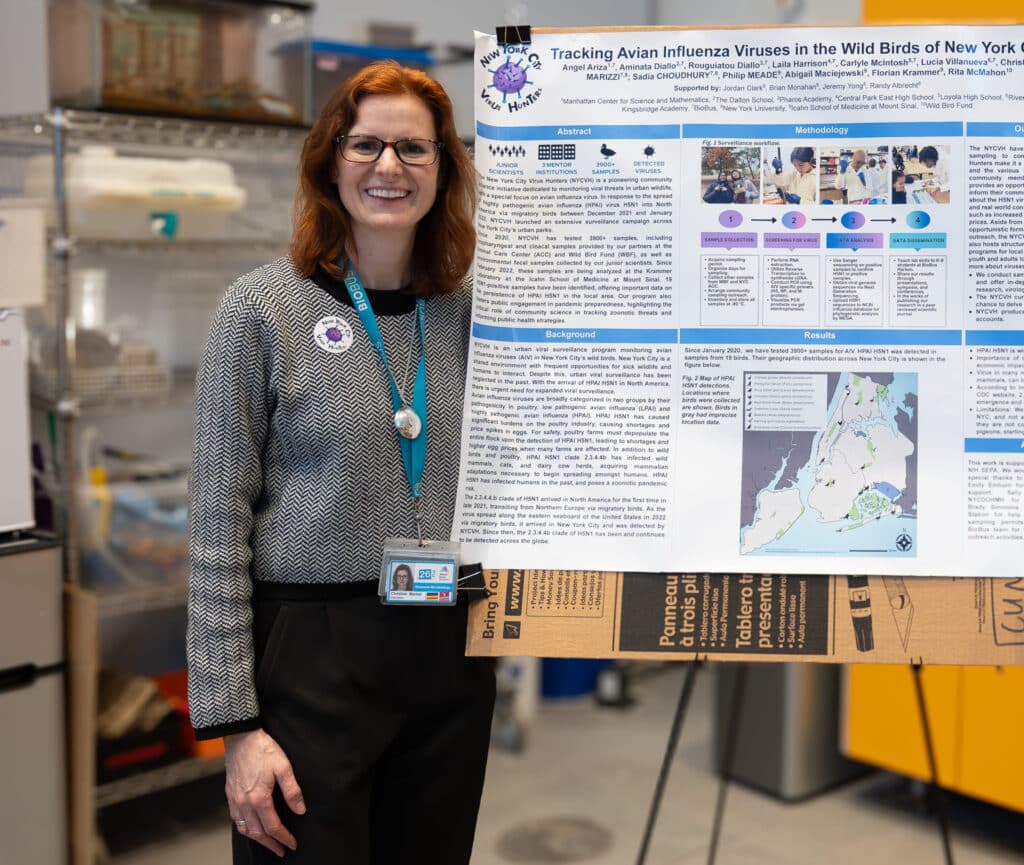
Christine Marizzi, Director of Community Science at BioBus, described the meaning of impact by noting that it goes beyond measuring knowledge in the classic sense, and that the goal is for participants to develop “an appreciation about science… [and] understanding a little bit about the world.” She added that the work is grounded in hands-on learning, where “you can have a conversation when you’re doing everything hands on,” and that long-term impact is reflected when participants “stay in touch and have an appreciation about science.” Framing the broader mission, she told me that “everybody needs to be able to participate in scientific and artistic endeavors… and benefit from the fruits of both.”
Fanuel Muindi is a former neuroscientist turned civic science ethnographer. He is a professor of the practice in the Department of Communication Studies within the College of Arts, Media, and Design at Northeastern University, where he leads the Civic Science Media Lab. Dr. Muindi received his Bachelor’s degree in Biology and PhD in Organismal Biology from Morehouse College and Stanford University, respectively. He completed his postdoctoral training at MIT.





After School Science: Wild New York City — BioBase Harlem in pictures

SciArt community reflections spark a desire for Third Spaces

Dear Colleagues: This is why science communication needs visuals

In Michigan, a citizen science project tracking salamander migration is bringing a community together and building a dataset

“Science is something that we do together.” Benjamin Richards on how OceanEyes collaborates with citizen scientists to monitor deepwater fish in Hawai’i

Dear Colleagues: Participate in a survey on barriers researchers face when communicating with non-expert audiences

Research!America selects 17 grantees from 132 applicants for the 2026 Civic Engagement Microgrant cohort
“Science is something that we do together.” Benjamin Richards on how OceanEyes collaborates with citizen scientists to monitor deepwater fish in Hawai’i
In Michigan, a citizen science project tracking salamander migration is bringing a community together and building a dataset
Dear Colleagues: This is why science communication needs visuals
“Science is something that we do together.” Benjamin Richards on how OceanEyes collaborates with citizen scientists to monitor deepwater fish in Hawai’i

Melanie Brown: “If you listen, people want to share things that are important to them.”

Abby C. King on leveraging local wisdom and science to create a thriving environment: “Our communities are the most valuable renewable resources for a healthy planet.”

Milky Way Project co-creator Grace Wolf-Chase says public engagement is ‘every bit as important as excellent scientific research’

Seeing is believing: Inside the BioBus revenue engine with Ben Dubin-Thaler
Contact
Menu
Designed with WordPress