
Civic Science Observer
Dear Colleagues: Help us build the Atlas Projects by celebrating the stories of underrepresented scientists
Dear Colleagues,
Science is a public good, and it is strongest when the people who engage in the scientific process reflect the communities it is meant to serve. However, the American scientific workforce still does not reflect the diversity of our country, and the stories we tell about who “belongs” in science often fall short.
Representation in science is not just about demographics–it is about whose voices are heard, whose experiences are valued, and who has a seat at the decision-making table. It shapes who is cited, who is funded, who is trusted, and who is remembered. When emerging scientists don’t see anyone like them in the field, they are more likely to feel isolated or to leave science entirely.
To address this gap and celebrate the brilliance of underrepresented scientists, I’ve been co-leading a growing series of collaborative initiatives called the Atlas Projects.
So far, these include:
- The Atlas of Inspiring Hispanic/Latinx Scientists, launched during Hispanic Heritage Month 2024 with Fred Hutch Cancer Center
- The Atlas of Inspiring Latin American Scientists, launching soon in partnership with Science For Good
- The Index of Inspiring Black Scientists, launching soon in partnership with Wiley Publishing Group
- The Atlas of Inspiring Indigenous Scientists, currently in development
Each Atlas is grounded in the idea that you can’t be what you can’t see. By making inclusive excellence in science visible, we help disrupt stereotypes, inspire the next generation of scientists, and build a stronger, more equitable research community. These Atlases are designed not only to showcase individual achievements but also to serve as a practical tool for educators, institutions, and funders working to build a diverse and inclusive scientific workforce.
High school teachers can use them to highlight underrepresented scientists during cultural heritage months, aspiring scientists can discover potential mentors with shared lived experiences, and university leaders can use them to identify speakers, collaborators, or award nominees who reflect the full breadth of talent in STEM.
We need the help of the civic scientists community to make these efforts truly representative.
Here is how you can help us:
- Nominate a scientist for our current Atlases (links below)
- Share our flyers and nomination forms with your networks, departments, and institutions
Nomination Forms: Indigenous scientists Atlas | Black Scientists Atlas | Latin American Scientists Atlas | Hispanic/Latinx Atlas
Currently, nominations are focused on faculty scientists, but we are actively working to expand to non-academic researchers and early-career scientists in the near future. Our long-term goal is to grow these Atlases into open-access, evolving repositories that reflect the full range of talent, pathways, and identities in STEM.
Science belongs to everyone. Let’s ensure its future reflects the needs, values, and voices of our society.
Additional Readings
Human Narratives in Science: The Power of Storytelling – Muindi, Fanuel J. et al.Trends in Molecular Medicine, Volume 26, (2020) Issue 3, 249 – 251
Published by The Civic Science Observer (CSO), Dear Colleague Letters are guest essays that feature calls to action by stakeholders from across the civic science landscape. Please note that the opinions expressed in these letters are those of the authors and do not necessarily reflect the views of the Civic Science Media Lab and/or its partners. If you are interested in sharing your perspective, please email us at mlab@civicsciencemedia.org.
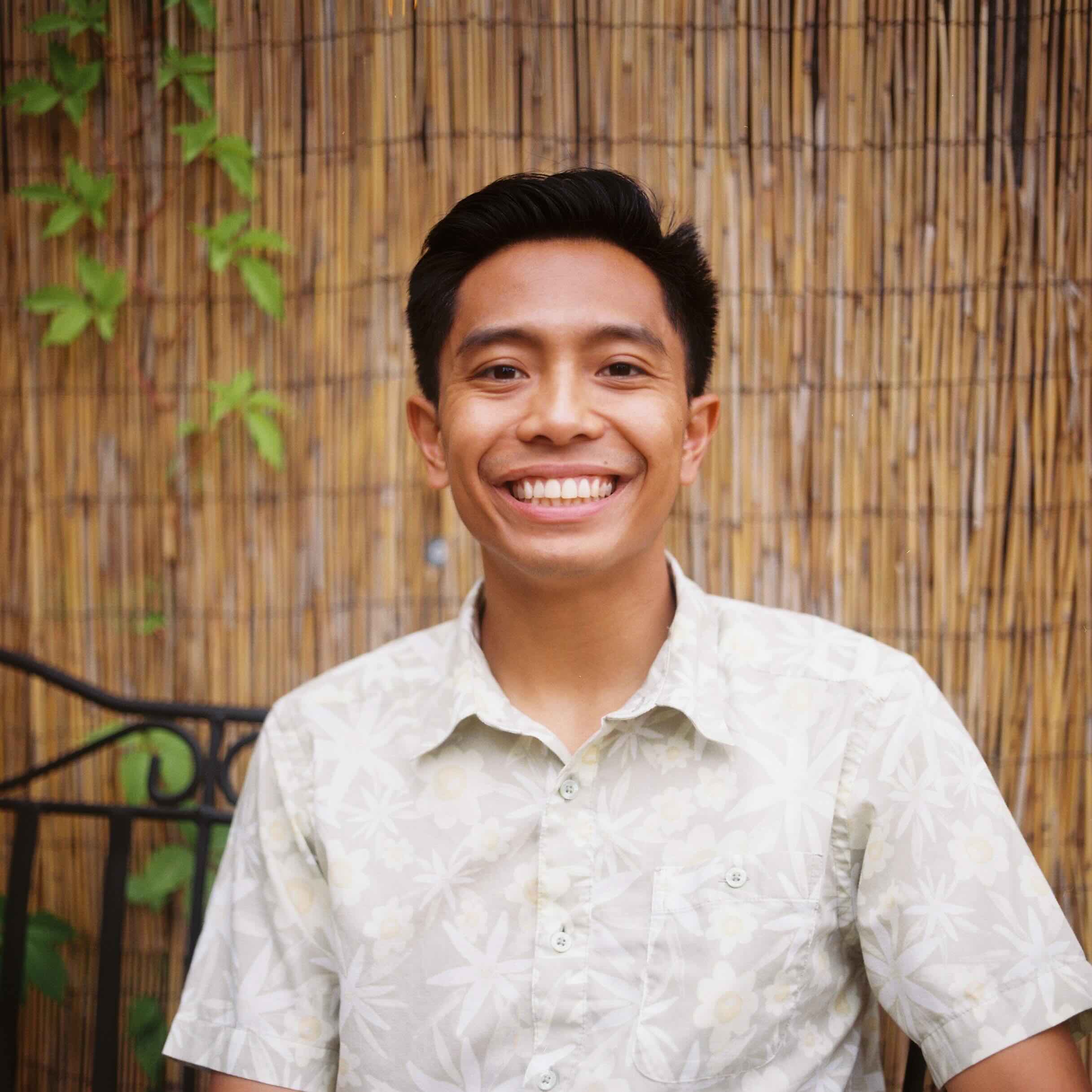
JP (he/him) is a 4th year PhD candidate in Bioinformatics & Computational Biology at UNC Chapel Hill studying 3D chromatin structure and gene regulation and pursuing a Graduate Certificate in Innovation for the Public Good. Originally from Los Angeles, CA, he is a HHMI Gilliam Fellow, an AIBS Emerging Public Policy Fellow, an ASHG Human Genetics Scholar Initiative awardee, and a UCLA CDLS Early Career Fellow. He is the Founder and Host of the From where does it STEM? podcast, and co-founder of Science For Good. He is passionate about bridging science and society and empowering others, especially those from minoritized and marginalized backgrounds.





Dear Colleagues: This is why science communication needs visuals

In Michigan, a citizen science project tracking salamander migration is bringing a community together and building a dataset

“Science is something that we do together.” Benjamin Richards on how OceanEyes collaborates with citizen scientists to monitor deepwater fish in Hawai’i

Dear Colleagues: Participate in a survey on barriers researchers face when communicating with non-expert audiences

Research!America selects 17 grantees from 132 applicants for the 2026 Civic Engagement Microgrant cohort
Dear Colleagues: Participate in a survey on barriers researchers face when communicating with non-expert audiences

Scott Loarie says conservation science isn’t moving fast enough. He describes how iNaturalist is helping

Photo Essay: 2026 Stand Up for Science New York City

MA3 Challenge awards grants to six universities to modernize promotion and tenure processes: Here’s the question of the day.
Research!America selects 17 grantees from 132 applicants for the 2026 Civic Engagement Microgrant cohort
“Science is something that we do together.” Benjamin Richards on how OceanEyes collaborates with citizen scientists to monitor deepwater fish in Hawai’i

Melanie Brown: “If you listen, people want to share things that are important to them.”

Abby C. King on leveraging local wisdom and science to create a thriving environment: “Our communities are the most valuable renewable resources for a healthy planet.”

Milky Way Project co-creator Grace Wolf-Chase says public engagement is ‘every bit as important as excellent scientific research’

Seeing is believing: Inside the BioBus revenue engine with Ben Dubin-Thaler
Contact
Menu
Designed with WordPress