




Diverse initiatives spanning policy, education, and community-engaged research are emerging in neurotechnology, underscoring the importance of continued characterization.



The sentiment and general outlook are pessimistic about the availability of funding for civic science work.



When Kacie asked what advice Gray would give entrepreneurs who want to launch new science engagement initiatives, Gray grounded her answer in practical experience.



The term “art interventions” was mentioned recently by Mézu Ofoegbu, artist, technologist, and founder of Infinity Village Lab, during a conversation with Kacie Luaders on CivicSciTV Radio’s Consider This Next.



The term “ripple metrics” was mentioned recently by Stephanie Fine Sasse during a conversation on the Questions of the Day program. Can you share stories of 'ripple metrics from your...



Cliff Cook: "One day, a bird just captures your attention in a way that it has never captured your attention before. And that gets you interested...



This paper introduces the concept of math trails — guided walks designed to engage students in actively observing and reasoning about mathematical concepts in everyday life.

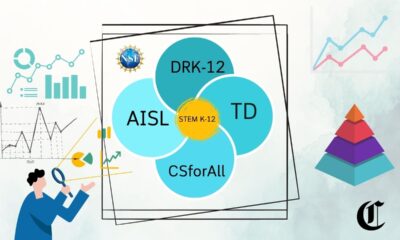

What’s new: The National Science Foundation has archived its long-running Advancing Informal STEM Learning (AISL) program, which was a major source of funding for informal science, science communication, citizen...



What would it take for research universities and institutions to treat public engagement as central to research rather than an afterthought? That was the challenge posed...
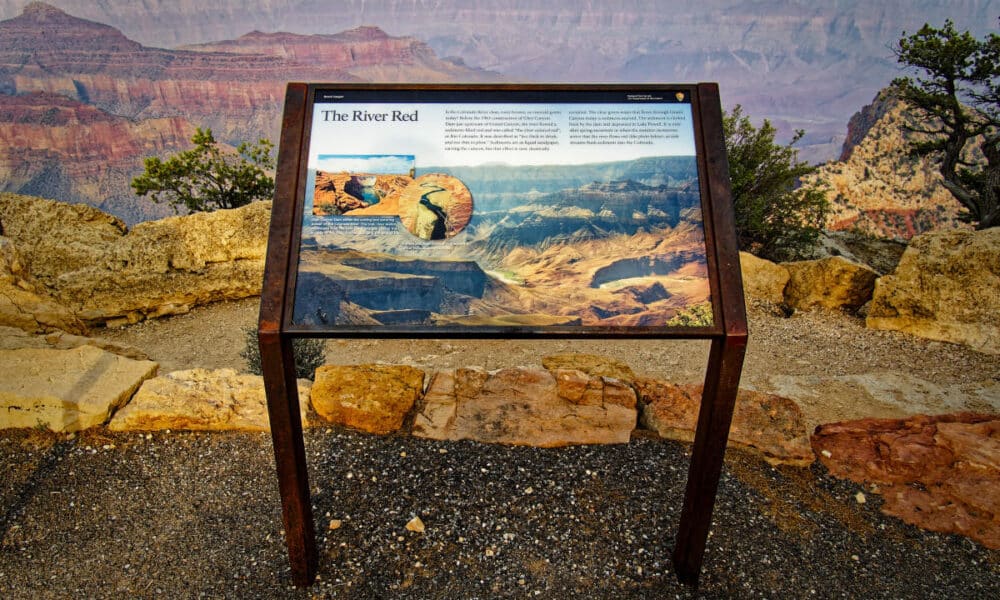


This paper presents the first known study that analyzed the language content of interpretive signs of U.S. national parks. It has identified, among other takeaways, an...



Designed with WordPress


